
Nonprofit rehab programs in Nevada fill a gap that private treatment was never designed to close. If cost or lack of insurance has kept you from seeking help, these programs exist specifically for that situation, and understanding how they work can change what you think is possible.
What Nonprofit Rehab Programs in Nevada Are
A nonprofit rehab program is a treatment organization legally structured to reinvest all revenue back into its services rather than distributing profit to shareholders or owners. Funding comes from a combination of government grants, private donations, and state contracts, which is exactly what allows these programs to serve people who cannot pay market rates for care.
In Nevada, that structural distinction is not just administrative. It directly determines who gets a bed, who receives a clinical assessment, and whether treatment duration is driven by a patient’s needs or an insurance company’s authorization limits. Some nonprofit providers, including 501(c)(3) organizations operating in the Las Vegas metro area, explicitly do not allow insurance benefit exhaustion to end someone’s care, which is a direct departure from how most for-profit treatment operates.
How the Nonprofit Model Differs From For-Profit Treatment
For-profit treatment centers answer to investors. That creates pressure to maximize billable services and discharge patients when their coverage runs out, regardless of clinical readiness. Nonprofit programs face a different set of pressures: grant compliance, community accountability, and the obligation to demonstrate measurable outcomes to funders who prioritize public health over margin.
In practice, the difference shows up in sliding-scale fees, peer support staffing, and services that don’t generate direct revenue but still get funded because they improve outcomes. According to SAMHSA’s 2022 National Survey on Drug Use and Health, roughly 20 million Americans needed substance use treatment but did not receive it, and cost was the most commonly cited barrier. In Nevada specifically, that access gap is not theoretical. It is the daily reality for tens of thousands of people.
The State of Substance Use and Addiction in Nevada
Nevada consistently ranks among the states with the highest drug overdose mortality rates. According to the Nevada Division of Public and Behavioral Health, the state recorded over 900 drug overdose deaths in 2022 alone, a rate significantly above the national average. For someone searching for help right now, that number represents real pressure on an already strained treatment system.
What it means practically: demand for treatment in Nevada exceeds available capacity, and the gap is sharpest in publicly funded programs where waitlists can form quickly. Getting into the system early matters.
Why Underserved Populations Face the Highest Barriers
A 2021 report from the Substance Abuse and Mental Health Services Administration on treatment access among people experiencing homelessness found that uninsured status, housing instability, and untreated mental health conditions compound each other in ways that individually manageable barriers do not. In urban Nevada, where the Las Vegas metro area has one of the highest rates of unsheltered homelessness in the country, this is not an edge case.
The mechanism is straightforward: without stable housing, you cannot reliably attend outpatient appointments, store medications safely, or maintain the daily structure that sustained recovery requires. That is why addiction treatment for people experiencing homelessness in Las Vegas looks different from standard clinical models. Effective nonprofit programs account for this by integrating shelter access, housing navigation, and recovery services into a single entry point rather than treating them as separate problems.
What Nonprofit Rehab Programs in Nevada Actually Offer
The service range across Nevada’s nonprofit treatment providers is broader than most people expect. Beyond detox and residential care, these programs typically include outpatient treatment, mental health services, peer support, and housing assistance, often coordinated through a single intake process rather than requiring you to navigate multiple systems independently.
Detox and Residential Treatment
Medically supervised detox is the starting point for many people entering treatment for opioid, alcohol, or benzodiazepine dependence, where withdrawal carries genuine medical risk. Nevada nonprofit programs that hold state-funded contracts through SAPTA (Substance Abuse Prevention and Treatment Agency) can provide detox and short- or long-term residential treatment at low or no cost to eligible individuals.
When you call a nonprofit program, expect to be asked about insurance status, income, and current living situation during the intake screening. That information determines eligibility for state-funded slots, not whether you deserve care. If you are in acute crisis, say so directly and ask for a same-day assessment.
Outpatient and Intensive Outpatient Programs (IOP)
Not everyone needs residential care, and outpatient treatment makes it possible to continue working, maintaining housing, or caring for family while receiving structured clinical support. Intensive outpatient programs typically involve nine or more hours of treatment per week across three to five days, combining group therapy, individual counseling, and skills-based sessions.
A 2020 study published in the Journal of Substance Abuse Treatment found that IOP completion rates for employed adults were comparable to residential outcomes when housing was stable. What this means in practice: if you have a place to live and a reason to maintain your daily schedule, outpatient treatment is a clinically sound option, not a lesser one.
Mental Health and Co-Occurring Disorder Services
Co-occurring disorders, where a substance use disorder exists alongside depression, PTSD, anxiety, or another psychiatric condition, are the rule in treatment populations, not the exception. According to a 2022 SAMHSA report, 17 million adults in the U.S. had both a substance use disorder and a mental illness in the previous year. In populations experiencing homelessness or housing instability, that number is proportionally higher.
Effective nonprofit programs in Nevada integrate psychiatric evaluation and mental health treatment directly into addiction care rather than referring patients elsewhere. If the program you are considering does not offer behavioral health services alongside addiction treatment, ask specifically how co-occurring disorders are handled before committing to intake.
Homelessness and Recovery Housing Support
Transitional housing and sober living options are among the most consequential services a nonprofit rehab program can offer, because housing stability is one of the strongest predictors of long-term recovery. A 2019 study in the American Journal of Public Health found that people in stable recovery housing were significantly less likely to relapse or return to emergency services within 12 months compared to those discharged to unstable environments.
Some Nevada nonprofit programs coordinate shelter intake with same-day treatment referrals, eliminating the gap between recognizing a need and accessing care. If you are currently unhoused, lead with that when you call. It changes the triage process in your favor.
Who Qualifies for No-Cost or Low-Cost Nonprofit Rehab in Nevada
Eligibility for no-cost or reduced-cost treatment in Nevada runs through several actual funding mechanisms. Nevada Medicaid covers a broad range of substance use disorder services for eligible adults, and understanding what Medicaid covers for addiction treatment in Las Vegas is a direct starting point for anyone currently enrolled or potentially eligible. SAPTA state block grant funding covers treatment for uninsured and underinsured individuals who meet income and residency criteria. Sliding-scale fees adjust your cost based on documented income. Charity care applies when other funding sources are exhausted.
The authority on eligibility is the Nevada Division of Public and Behavioral Health, and SAMHSA’s treatment locator can confirm which local programs carry state funding. The single most useful first action is to call 2-1-1 Nevada, ask specifically for SAPTA-funded or nonprofit treatment providers, and request an intake appointment. One call starts the process. For more detail on accessing treatment when income is the barrier, that resource walks through the full picture.
How Nevada Nonprofit Programs Use an Evidence-Based Approach
“Evidence-based” means the treatment methods have documented outcomes in peer-reviewed research, not that the program follows a philosophy or a branded system. According to SAMHSA’s Treatment Improvement Protocol 63, published in 2020, programs that combine medication-assisted treatment, cognitive behavioral therapy, and peer support produce measurably better retention and long-term recovery rates than single-modality approaches.
The practical translation: when a program describes itself as evidence-based, ask which specific methods they use and what outcomes they track. That question separates programs with real accountability from ones using the term loosely.
Medication-Assisted Treatment (MAT) in Nonprofit Settings
MAT, which includes buprenorphine, naltrexone, and methadone, is a first-line treatment for opioid use disorder, not a substitute addiction or a shortcut. SAMHSA TIP 63 documents that patients receiving MAT are significantly more likely to remain in treatment, avoid overdose, and achieve long-term abstinence than those receiving counseling alone.
Some Nevada nonprofit programs offer MAT on-site or through coordinated prescribers as part of a full treatment package. If MAT is clinically appropriate for your situation, confirm before intake whether the program prescribes it directly or requires an outside referral, because the difference affects continuity of care.
Peer Support and Community Outreach
A certified peer recovery specialist is someone with lived experience of addiction and recovery who provides navigation, accountability, and connection within a clinical setting. This is not a supplementary role. A 2018 study in Psychiatric Services found that peer support services reduced emergency department utilization by 22% among individuals with co-occurring disorders over a 12-month period.
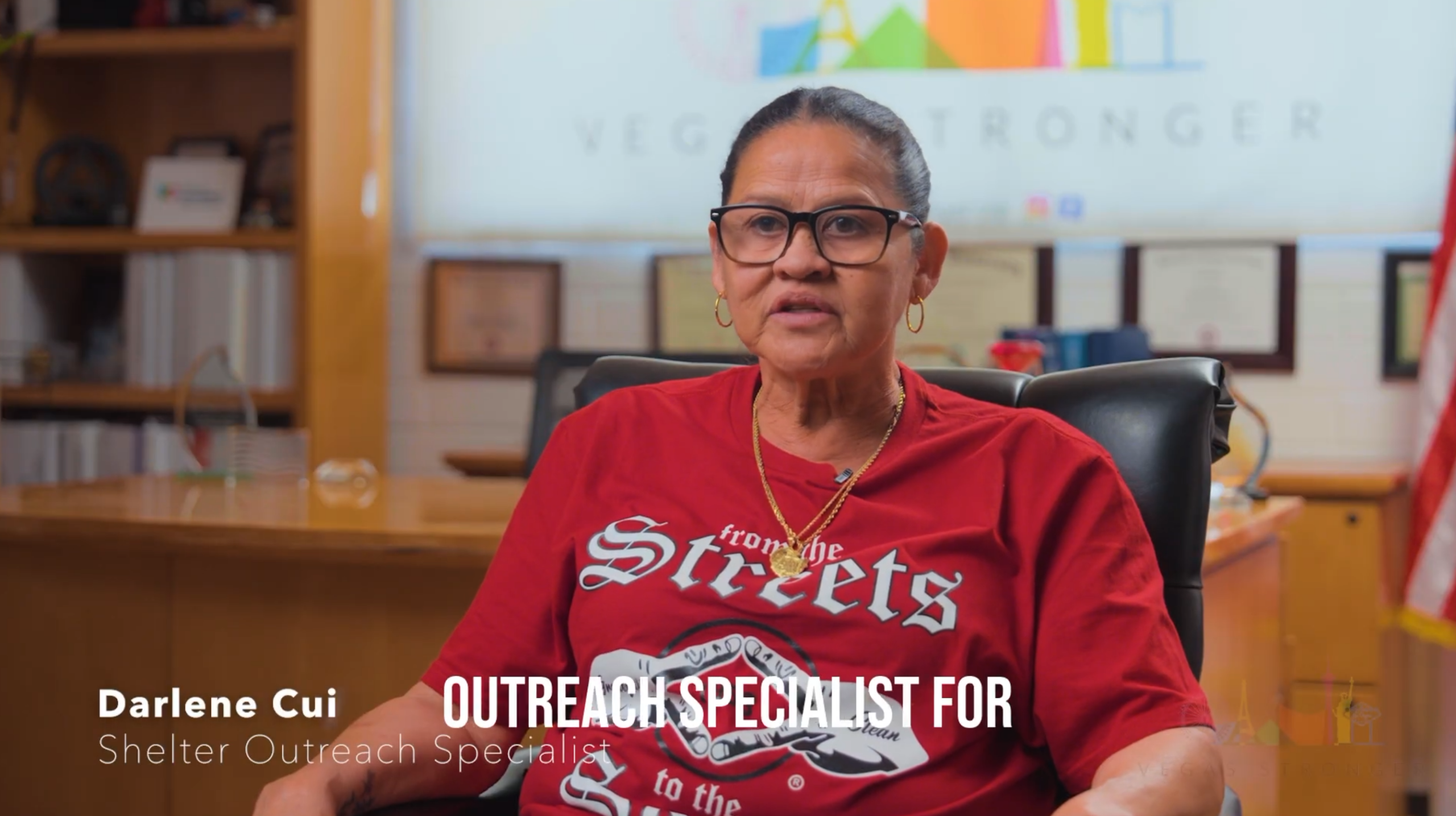
Nevada nonprofit programs, particularly those with mobile outreach components, use peer specialists to reach people who are not yet ready to walk through a clinic door. The Nevada Stronger initiative extends this model into rural Nevada and underserved Las Vegas neighborhoods, pairing community outreach with direct treatment access rather than referral-only models.
Making the Call
The access pathway is straightforward even when it feels complicated. Call 2-1-1 Nevada, identify yourself as needing substance use treatment, ask for SAPTA-funded or nonprofit options, and request the earliest available intake appointment. If you are in crisis, say that specifically. Same-day assessments exist for that reason.
Finding out what publicly funded treatment actually covers before you call gives you better questions to ask and a clearer sense of what to expect. Quality clinical care in Nevada is not reserved for people with private insurance or disposable income. Nonprofit programs exist to make that true in practice, not just in principle. Make the call this week.