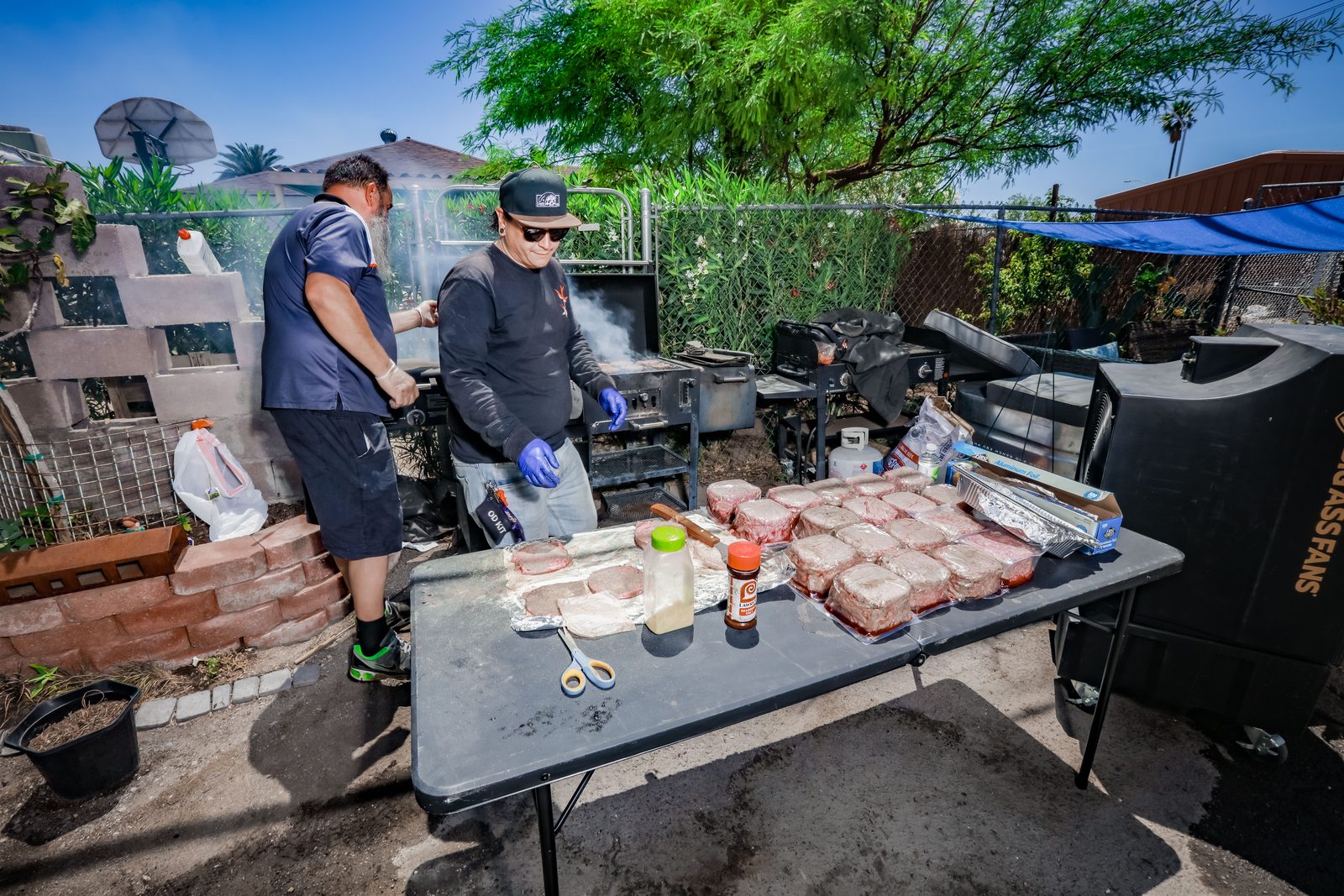
In Clark County, an estimated 6,000 to 8,000 people experience homelessness on any given night, and according to the 2023 Nevada Homeless Census, more than half report a substance use disorder as either a contributing cause or active condition. Addiction treatment for homeless individuals in Las Vegas exists, it works, and it is accessible without insurance or stable housing. What follows is a clear breakdown of how it actually functions, which programs serve this population, and what steps lead to real care.
What Addiction Treatment for Homeless People in Las Vegas Actually Looks Like
Standard rehab pathways assume things that unhoused people often do not have: a mailing address for program correspondence, an insurance card, transportation to appointments, a phone for scheduling follow-ups, and a safe place to sleep while attending outpatient sessions. When those assumptions fail, most conventional programs quietly disenroll people or never intake them to begin with.
The programs that actually serve homeless individuals in Las Vegas are built differently from the ground up. They absorb the intake process itself, meeting people at encampments, shelters, and drop-in centers rather than waiting for self-referrals. They accept Medicaid as full payment and do not cap treatment duration based on what insurance will authorize. Several operate without any cost to the person receiving care. The clinical quality in these programs is not a compromise, it is the deliberate structure of providers who understood from the start who they were building for.
Why Homelessness and Addiction Are Inseparable in Las Vegas
A 2020 SAMHSA report on people experiencing homelessness found that approximately 38% met criteria for alcohol use disorder and 26% for drug use disorder, with significant overlap. The relationship runs in both directions. Addiction accelerates housing loss through job loss, strained relationships, and legal consequences. Housing instability, in turn, drives substance use as a coping mechanism for trauma, exposure, and chronic stress.
What this means in practice is that treating addiction without addressing housing instability produces poor outcomes, and providing housing without addiction support produces equally poor ones. The programs in Las Vegas that achieve measurable recovery rates treat both simultaneously. If a program separates these two problems into sequential steps, requiring sobriety before shelter or housing before treatment enrollment, it is not designed for this population.
The Role of Co-Occurring Mental Health Conditions
A 2017 study by the National Alliance to End Homelessness, drawing on data from over 100,000 shelter entries, found that more than 30% of individuals experiencing chronic homelessness carried a dual diagnosis, meaning a substance use disorder alongside a co-occurring mental health condition such as PTSD, major depression, or bipolar disorder.
Co-occurring disorders, in plain terms, means that the addiction and the mental health condition feed each other. Treating only the substance use while leaving PTSD or severe depression unaddressed is like stabilizing one side of a sinking structure while the other side continues to give way. Any program worth committing to addresses both simultaneously, with a single care team rather than parallel systems that do not communicate.
How the Las Vegas Environment Raises the Stakes
Las Vegas operates a 24-hour economy built around alcohol, gambling, and nightlife, meaning the commercial infrastructure of addiction is denser here than in most American cities. A 2022 Clark County Community Health Needs Assessment identified extreme heat, limited accessible green space, and high concentrations of liquor and gaming establishments as compounding environmental risk factors for unhoused individuals specifically.
For people sleeping outside during a Las Vegas summer, extreme heat creates physical desperation that accelerates substance use as a coping mechanism. The nighttime economy creates constant proximity to alcohol and other substances regardless of neighborhood. These are not generic urban pressures. They are Las Vegas-specific conditions, and programs built here account for them explicitly. When evaluating a program, ask directly whether it has experience serving individuals dealing with heat exposure, outdoor living conditions, and the specific triggers of this city’s economy.
What Evidence-Based Treatment Looks Like for Unhoused Individuals
Evidence-based care means the treatment approach has been tested in clinical research, with measurable outcomes, on populations similar to yours. It does not mean complex or clinical in a way that feels inaccessible. A 2019 SAMHSA report comparing treatment models found that homeless individuals who received integrated, trauma-informed care, combining behavioral health treatment with case management and housing navigation, showed significantly higher 12-month sobriety rates than those in abstinence-only or shelter-only conditions.
The practical translation: evidence-based care for unhoused people looks like a clinical team that addresses addiction, mental health, housing, and social stability as connected problems in a single coordinated program. That structure exists in Las Vegas right now. It does not require private insurance or prior sobriety to access.
Medication-Assisted Treatment (MAT)
A 2020 NIDA review of MAT outcomes across 28 studies found that buprenorphine and methadone reduced opioid use by 50 to 70% and cut overdose mortality by as much as 59% among people with opioid use disorder. These are the strongest retention and survival numbers of any available intervention for opioid addiction.
MAT involves using FDA-approved medications, buprenorphine, naltrexone, or methadone, to reduce cravings and withdrawal symptoms while behavioral treatment addresses the underlying patterns. You do not need a home address to receive MAT in Las Vegas. Several outreach-based and community triage programs provide MAT on-site, making it one of the highest-impact and most accessible interventions available to unhoused individuals right now. If opioids are part of the picture, MAT is where to start the conversation.
Trauma-Informed and Culturally Responsive Care
A 2014 SAMHSA report on trauma among people experiencing homelessness found that over 90% of homeless adults had experienced at least one major traumatic event in their lifetime, with many carrying multiple unaddressed traumas. For this population, trauma is not background context. It is a primary clinical variable.
Trauma-informed care means the program’s staff approach every interaction with an understanding that past trauma shapes behavior, resistance, and engagement. It means staff do not use coercive language or punitive compliance structures. It means no one is shamed for a relapse or made to feel that their history disqualifies them from treatment. Before enrolling in any program, ask one direct question: are your staff trained in trauma-informed care? A program confident in its model will answer that without hesitation. One that struggles to answer it is telling you something important.
Homeless-Specific Recovery Programs in Las Vegas
The WestCare Nevada Las Vegas Community Triage Center operates as one of the primary entry points for unhoused individuals seeking behavioral health and substance use treatment in Clark County. It provides crisis stabilization, assessment, and referral services without requiring insurance at intake. According to WestCare Nevada’s published program data, its Las Vegas facilities collectively serve thousands of individuals annually across residential, outpatient, and transitional living services.
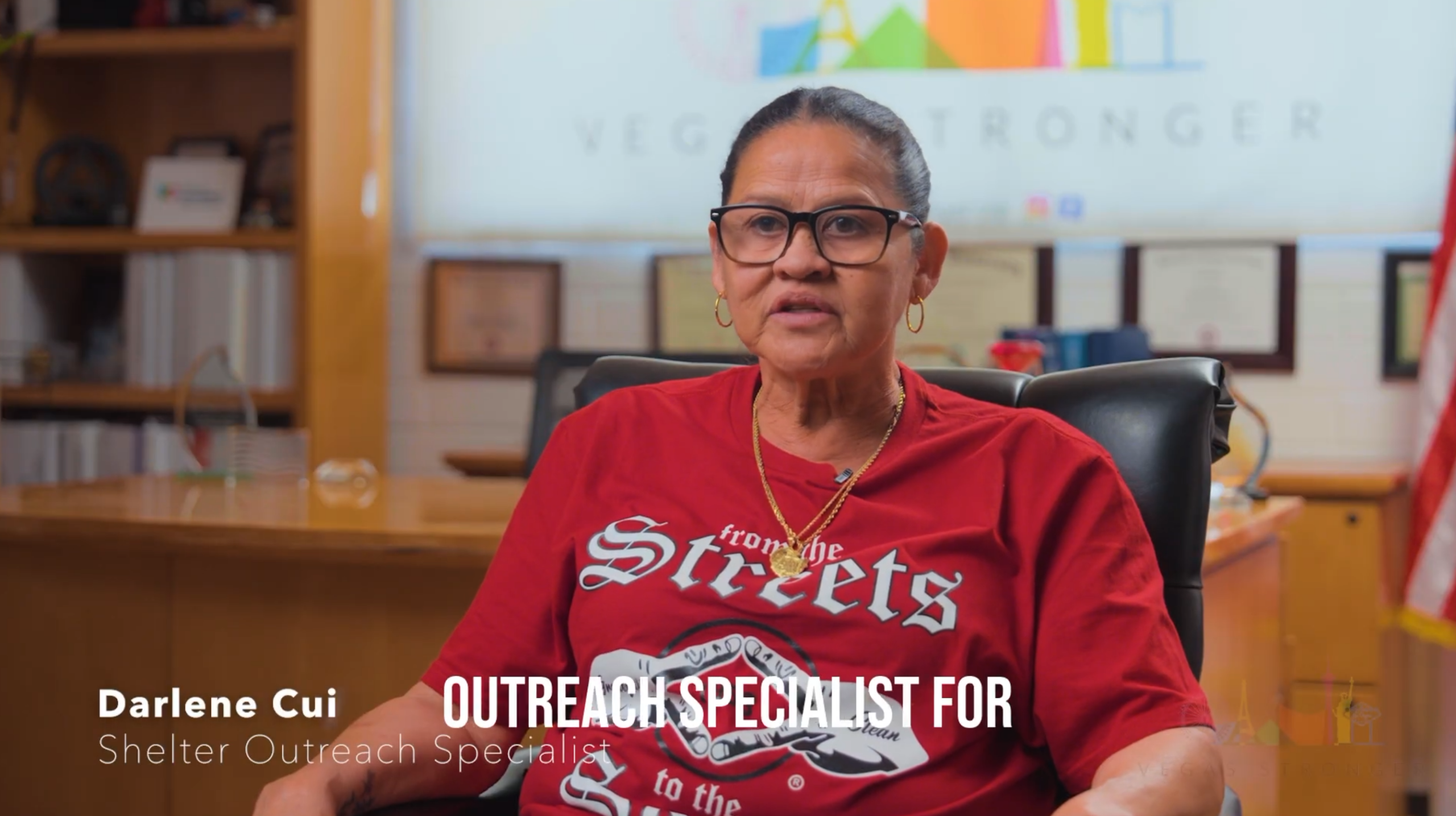
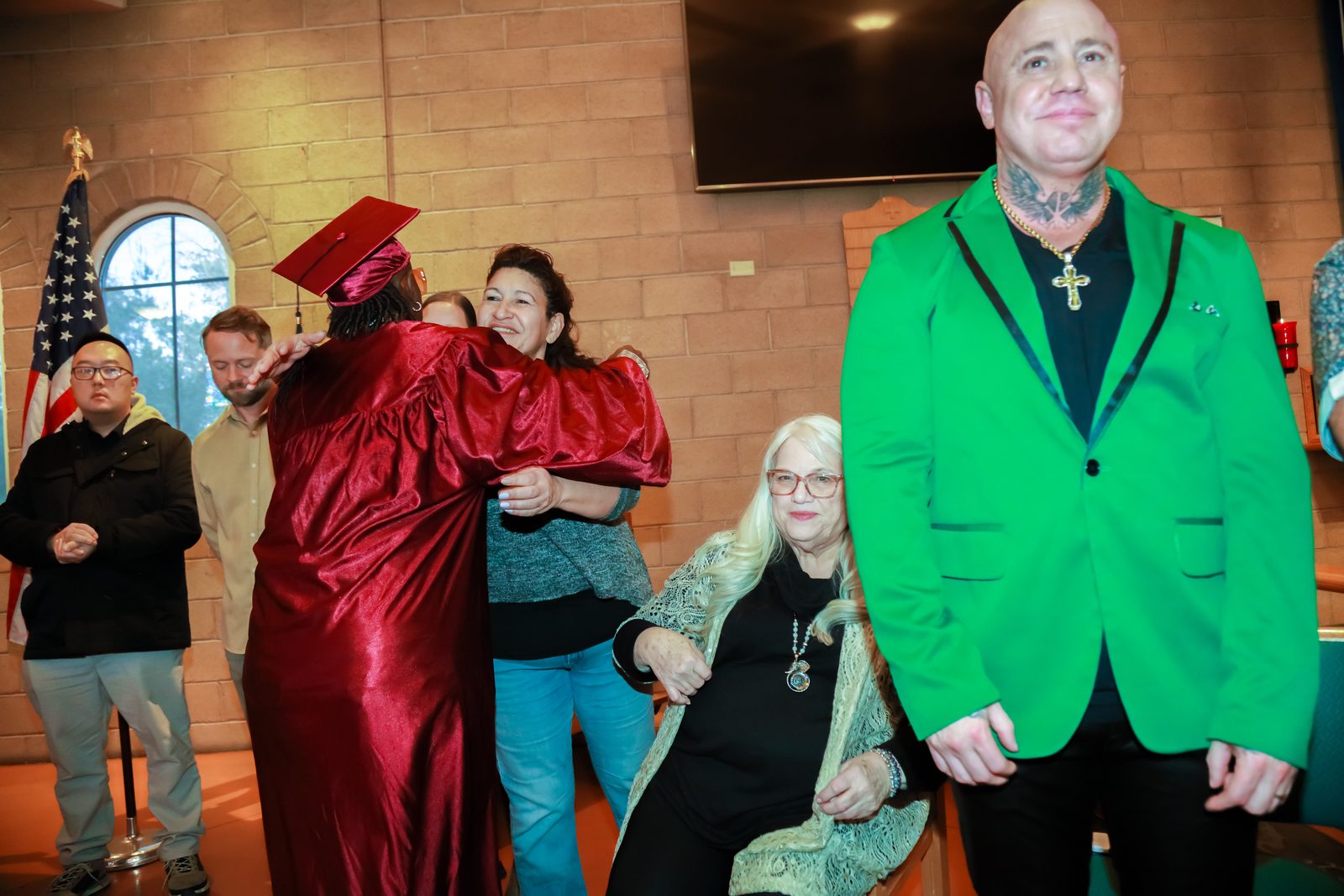
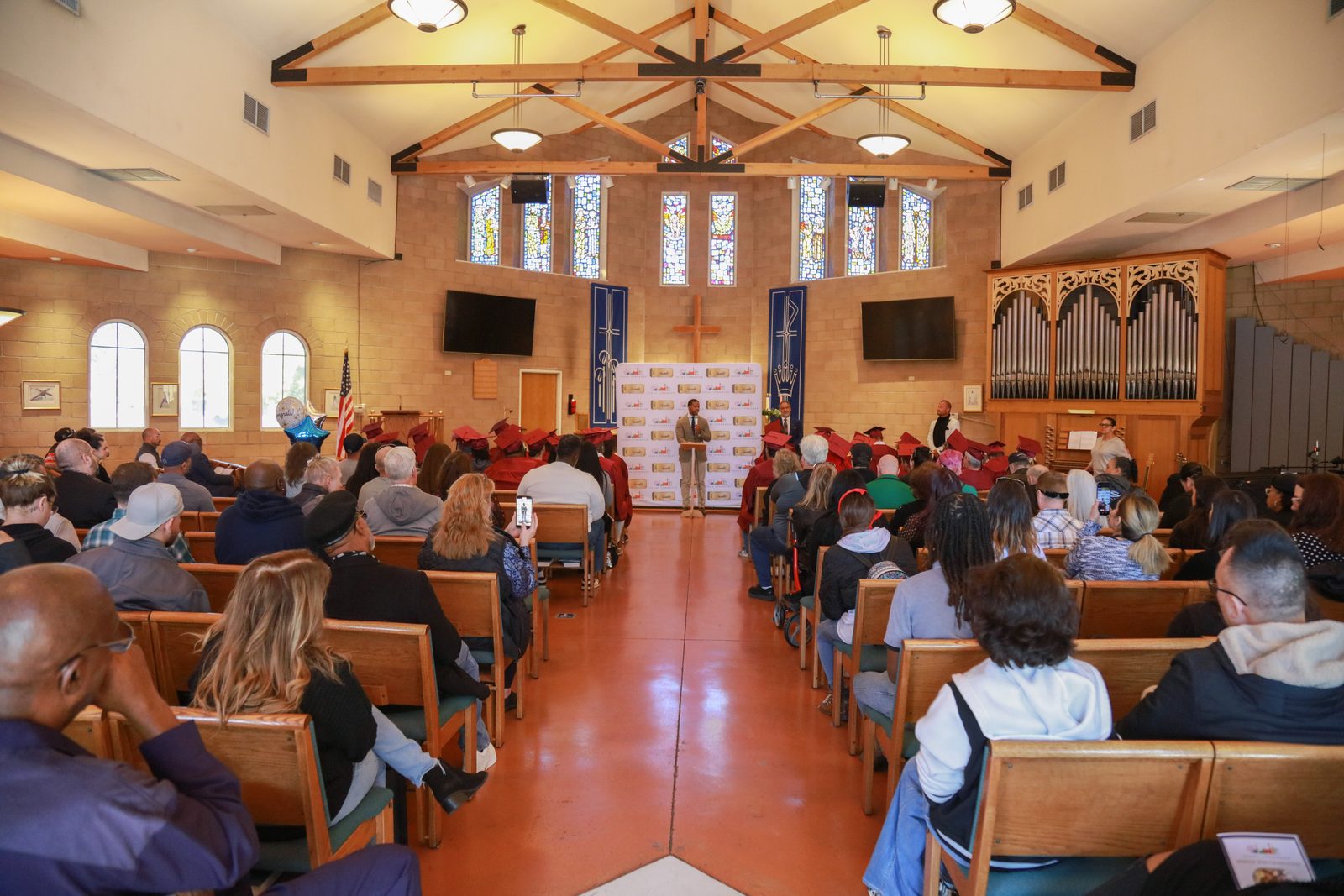
Vegas Stronger, a 501(c)(3) nonprofit, operates specifically to fill gaps left by programs that discontinue care when insurance benefits are exhausted. It accepts Medicaid and does not allow authorization limits to determine treatment duration, a direct structural contrast to both for-profit providers and many conventional nonprofits. Other local options include the Salvation Army Adult Rehabilitation Center and programs through HELP of Southern Nevada, which operates the Shannon West Homeless Youth Shelter among other services. For those interested in what nonprofit programs in Nevada cover and how they operate, the range of services is broader than most people realize.
Housing-Linked Recovery Services
The Housing First model treats stable housing as a precondition for sustained recovery rather than a reward to be earned after sobriety. A 2021 HUD-sponsored meta-analysis of Housing First programs across 11 U.S. cities found that participants showed a 40% improvement in 12-month housing stability compared to treatment-first models, and substance use outcomes were equivalent or better even without sobriety requirements at entry.
In Las Vegas, programs aligned with Housing First principles include transitional living facilities operated through WestCare Nevada and several county-funded transitional housing programs administered through the Clark County Social Service Department. The practical distinction matters when you are evaluating options: if a program requires documented sobriety before placing you in housing, it is not a Housing First program, and that requirement eliminates many people who need housing to stabilize before they can sustain recovery.
Community Outreach and Mobile Services
A 2018 study published in the Journal of Substance Abuse Treatment found that outreach-initiated treatment, where a worker makes first contact in the field, produced retention rates 34% higher at 6 months than facility-initiated intake for unhoused populations. The barrier of walking into a building cold is real, and removing it changes outcomes.
Vegas Stronger operates community outreach services that bring treatment access to encampments, shelters, and drop-in locations. HELP of Southern Nevada similarly deploys outreach workers across the Las Vegas valley. Outreach workers are an entry point, not a last resort. If showing up at a facility feels impossible right now, contacting an outreach team through Vegas Stronger or HELP of Southern Nevada is a direct and clinically supported alternative.
How to Pay for Addiction Treatment Without Stable Income or Insurance
Nevada expanded Medicaid under the Affordable Care Act, and as of 2023, the Kaiser Family Foundation reported that over 840,000 Nevadans were enrolled in Nevada Medicaid, formally called Nevada Check Up and Nevada Medicaid. Substance use treatment, including MAT, inpatient residential care, and outpatient counseling, is covered under this enrollment. SAMHSA block grant funding also flows through the Nevada Division of Public and Behavioral Health to underwrite treatment at no cost for individuals who do not qualify for Medicaid.
The core fact is this: you do not need private insurance or personal income to access clinical-grade addiction treatment in Las Vegas right now. For a detailed breakdown of what accessing care without financial resources actually involves, the options are specific and navigable.
Nevada Medicaid and SNAP-Eligible Programs
A 2022 KFF analysis of Medicaid expansion states found that uninsured adults in expansion states were 44% more likely to receive substance use treatment than those in non-expansion states. Nevada is an expansion state. If you are uninsured and below 138% of the federal poverty level, you qualify for Nevada Medicaid, which covers the full spectrum of addiction treatment services.
Medicaid enrollment does not require a home address in Nevada. Same-day enrollment is available at many Las Vegas treatment intake points, and several programs will assist with the application as part of the intake process. Understanding how Medicaid covers addiction treatment in Las Vegas is worth doing before intake, because it removes a major barrier before it has a chance to slow the process.
Free and Low-Cost Rehab Centers in Las Vegas
Several Las Vegas programs charge nothing at intake and operate at full clinical capacity. The Salvation Army Adult Rehabilitation Center provides residential recovery services at no cost. Vegas Stronger operates on a model that accepts Medicaid as full payment and does not bill beyond what Medicaid covers. County-funded community triage services through WestCare Nevada are similarly structured. The SAMHSA Treatment Locator and addictions.com both function as named, searchable resources for finding programs by location, payment type, and service type.
Free does not mean reduced clinical quality in this context. Several of Las Vegas’s highest-capacity programs charge nothing at intake precisely because they are funded through public sources and nonprofit structures designed to remove cost as a barrier. For a fuller picture of what publicly funded treatment programs cover and how they work, the structure is consistent and the care is real.
What to Do Right Now If You or Someone You Know Needs Help
The single most direct action available right now is to contact the Vegas Stronger outreach line or walk into the WestCare Nevada Las Vegas Community Triage Center at 3600 West Bonanza Road, Las Vegas, NV 89107. No appointment is required. No insurance card is required. Intake begins with an assessment, and the clinical team works from there.
If crisis support is needed immediately, the 988 Suicide and Crisis Lifeline, which covers mental health and substance use crises, is available by call or text. Nevada also operates its own Crisis Line through the Crisis Support Services of Nevada at 1-800-273-8255.
Getting sober without financial resources is not a different version of recovery with lower standards. It is recovery, accessed through a different financial structure. The pathway starts with one contact. Make it today.