
Expertise provided by Kandi Orozco, Billing / Utilization Review
You are searching for drug rehab near you, like Vegas Stronger, because someone needs help right now. Not in three weeks after insurance approves an intake appointment. Every facility you have called so far may have handed you an assessment date instead of saying come in today. You typed “drug rehab near me” into your phone because the person you love finally said yes, or finally scared you badly enough, and you already know that a yes can disappear as fast as it showed up.
That gap between “I’m ready” and “you can come in on the 14th” is where many families lose their chance. Your loved one agrees to get help on a Tuesday night, the soonest opening is weeks away, and by then the courage is gone, the using has picked back up, and you are back to lying awake and checking your phone. Vegas Stronger, a nonprofit at 916 N. Main Street in Las Vegas, works to close that gap. A person can walk in and begin the admission process the day they arrive, insurance authorization gets handled on the administrative side instead of at the front door, and treatment happens right here in Las Vegas, in the same community where your loved one will have to live their recovery.
This page gives you straight answers to the questions you are probably asking at the kitchen table or at 2 a.m.: what happens when you walk in, whether you have to pay, how long rehab takes, what a month costs, what insurance is accepted, and what kinds of programs exist in Las Vegas. It also shows you how to tell the difference between a program that may help and one that will simply take your money.
What Happens When You Stop Searching Drug Rehab Near Me and Walk Into Vegas Stronger Today?
At Vegas Stronger, your loved one can begin admission the moment they arrive, without an insurance authorization clearing first. The team assesses immediate needs, places them in the level of care that fits clinically, and works through the insurance requirements while help is already underway.
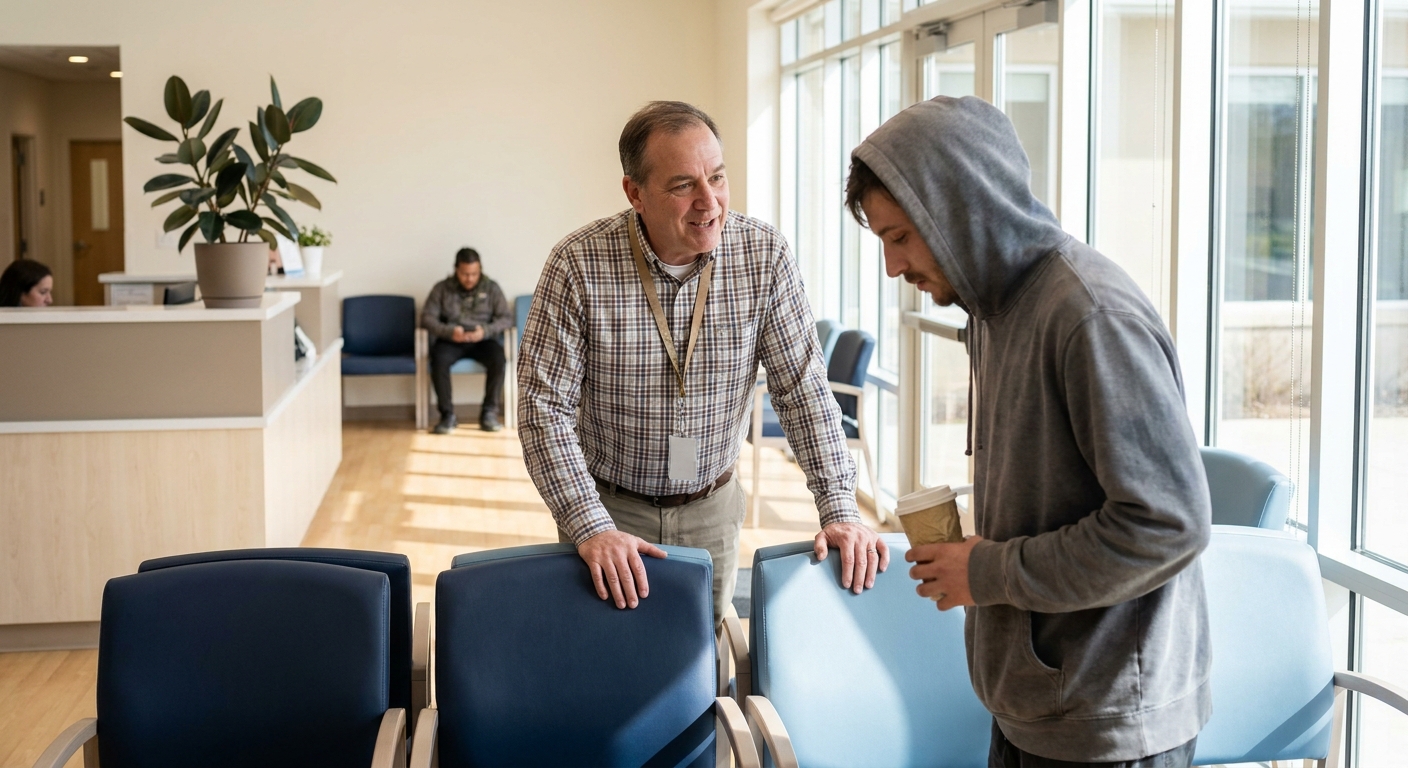
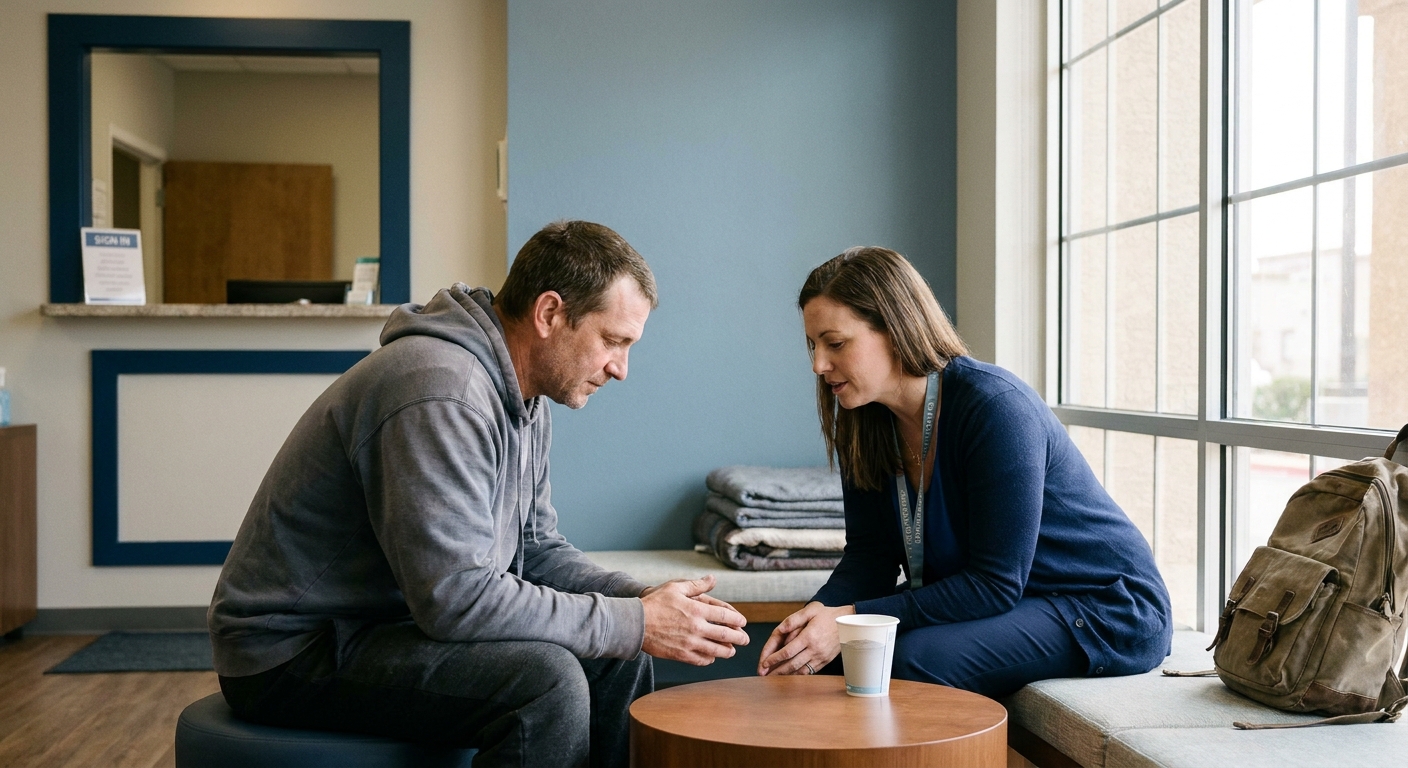
When you arrive at Vegas Stronger at 916 N. Main Street, the first conversation is about what your loved one needs right now: what they have been using, how recently, what is happening with their mental health, whether they are safe tonight, and what their life looks like outside of substance use. That assessment, not an open bed, decides where they start. Depending on clinical need, Vegas Stronger places a person into PHP (partial hospitalization), IOP (intensive outpatient), or OP (outpatient) substance use treatment.
Some people walk in needing medical withdrawal management before a programmed level of care is safe for them. Vegas Stronger does not provide detox on site, and it does not leave you to sort that out alone. When detox comes first, Vegas Stronger connects the person to a detox center or hospital where they can withdraw safely, and then they come back to Vegas Stronger to continue care, usually stepping into PHP. That return trip matters more than most families realize. The national Principles of Drug Addiction Treatment research guide describes medically assisted detox as only the first stage of treatment, one that may do little on its own to change long-term drug use for some individuals. Detox without a next step is how some people end up back where they started within days.
That same research guide stresses that treatment needs to be readily available, because people can be lost when help is not there the moment they are ready. Vegas Stronger built its intake around that idea: nobody is told to wait for help simply because an authorization has not come back yet. Verification and authorization still happen. They just happen behind the scenes instead of standing between your loved one and care.
Families often ask what to pack. Vegas Stronger runs PHP, IOP, and OP in a community-based setting rather than a traditional residential model, so your loved one attends structured treatment during the day and keeps living in the community. Bring insurance or Medicaid information if you have it, but a missing card should never be the reason you stay home. And if getting to treatment is the obstacle, tell the Vegas Stronger team. Vegas Stronger’s case management works with clients to identify barriers like transportation and connect them with community resources that can help.
Do You Have to Pay to Go to Rehab for Drugs?
You do not need the money figured out before you walk in. At Vegas Stronger, a person’s financial situation is not supposed to stop them from coming through the doors and asking for help. The first question is always what your loved one needs and which services can meet that need.
You may be worried that this is one more place that will take your money and hand you nothing in return. That fear makes sense. Families in crisis are easy targets. So here is how the money side works at Vegas Stronger, plainly. The team works with each client to identify insurance coverage, Medicaid eligibility, benefits, and other potential resources. Insurance verification, authorization requirements, deductibles, copayments, and coinsurance all move through the proper administrative process. Any specific funding, private-pay arrangement, or financial agreement is discussed individually, so you understand exactly what you are responsible for and what your options are.
If you are wondering what insurance Las Vegas rehab centers accept, the honest answer is that it varies from program to program, so always ask directly. Vegas Stronger accepts:
- Medicaid
- Aetna
- Blue Cross Blue Shield
- Cigna
- UnitedHealthcare
Accepting a plan is not the same as promising every service is paid in full. Each plan has its own rules, and verification is what tells you what your loved one’s specific coverage looks like. What matters in a crisis is that this checking happens while treatment begins, not before it.
When you are judging whether any program deserves your trust, look past the photos and the promises. Independent guidance like Harvard Health’s six keys to finding a high-quality addiction treatment center points families toward programs that use evidence-based therapies and offer medication where it fits. Ask every place you call how they handle someone who needs detox, how they handle mental health and trauma, what happens when things get hard, and who explains the bill. A program you can trust will answer those questions without changing the subject.
How Long Is Rehab for Drugs Usually?
There is no single answer, because the right length depends on clinical need and what insurance authorizes. Many people stay connected to some level of care for months, because recovery from a substance use disorder rarely fits inside a single month.
The research backs up taking your time. The Principles of Drug Addiction Treatment guide notes that research suggests individuals who remain in treatment for adequate periods of time may be more likely to achieve their recovery goals, and that staying in treatment long enough is critical. Three months is longer than a lot of families expect, and it is one reason a short, fixed program can appear to be helpful right up until the day it ends.
Vegas Stronger does not build care around a graduation date. Its PHP, IOP, and OP continuum lets treatment intensity shift as your loved one’s needs shift. Someone might begin with the structure of PHP, move into IOP as they stabilize, and later step down into OP as they become more independent. Because all three levels sit under one roof at Vegas Stronger, moving between them does not mean a new waitlist, a new intake, or a new team learning their history from scratch.
That flexibility works in both directions. Early recovery is uneven. A job loss, a court date, a family blowup, or a hard anniversary can shake someone who was doing well. Because intensity at Vegas Stronger follows clinical need, care can adjust when things get harder, not only when they get easier. The point is to keep your loved one engaged, not to measure them against a calendar.
How Much Is a Month of Drug Rehab?
The price of a month of outpatient drug rehab varies widely depending on how intensive the program is and what services are included. What your family actually owes depends on your specific plan, and for many people, insurance or Medicaid covers much of the cost.
Here is what the insurance words on your plan card mean. Your deductible is the amount you pay for covered care before your plan starts sharing the cost. A copay is a flat fee for a visit or a day of service. Coinsurance is the share of each covered bill you keep paying after you meet your deductible. Your out-of-pocket maximum is the most you would pay in a plan year for covered services. Where your family lands depends on how much of the deductible you have met and the terms of your plan, which is exactly what verification is for.
Medicaid works differently from commercial insurance, and costs for covered services depend on eligibility and the services involved. If your loved one is not sure whether they qualify, Vegas Stronger’s team helps determine Medicaid eligibility as part of getting them connected. Vegas Stronger focuses on serving underserved Las Vegas residents, including people who are unhoused or between jobs, so this step is often the difference between getting help and going without.
If you are wondering how people pay for rehab when they cannot cover the full cost upfront, these are the paths Vegas Stronger’s team works through with clients:
- Medicaid, for eligible residents
- Commercial insurance, including Aetna, Blue Cross Blue Shield, Cigna, and UnitedHealthcare
- Other benefits and resources the team helps identify
- Specific funding sources, discussed individually
- Private-pay arrangements or financial agreements, explained so you understand your responsibility and options
No one should guess at a number in the middle of a crisis. Walk in, start the assessment, and let verification give you real figures based on your loved one’s actual coverage.
Why Treatment in Las Vegas May Help Your Loved One Build Recovery Where They Actually Live
Cost and timing are only part of the picture. Where treatment happens matters too. At Vegas Stronger, recovery is built in the same city where your loved one will have to keep living it, so they learn new skills while facing their real life instead of learning them far away and coming home to everything at once.
A person can spend weeks or months in treatment hundreds of miles from home, but sooner or later they come back. The same family relationships, employment issues, housing concerns, triggers, legal obligations, transportation problems, and community pressures are usually still waiting. At Vegas Stronger, clients practice recovery while they navigate those exact situations. If your son’s trigger is a certain stretch of town, a certain group of friends, or a court date next month, he works through it with his team as it happens.
Vegas Stronger’s integrated approach also goes after what sits underneath substance use. The team addresses behavioral health, medical needs, housing, employment, family relationships, legal obligations, and other barriers that can derail long-term recovery. That includes mental health care and trauma-informed therapy for people living with trauma, PTSD, and other mental health conditions alongside addiction, because these can feed each other when only one gets treated. The research guide on effective treatment principles says treatment should attend to the whole person, not just their drug use.
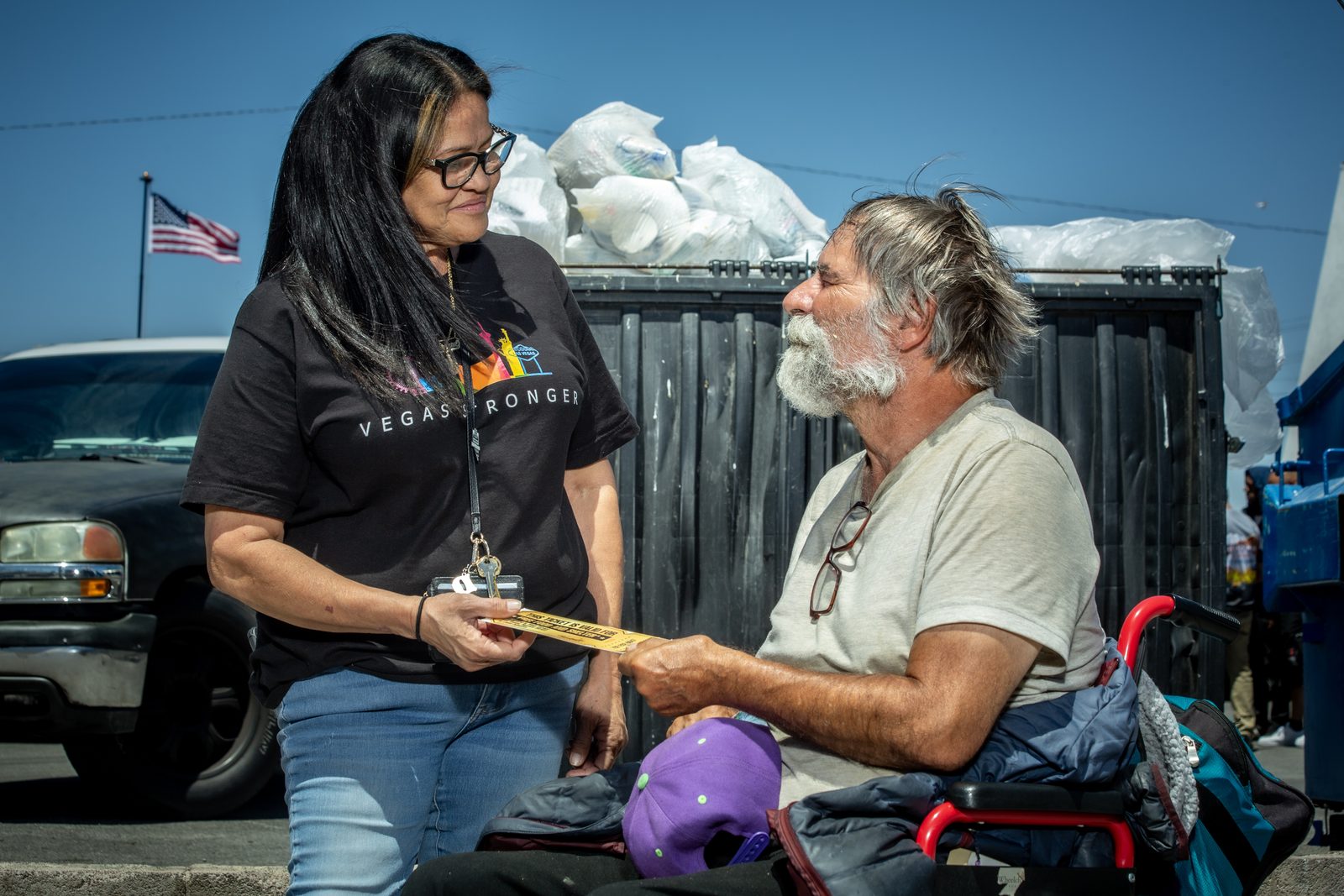
If your loved one has no safe or stable place to stay, that does not shut them out. Vegas Stronger is connected with numerous community partners and resources that can help clients establish safe temporary housing and cover other basic needs while they are in treatment. Nobody can focus on recovery while worrying about where they will sleep, how they will get to treatment, or whether their basic needs are met. Vegas Stronger does not require someone to have everything sorted before starting. The team meets people where they are and builds stability around them so they can stay engaged. That is what working to address the cycle of addiction and homelessness looks like day to day: comprehensive support, not a pamphlet and a referral.
The goal at Vegas Stronger is not just to get your loved one through a program. It is to help them build a sustainable life in recovery, right here in Las Vegas.
What Types of Rehab Programs Are Available in Las Vegas?
Las Vegas has a full range of addiction treatment, from medical detox to partial hospitalization, intensive outpatient, standard outpatient, medication assisted treatment, and supportive housing. Vegas Stronger provides PHP, IOP, OP, and medication assisted treatment, and connects people to detox and housing resources when they need them.
SAMHSA’s overview of treatment options lays out the range, from counseling and behavioral therapies to medications and different treatment settings. Here is how those levels of care break down:
- Detox (withdrawal management): Medically supported care to get safely through withdrawal. Vegas Stronger does not provide detox on site. It connects clients who need it to a detox center or hospital, then welcomes them back for continued care.
- PHP (partial hospitalization): The most structured outpatient level, with treatment most of the day on most weekdays and people going home or to their housing at night. At Vegas Stronger, PHP is the usual next step after detox.
- IOP (intensive outpatient): Fewer hours than PHP, built for people who are more stable but still need real structure.
- OP (outpatient): A lighter schedule that supports people as they become more independent and return to work, family, and daily routines.
- MAT (medication assisted treatment): FDA-approved medications combined with counseling and therapy. Vegas Stronger offers medication assisted treatment.
- Residential treatment: Live-in programs exist in and around Las Vegas. Vegas Stronger is community-based rather than residential.
- Sober living and supportive housing: Substance-free housing that gives people a stable place during recovery. Vegas Stronger works with community partners to help clients secure safe temporary housing.
The CDC describes substance use disorders as treatable, with medications and behavioral therapies both playing a role. That is why the specific level of care matters less than whether a program can adjust as your loved one changes. A program with only one level forces a choice every time needs shift: stay in care that no longer fits, or leave and start over somewhere else.
Vegas Stronger’s continuum avoids that trap. Your loved one is assessed on day one and placed where they need to be. As they stabilize, they can step down from PHP to IOP to OP, and if life gets harder, intensity can change again. Throughout, Vegas Stronger’s case management and trauma-informed, evidence-based care keep working on the mental health, trauma, housing, and practical barriers that tend to pull people back.
What Do Families Ask Before They Call Vegas Stronger?
Most families who search “drug rehab near me” have the same handful of questions: how fast their loved one can start, what happens if detox is needed, whether housing is required, and how payment works. Here are direct answers.
How soon can my loved one start treatment if we come in today?
At Vegas Stronger, admission begins as soon as someone walks in. There is no waiting on an insurance authorization first, because verification and authorization are handled administratively while help begins.
What if they need detox before starting rehab?
Vegas Stronger connects clients who need detoxification to a detox center or hospital so they can withdraw safely. Afterward, they return to Vegas Stronger for continued care in a programmed level of care such as PHP.
Can they start treatment without stable housing right now?
Yes. Lacking a safe or stable place to stay does not keep someone out of treatment at Vegas Stronger. The team works with community partners who can help establish safe temporary housing and meet other basic needs during treatment.
How do people pay for rehab if they cannot afford the full cost upfront?
Vegas Stronger helps clients identify insurance coverage, Medicaid eligibility, benefits, and other resources. Specific funding, private-pay arrangements, and financial agreements are discussed individually so you understand your responsibility and options.
What insurance does Vegas Stronger accept?
Vegas Stronger accepts Medicaid, Aetna, Blue Cross Blue Shield, Cigna, and UnitedHealthcare. Your specific benefits are confirmed through verification.
Why choose local Las Vegas treatment instead of going out of state?
Recovery built with Vegas Stronger where your loved one lives lets them practice new skills while dealing with real triggers, family, work, legal obligations, and housing, instead of returning after weeks away to face it all at once.
Your Next Step Does Not Have to Wait Until Next Week
The fastest way to get your loved one help is to come in. Vegas Stronger starts the admission process the day someone walks through the doors, with insurance handled alongside care instead of ahead of it.
You have probably spent a long time being told to wait: wait for an opening, wait for approval, wait for them to hit bottom. The research is clear that people can be lost when treatment is not available the moment they are ready. You do not need a housing plan, a final number on the bill, or a perfect answer about detox before you act. Vegas Stronger’s team is there to sort out those pieces with you.
Call Vegas Stronger at (702) 234-1356 to start the admission process today, or walk into 916 N. Main Street in Las Vegas. One practical tip: grab whatever insurance or Medicaid information you can find on your way out, and if you cannot find it, leave anyway. A missing card is a paperwork problem the Vegas Stronger team can work through. A missed yes is much harder to get back.
You Don’t Have to Decide Alone
If you’re weighing whether now is the right time, or if a program close to home in Las Vegas can truly make a difference, those questions matter. Vegas Stronger offers confidential consultations to help you understand your options without pressure or judgment. Speaking with someone who listens can bring clarity when you need it most.
- This article is for general information and is not medical advice.
- Treatment outcomes vary by individual, and no program can guarantee specific results.
- Insurance coverage and costs vary by plan and are confirmed through verification.
- If someone is in immediate danger or having a medical emergency, call 911.