Lowering recidivism is one of the hardest problems in behavioral health, and the people at the center of it are usually the ones everyone else has given up on. They cycle between the streets and the jail, and somewhere along the way they stop expecting anything different.
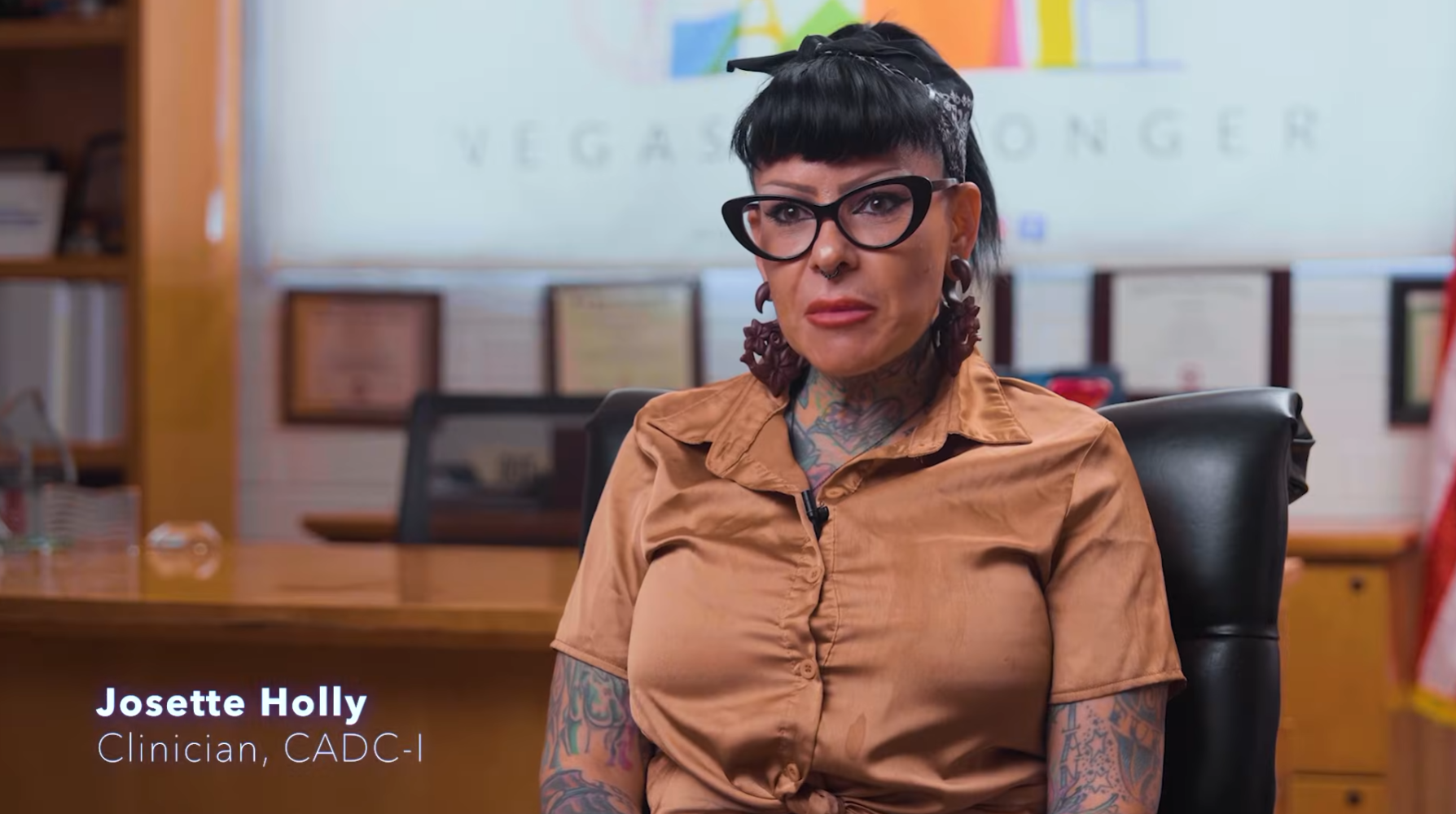
“You have these people who feel like they’re the unseen,” says Josette Holly, a CADC-I clinician on our team. “Nobody has any faith in them anymore. Nobody believes in them anymore.”
Breaking that cycle starts earlier than most programs are willing to go. Josette works with clients from the Clark County Detention Center, and she meets them before they are ever released to us.
“I spend a lot of time with the clients before they come to my group,” she says. By the time someone walks out of custody, the relationship is already built and the plan is already in motion. “There’s a light at the end of the tunnel when they get here. There’s people pulling for them that have their best interest at heart and are giving them the skills they’re going to need to succeed in life.”
That early connection is the first answer to the recidivism question. A person released with nowhere to go and no one in their corner is a person set up to repeat the cycle. We make sure neither of those things is true.
Honesty Is the Prerequisite, and We Make It Possible
Real change requires a client to be honest about the things underneath their addiction. That almost never happens when a person feels judged, and it is the quiet reason so much treatment stalls.
Our advantage here is that most of our clinicians are in recovery themselves. We understand the disease from the inside, which lets us meet people where they are instead of talking down to them.
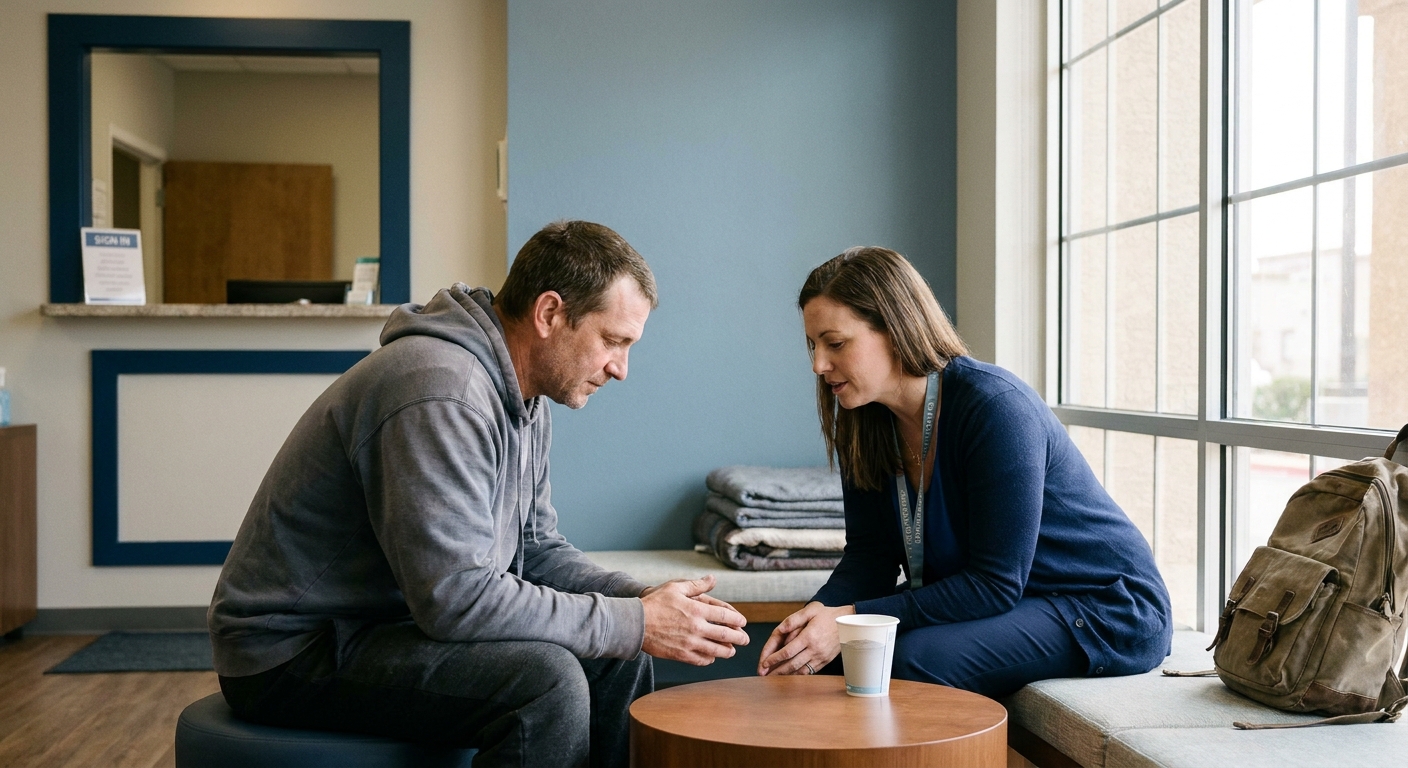
“There are a lot of facilities where people maybe don’t understand the population as well as the clinicians here,” Josette says. “When you’re meeting with someone and you know they’re also in recovery, you can be honest and you can start to dig deep and work through a lot of the things that caused you to be an addict.”
This is the same reason peer recovery groups work. Guilt and shame make it nearly impossible to open up, and sitting with someone who has lived your experience dissolves them. You stop feeling like a bad person. Clients tell us they feel more comfortable because they are not ostracized, and that comfort is not a nicety. It is the thing that makes the actual work possible.
Time, Structure, and a Reason to Stay
Honesty opens the door, but lasting change needs time to walk through it, and time is exactly what most programs cut short.
We keep our clients decidedly longer than most places, and we keep them involved the entire way. We hold them in treatment as long as we possibly can, because a longer runway gives a person a far better chance. Much of what has been missing from their lives is structure, and that is one of the central things we provide. Clients are gaining knowledge and building stability the whole time they are with us.
The piece that turns a recovery into a future is long-term case management, and it is enormous here. This is where lives genuinely change direction.
“We have a lot of clients that have enrolled in college just for my groups and are starting to build a career path,” Josette says. “A lot of facilities don’t offer that.”
A person who leaves treatment with a career path is a person with something to lose and something to build toward. That is recidivism prevention in its most durable form.
Rewiring the Beliefs Underneath the Addiction
Underneath the behavior are the beliefs that drive it, and our clinical work goes straight at them. Josette’s favorite intervention is cognitive behavioral therapy, and the reason is specific.
“Cognitive distortions are huge, especially in addiction,” she says. These are the core beliefs a person carries that they are not good enough, the assumptions they make, and the lies they tell themselves. In CBT, we weigh the evidence against those beliefs to see what is actually true. “When you can start to get over those hurdles, it helps people progress in their lives.”
That is the deepest layer of the work. Stopping the substance treats the symptom, but reworking the belief that a person is worthless is what keeps them from returning to it.
Put it all together and you have an answer to the question we started with. Lowering recidivism takes reaching people before release, earning an honesty that judgment would have blocked, giving recovery enough time and structure to hold, and building a life worth protecting. We know it works because the people who walk through it tell us so.
“A lot of my clients have succeeded and gone on to do great things, and they keep in touch,” Josette says. “They send me little messages, checking in, telling me how they’re doing. It’s great to see.”
Those messages are what breaking the cycle actually looks like.