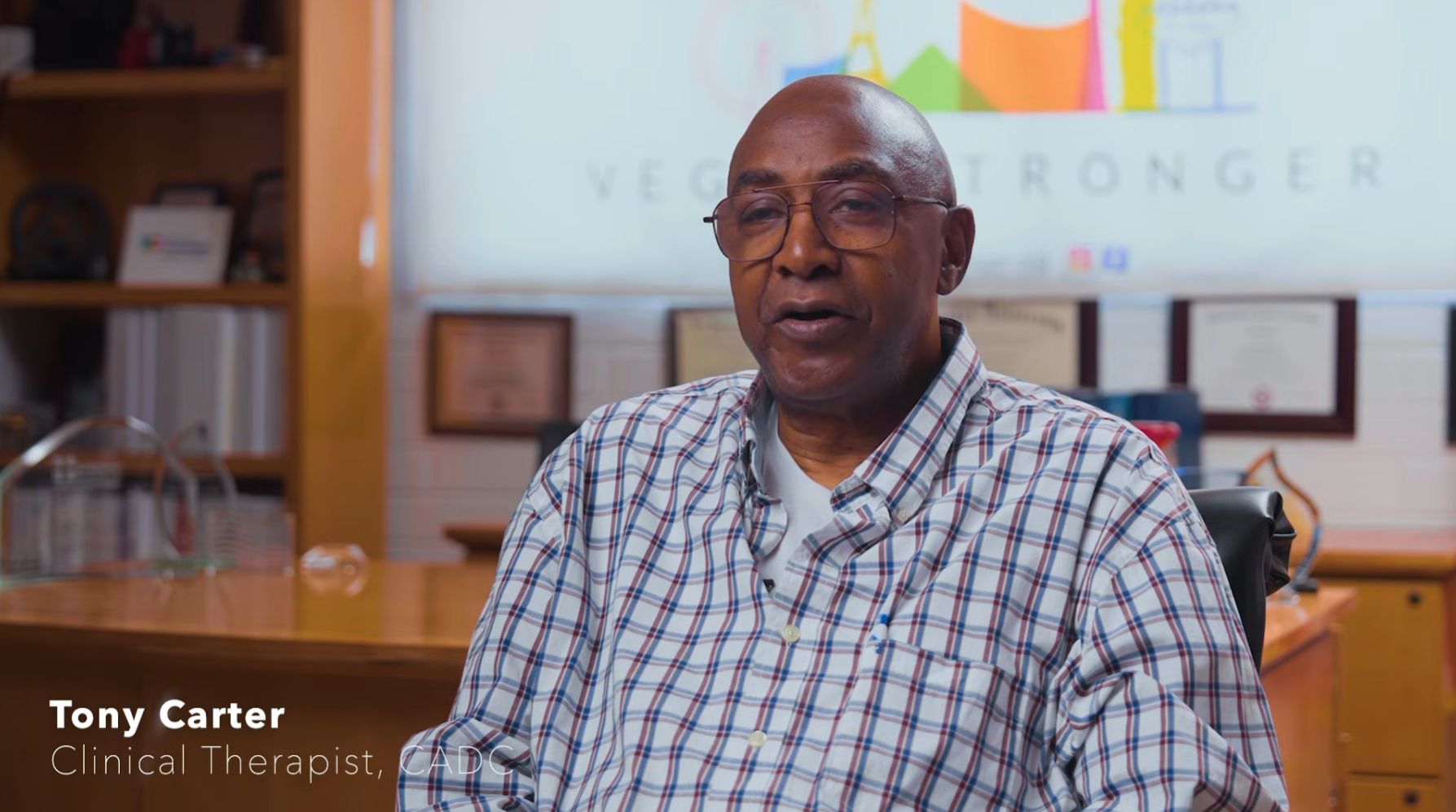
After 34 years in behavioral health, you learn to tell the difference between a program that talks about saving lives and one that actually does it. Tony Carter has spent five of those years with us, and he is winding down a long career with a clear verdict.
“There’s no question that this program saves lives and helps people change,” says Tony, one of our clinical therapists.
Coming from someone who has seen more than three decades of this work, that is not a small thing to say. And when he explains what makes the difference here, he does not point to a technique or a credential. He points to something harder to build.
“The difference is the compassion, the heart, and the effort the team makes to really help people look at changing their life, not just stopping all that destructive behavior,” he says.
That distinction is the whole philosophy in a single sentence. Getting someone to stop using is where a lot of treatment ends. For us, it is barely the beginning. The real work is helping a person rebuild the life underneath the addiction, which is why we treat the person and not just the symptom, and why our care reaches past sobriety into housing, employment, mental health, and everything else a stable life requires.
The Program That Runs From the Bottom Up
Here is the part Tony says you would never believe, and it is the quiet engine behind everything else.
“Everything in this program trickles from the bottom up,” he says.
In most clinical settings, decisions come down from the top and the staff carry them out. We built ours the other way around. Our team gives real input on the procedures we follow, the direction we are headed, and even the areas most organizations keep behind a closed door, including how resources and money are handled.
That is not just a nice way to run a workplace. It changes the care. When the people doing the frontline work have a genuine voice in how the work is done, they are invested in a way that cannot be mandated. As Tony puts it, it “empowers staff to want to be here more.”
Why That Reaches the Client
A client never sees a budget meeting or a procedures discussion. But they feel the result of them in every single interaction.
Staff who feel ownership show up differently. They bring the compassion, the heart, and the effort Tony describes, not because a policy requires it, but because this is their program too. That investment is exactly what a person in crisis can sense, often before they can articulate it, and it is a large part of why our clients build the kind of trust that real recovery depends on.
A veteran clinician getting ready to retire has no reason to oversell where he works. When Tony says this program saves lives, he is describing what he has watched happen, day after day, for five years. The compassion is real, the culture behind it is real, and for the people we serve, the difference between stopping the using and changing a life is the difference that lasts.