
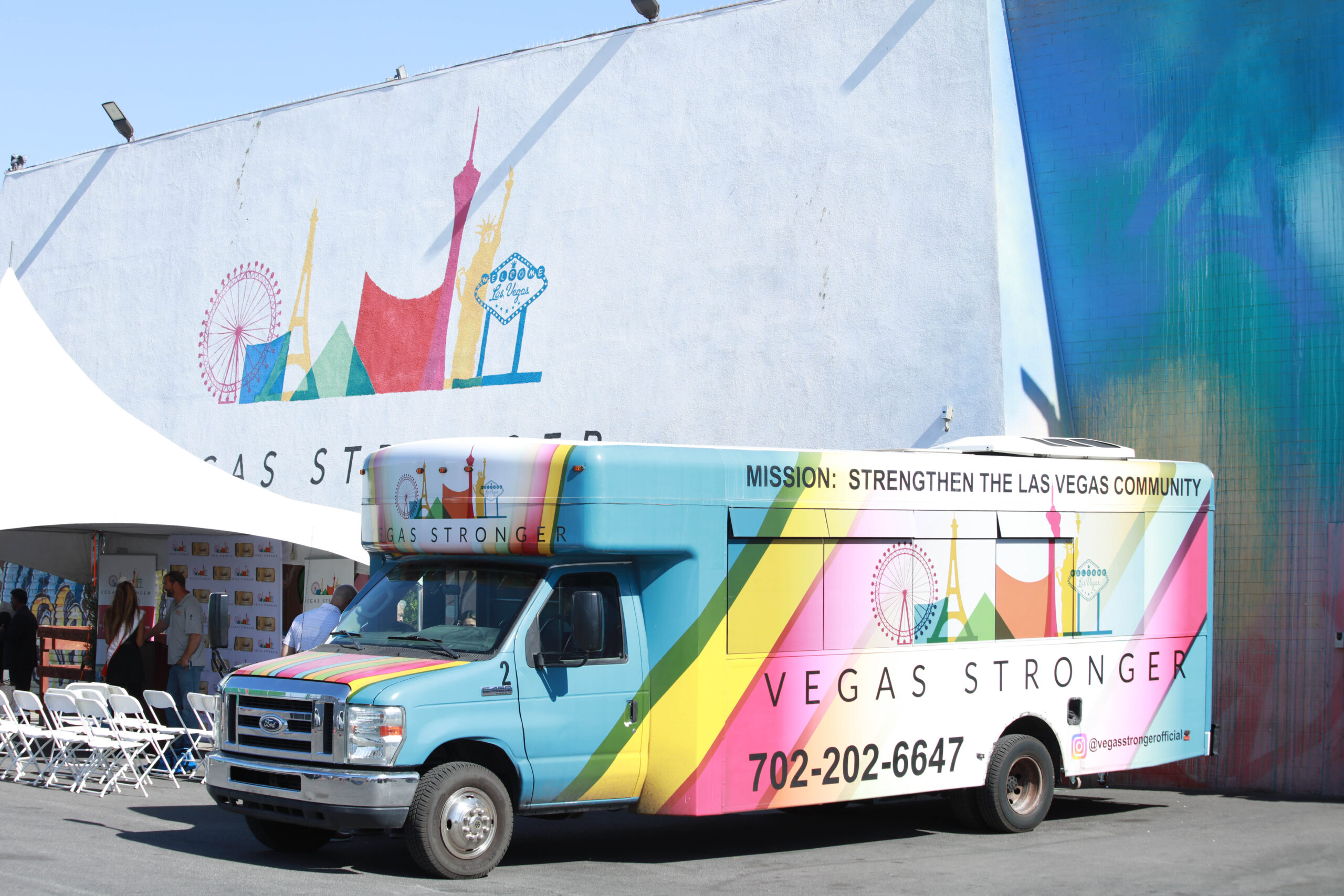
When you’re working toward lasting recovery, reliable rides can make all the difference. A transportation support recovery program helps you get where you need to be—whether that’s counseling sessions, case management meetings, or job interviews—so you can focus on rebuilding your life. By eliminating the stress of missed appointments and unpredictable transit, these programs become a vital link in your continuum of care.
In many communities, transportation barriers derail progress and increase the risk of relapse. You might struggle with cost, lack of public transit, or scheduling conflicts that leave you stranded on the sidelines of your own recovery journey. Understanding how transportation support works—and how it connects with housing, job training, and social reintegration services—empowers you to navigate resources more effectively and stay on track.
This article breaks down what you should know about transportation support recovery programs today. We’ll explore common barriers, the types of services available, the benefits you can expect, how to enroll, and ways to integrate rides into a full spectrum of wraparound supports from providers like Vegas Stronger.
Understanding transportation barriers
Even with strong motivation, you can hit roadblocks simply getting to treatment. Common transportation challenges include:
- Cost constraints, from gas money to taxi fares
- Limited or non-existent public transit in rural or suburban areas
- Scheduling conflicts that clash with clinic hours or peer meetings
- Physical or mobility issues that make standard transit inaccessible
- Weather and safety concerns, especially during early morning or late-night rides
When you miss appointments because you can’t get there, you lose momentum, accountability, and the peer connection that reinforces sober support. Consistent attendance builds trust with counselors, helps you maintain medication schedules, and keeps you engaged with your recovery community. A transportation support recovery program is designed to address these hurdles head-on.
Types of transportation programs
Transportation support isn’t one-size-fits-all. Many organizations offer two main models: traditional ridesharing/taxi services and peer-supported transport. Understanding each option helps you choose the right ride for your goals.
Traditional ridesharing and taxi
With 24/7 access to ridesharing and taxi services, you can schedule on-demand trips to any recovery-related appointment. Drivers vetted by the program pick you up in safe, well-maintained vehicles. This option gives you flexibility when your schedule shifts or last-minute needs pop up.
Many programs cover the full ride cost or require only a nominal co-pay, reducing financial stress. You’ll typically call a central number or use an app to book, and a ride arrives within minutes. For straightforward point-to-point needs—like getting to a court date or a medical check-in—this model often works best.
Peer-supported transport
Peer-supported transport pairs you with a certified recovery peer advocate who drives you to appointments during weekday hours. Beyond simply providing a ride, peer drivers draw on lived experience to offer encouragement, share coping strategies, and connect you to community resources.
If isolation or shame keeps you from reaching out, a ride with someone who’s walked in your shoes can feel less clinical and more uplifting. Peer rides often follow a set schedule—morning to evening—so you know exactly when support is available.
| Feature | Ridesharing & Taxi | Peer-Supported Transport |
|---|---|---|
| Availability | 24/7 on-demand | Weekdays, scheduled hours |
| Emotional support | Limited | High (peer advocate) |
| Booking method | App or call center | Coordination with case manager |
| Cost to client | Free or small co-pay | Often fully covered |
| Best for | Last-minute or off-hour needs | Regular weekly appointments |
Benefits of reliable transport
When you consistently make it to your recovery appointments, the results speak for themselves:
“Consistent attendance supported by stable transportation correlates with higher abstinence rates and reduced relapse, noting that up to 90% of participants who maintain two years of uninterrupted sobriety remain drug- and alcohol-free after a decade.”
Reliable rides translate into accountability, steady progress through all levels of care, and a stronger connection to peers and professionals. In Connecticut, providers near new transit lines saw over a 10% increase in client engagement and completions, plus a 0.12% reduction in operating costs per client—showing how transportation access drives both outcomes and efficiency.
Beyond attendance, dependable transport reduces stress, helps you manage co-occurring health appointments, and supports family visits—an essential part of social reintegration. You’re not just getting from A to B; you’re building a stable routine that reinforces healthy choices day after day.
Eligibility and enrollment
Each transportation support recovery program sets its own eligibility rules and enrollment process. Here’s what to look for:
You’ll typically need to:
- Be enrolled in a certified treatment or recovery program
- Have appointments that align with your treatment plan or recovery goals
- Complete a brief application through your provider or local behavioral health network
In Virginia, for example, Medicaid covers non-emergency medical transportation for members without other options. Managed care enrollees call their health plan; fee-for-service members contact ModivCare to schedule rides.
Vegas Stronger clients often streamline enrollment by working directly with their case manager. If you’re enrolled in Vegas Stronger’s continuum of care, your case manager can set up rides as part of your wraparound services for clients or vegas stronger case management housing package. This one-stop coordination means you don’t juggle multiple phone numbers or intake forms.
Integrating with wraparound services
Transportation support shines brightest when paired with other resources—housing stability, job training, social services, and community reintegration all play a role. Vegas Stronger weaves rides into a network of supports so you can tackle each step of your recovery:
Stable housing
Whether you need a transitional residence or sober living, having reliable rides keeps you connected to treatment and peer support. Explore options like supportive housing for addiction las vegas or sober housing las vegas to lock in a safe home base.
Case management and referral
From housing referrals to legal appointments, your case manager arranges rides through Vegas Stronger’s housing referral program for clients or vegas stronger housing program nevada. When your support network sends a single request, you get door-to-door service.
Job training and employment
Securing work is critical to reintegration. With rides to vocational classes or interviews, you stay on schedule for job training recovery nevada and employer meetings. No more missed opportunities because you couldn’t find a ride.
Social services and community reintegration
Community events, peer meetups, court dates, and probation check-ins all matter. Vegas Stronger’s vegas stronger social services support ensures you can attend any appointment that pushes you forward—so no matter what life throws at you, you have a plan to get there.
Telehealth as a supplement
If physical travel isn’t feasible—say you’re in a remote area—you can offset distances with video counseling. Combining telehealth with occasional in-person rides expands your access when local transit is sparse.
By embedding transportation into your full recovery roadmap, Vegas Stronger reduces friction at every turn. You don’t need to piece together taxi vouchers, ridehail apps, and volunteer networks—everything flows through the same case management team.
Tips for maximizing benefits
To get the most out of your transportation support recovery program, try these strategies:
- Coordinate rides in advance
Schedule peer-supported trips at the start of each week so your case manager can block time on the calendar. - Bundle appointments
When possible, align counseling, medical, and social service visits on the same day to reduce stops and save program resources. - Maintain open communication
Let your driver or case manager know about any delays—traffic, weather, or sudden appointment changes—to keep the service running smoothly. - Leverage telehealth
If you have a follow-up check-in or group meeting, ask if it can be virtual. Many providers let you switch to video when weather or transit is a barrier. - Know your service boundaries
Understand the hours, geographic limits, and allowable destinations of your program. This helps you plan weekend or evening needs with backup options.
By proactively planning and staying in touch, you build trust with your transportation team and ensure you always have a ride when it counts.
Next steps
Transportation support is more than a ride—it’s a cornerstone of your recovery infrastructure. When you eliminate the worry of how to get to treatment, housing, or work, you free up mental energy to focus on healing, rebuilding relationships, and reclaiming your future.
If you’re enrolled with Vegas Stronger, reach out to your case manager today to discuss transportation as part of your continuum of care with housing or to add rides to your existing plan. If you’re still seeking a program, ask local behavioral health networks about non-medical transportation options or explore Medicaid support in your state.
Every journey starts with a single ride—make yours count by tapping into a transportation support recovery program designed to keep you moving forward.