As you rebuild your life in recovery, secure, stable housing becomes far more than a roof over your head—it’s the bedrock of sustained sobriety. Supportive housing for addiction Las Vegas combines a safe place to live with the social, clinical, and practical resources you need to stay on track. By tying your living situation to case management, counseling, and community supports, these programs tackle the social determinants that often derail recovery.
Whether you’re stepping down from inpatient care or facing housing instability, this guide walks you through the challenges you may face, how supportive housing works, the options available in Las Vegas, and how you can access the programs designed for you. You’ll also learn how Vegas Stronger integrates housing with transportation, job training, and social reintegration to help you rebuild every aspect of your life with confidence.
Recovery housing challenges
Stable housing is one of the most critical factors in preventing relapse, yet many people leaving treatment find themselves without a dependable living arrangement. Frequent moves, eviction threats, or crowded shelters can interrupt therapy appointments, weaken your support network, and increase stress—key drivers of substance use. In a region where housing costs have skyrocketed and shelters can’t guarantee sobriety-focused environments, the risk of falling through the cracks is real.
Las Vegas and the broader Clark County region face ongoing substance-use challenges, particularly with opioids, fentanyl, and methamphetamine, creating a significant need for high-quality sober living homes that provide safe, structured, non-clinical recovery housing in 2025. Without a supportive housing framework, your chances of cycling between homelessness and relapse rise dramatically. If you’re unhoused or living in an unstable situation, exploring homeless addiction recovery services should be one of your first steps toward long-term stability.
Define supportive housing
Supportive housing blends affordable accommodation with on-site or closely connected services that address the whole person—mental health care, substance use counseling, employment assistance, and more. You don’t just get a place to stay; you gain a coordinated plan that helps you navigate treatment, build life skills, and maintain sobriety. Models range from long-term Permanent Supportive Housing to shorter-term transitional environments that bridge the gap between detox programs and independent living.
Transitional sober living homes often enforce house rules like curfews, chore schedules, and mandatory group check-ins, fostering accountability through peer support. If you’ve just completed a residential program, consider options such as transition housing for recovery nevada or structured sober living through Virtue Recovery Center’s trauma-informed programs. At the other end, Permanent Supportive Housing offers indefinite placements with subsidized rent and integrated case management as part of a broader continuum of care with housing.
Local housing program types
Across southern Nevada, public and private initiatives deliver supportive housing at every stage of recovery. Recent expansions illustrate growing momentum: The Las Vegas Rescue Mission is undertaking a million redevelopment to build a new “Shelter of Hope” in downtown Las Vegas, adding 118 beds specifically for women and their families, complete with children’s play areas and family rooms. Currently the mission operates just 24 beds for women’s addiction recovery but expects a significant capacity boost following City Council approval in October 2023.
Permanent supportive housing
Permanent Supportive Housing (PSH) pairs long-term residences with case management, substance use counseling, and mental health services. You typically pay no more than 30 percent of your adjusted income toward rent and utilities, while government or nonprofit grants cover the balance. This model excels for people managing co-occurring diagnoses or those who would otherwise face chronic homelessness.
PSH is licensed under the NARR Standard 3.0 framework in Nevada, ensuring operators meet state licensing, certification, and zoning requirements. By adding services on-site or through close partnerships, PSH programs reduce hospital visits, improve medication adherence, and foster stable community integration. Participants often remain in their homes for years, allowing them to rebuild careers and relationships without the threat of sudden displacement.
Rapid Rehousing
Rapid Rehousing offers time-limited rental assistance—usually up to six months—while you work with a case manager to secure income and long-term housing. There are no preconditions like sobriety or employment, so you can use the support immediately after leaving an institutional setting or emergency shelter. The goal is to minimize your time without an apartment and link you to resources such as employment programs, legal aid, and health care.
This model emphasizes housing search, financial literacy, and landlord mediation. By stabilizing your living situation quickly, Rapid Rehousing programs help prevent relapse triggers tied to homelessness and lengthy shelter stays. Many participants transition to market-rate rentals or PSH placements as their earnings grow.
Veteran supportive services
Supportive Services for Veteran Families (SSVF) targets veterans at risk of or currently experiencing homelessness. Through SSVF you receive tailored case management, rental assistance, and mental health or substance use counseling in one unified plan. The program helps you navigate VA benefits, secure veteran-specific employment opportunities, and connect with community organizations that understand military culture.
SSVF providers partner with local landlords, outpatient clinics, and reentry programs to maintain occupancy and outcomes. As with other housing models, the emphasis is on sustained stability—once you earn enough to cover rent independently, the subsidy winds down and landlord relationships carry forward.
| Program | Duration | Key features |
|---|---|---|
| Permanent supportive housing | Indefinite | Subsidized rent, on-site case management, mental health and substance use counseling |
| Rapid Rehousing | Up to six months | Short-term rental assistance, housing search support, financial and landlord mediation |
| Supportive services for veterans | Time-limited | Tailored case management, VA benefit navigation, veteran-focused counseling |
These options represent just a slice of housing & recovery integration Las Vegas, giving you multiple pathways to stable living.
Benefits of supportive housing
You gain more than a stable address when you choose supportive housing—you build a foundation that touches every aspect of recovery
- Consistent housing stability reduces stress and distractions, so you can focus on treatment and life goals
- Integrated case management and counseling link you to mental health, substance use therapy, and legal or medical supports
- Peer-driven environments foster camaraderie and accountability, diminishing isolation
- Programs like the Las Vegas Rescue Mission’s addiction recovery shelters report an 80 percent success rate in placing people into permanent housing over two years)
- Family-friendly initiatives allow couples and their children to stay together, preserving relationships during recovery
By combining four walls with dynamic, person-centered resources, supportive housing anchors you to the healthy routines and services essential for long-term sobriety.
Vegas Stronger’s integrated support
Treatment-first housing model
As part of vegas stronger housing support, you benefit from a treatment-first philosophy that prioritizes free, evidence-based behavioral health care before you even move in. Unlike traditional shelter-first approaches, this model ensures you’re medically and emotionally prepared for community living by the time you step through the door. The average length of service extends to 5.5 months, giving you breathing room to develop coping strategies and life skills. More than half of program graduates secure stable housing or employment afterward, a testament to the depth of support you receive.
Vegas Stronger also acquired the Recovery Regency Hotel downtown to provide short-term sober living that eases your transition from clinical treatment to independent living. This property offers private rooms, communal dining, and on-site counselors who monitor progress and help resolve challenges before they escalate. By the time you’re ready to lease your own apartment, you’ve built confidence, a savings cushion, and a network of peers and professionals committed to your success.
Wraparound reintegration services
Beyond housing, Vegas Stronger weaves in vegas stronger case management housing to coordinate everything from legal advocacy to job placement. If transportation is a barrier, their transportation support recovery program provides shuttle services and bus passes so you never miss appointments. Meanwhile, job training recovery nevada connects you to vocational coaching, certification programs, and local employers who value hiring individuals in recovery.
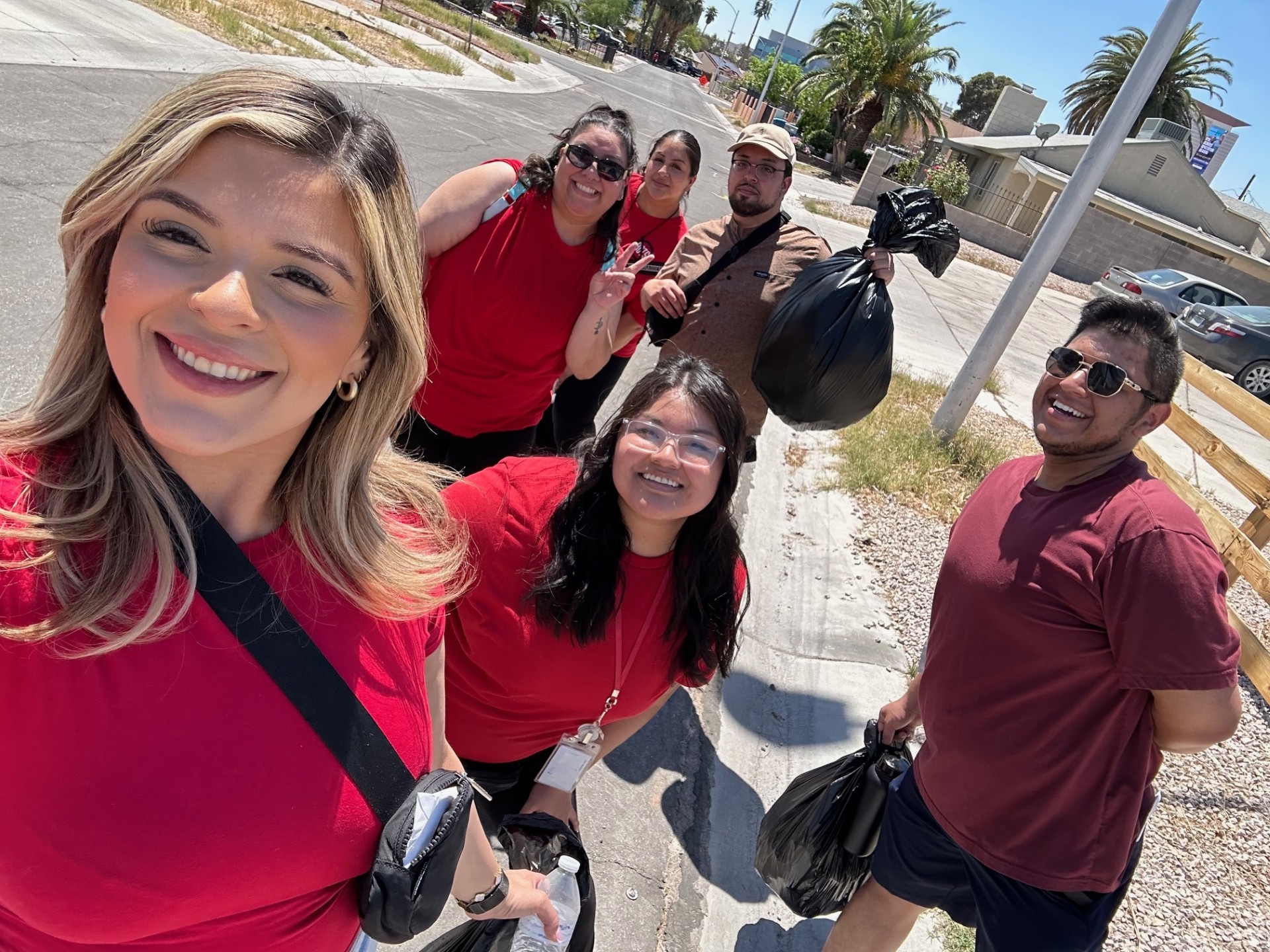
Finally, your reintegration continues with community outreach, alumni groups, and social outings designed to rebuild trust and social skills. Through vegas stronger community reintegration, you learn how to navigate workplace dynamics, reengage with family, and enjoy sober leisure activities without feeling isolated. These wraparound services ensure your housing isn’t just a stopgap but a launching pad for lasting change.
Access supportive housing
Eligibility and referrals
Most programs assess eligibility based on income, clinical need, and housing history. To get started, have basic documents ready—photo ID, proof of income or veteran status, and any clinical assessments. If you’re currently in treatment, ask your counselor or discharge planner about the official housing referral program for clients. They can submit applications on your behalf and link you to the right housing pipeline.
If you’re leaving a shelter or jail, community organizations often maintain referral partnerships. Reach out to agencies offering stable housing for recovery clients early in your treatment journey to ensure seamless placement.
Application process
Once referred, you’ll complete an application that asks about your recovery goals, family composition, and support needs. Some programs use waitlists; others move quickly if vacancies exist. Stay in touch with your case manager weekly and update any changes in income or contact information.
During the selection process, you may be invited for a brief interview or tour. Use that opportunity to ask about house rules, counseling schedules, and peer-support meetings. Clear communication helps set realistic expectations—your recovery housing should feel like a fit from day one.
Next steps in your journey
Supportive housing for addiction in Las Vegas bridges the gap between treatment and independent living by wrapping you in a network of care that doesn’t end when you get your keys. From transitional sober living to Permanent Supportive Housing and veteran-specific programs, a range of options exists to match your timeline and needs.
Reach out to your treatment provider or check local resource directories to begin the referral process. With the right program—bolstered by wraparound services in transportation, job training, and community reintegration—you’re not just finding a place to stay, you’re claiming the stability and support you deserve on your path to lasting recovery.