
Key Takeaways
- Harm reduction limits the negative consequences of drug use without requiring immediate abstinence, treating addiction as a health issue, not a moral failing.
- Core principles include meeting people where they are, offering a spectrum of care options, and reducing the risks of overdose and disease transmission.
- Effective programs also address root causes — poverty, trauma, homelessness, and isolation — not just individual behavior.
- Relapse isn’t failure; harm reduction and relapse prevention work together to support recovery at each person’s own pace.
- Vegas Stronger provides free, evidence-based harm reduction services in Las Vegas with no waiting list and no sobriety requirement to start.
- Enrolling, donating, or volunteering directly expands life-saving outreach and care in the community.
Addiction doesn’t wait for someone to be “ready.” In Las Vegas, for example, it shows up in homes, on Fremont Street, along Boulder Highway, and in the Corridor of Hope — and it demands a response that meets people where they actually are, not where we wish they were. That’s the idea behind harm reduction, and it’s at the heart of the work that behavioral healthcare nonprofits like Vegas Stronger do every day.
What Is Harm Reduction?
Harm reduction is a public health approach focused on reducing the negative consequences of drug use rather than requiring immediate abstinence as a condition of care. It starts from a simple premise: people deserve safety and dignity, and substance use is not a moral failing to be punished but a health issue to be treated. Rather than waiting for someone to hit bottom or commit to total sobriety before offering help, harm reduction provides support, education, and resources at every stage of a person’s journey.
This doesn’t mean giving up on recovery. Research and frontline experience both show that harm reduction strategies and treatment work hand in hand. Making drug use safer can prevent some of the very consequences that define addiction, and it often becomes the first step that brings someone into care they might otherwise avoid entirely. In short, harm reduction philosophy “acknowledges that recovery is different for everyone and supports individuals in making safer choices at their own pace.”
The Key Principles of Harm Reduction
Organizations across the field generally follow the same core harm reduction principles.
Meeting People Where They Are
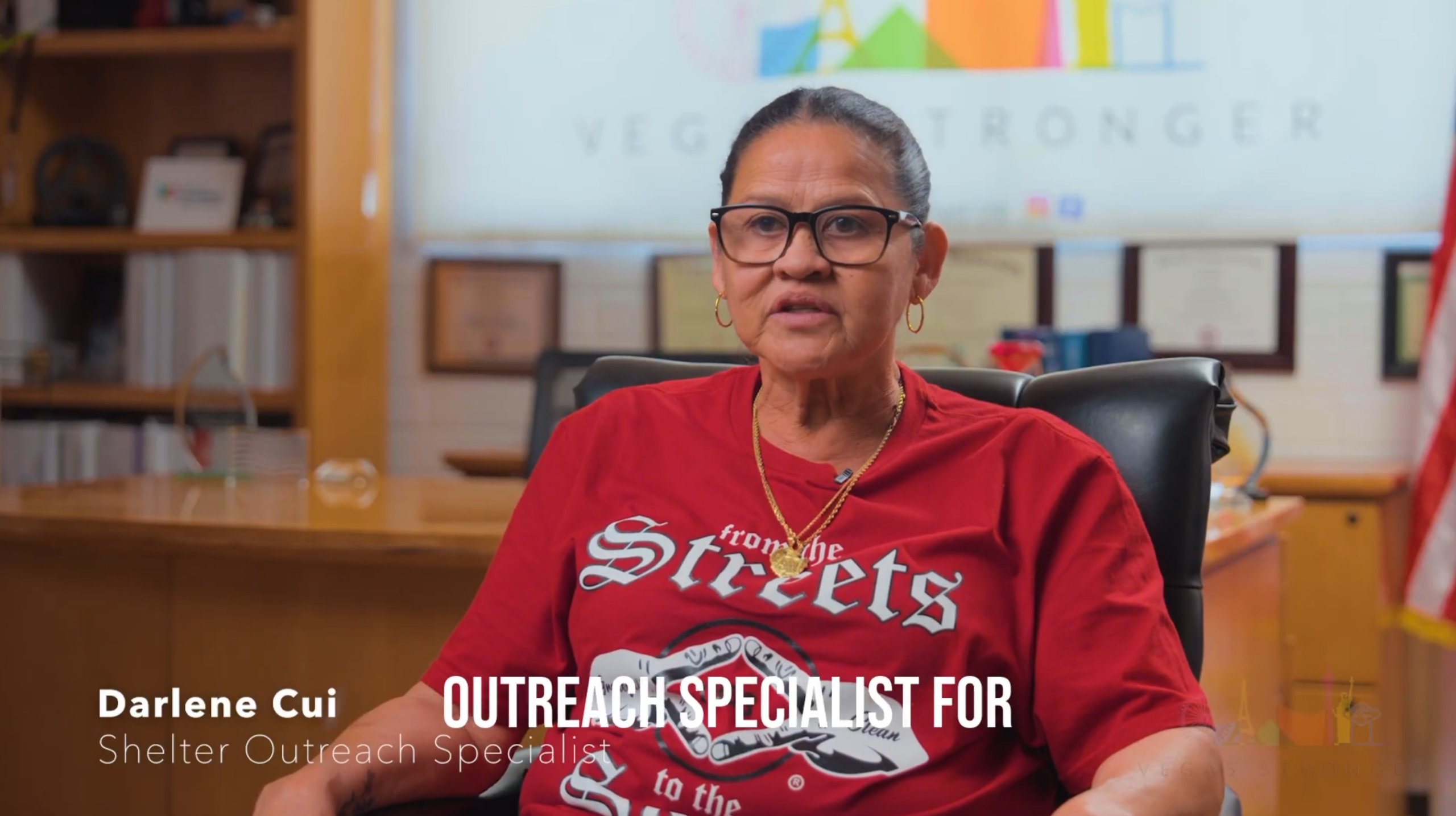
Sound addiction treatment rejects a one-size-fits-all harm reduction model. Outreach teams go to the streets, shelters, encampments, and high-risk neighborhoods rather than waiting for people to come to a clinic. No one is required to be sober or “have it together” before receiving help.
Providing Non-Judgmental, Non-Coercive Care
A key aspect of compassionate and effective harm reduction services is to provide them without stigma, shame, or punishment. People are treated as individuals first, not as problems to be managed. Building trust often opens the door to deeper engagement later and is a vital component of harm reduction psychology.
Reducing Real Health Risks
Practical tools for preventing overdose and the spread of disease — naloxone for overdose reversal, sterile syringes and safer-use supplies, infectious disease testing, and education — directly reduce overdose deaths and the spread of HIV and hepatitis C. Needle exchange programs alone have been shown to cut bloodborne infection risk roughly in half for people who inject drugs.
Offering a Spectrum of Recovery Options
Harm reduction recognizes that drug use exists on a continuum, from active, high-risk use to full abstinence, with many safer paths in between. That’s why effective programs combine medication-assisted treatment (MAT), therapy, peer support, and case management rather than offering a single rigid track.
Centering the Voice of People Who Use Drugs
People with lived experience should have a real say in shaping the harm reduction programs meant to serve them. Peer support workers, many in long-term recovery themselves, bring credibility and understanding that traditional clinical settings often can’t replicate.
Addressing the Conditions Around Substance Use
Poverty, trauma, homelessness, and social isolation all shape vulnerability to drug-related harm. Harm reduction looks beyond the individual to address housing, employment, mental health, and community support — the conditions that make lasting change possible.
How Vegas Stronger Puts These Principles Into Action
Vegas Stronger, a Las Vegas behavioral healthcare services nonprofit, brings harm reduction to life through:
- Outreach and education in high-risk areas
- Safe and judgment-free treatment environments
- Comprehensive care coordination that connects clients with housing, employment, and community resources
- Narcan training
Its relapse prevention work builds on this foundation — helping clients identify personal triggers, develop healthy coping strategies, and create individualized plans for managing cravings and crises, all while integrating MAT support for those using Suboxone, methadone, or Vivitrol.
As a nonprofit serving Las Vegas regardless of a client’s ability to pay, Vegas Stronger offers immediate access to care with no waiting list, dual-diagnosis support for co-occurring mental health conditions, and a long-term focus on recovery that extends well beyond detox.
Why Your Involvement Matters
If you’re seeking help: You don’t have to be sober or clean to walk through the door. Whether you want to reduce risk, are actively pursuing sobriety, have relapsed before, or simply want compassionate, evidence-based support, Vegas Stronger meets you where you are.
If you’re considering volunteering: Outreach and peer support are the backbone of harm reduction. Your time helps build the trust that saves lives.
If you’re considering donating: Every dollar helps fund outreach teams, naloxone distribution, and care coordination that keeps people alive long enough to choose recovery.
Recovery isn’t a single destination; it’s a journey, and no one should have to walk it alone.
Discover Compassionate, Empowering Addiction Care With Vegas Stronger
At Vegas Stronger, we understand that trauma is at the root of many substance use disorders and mental health challenges. Many individuals struggling with addiction have endured childhood trauma, abuse, neglect, PTSD, or other life-altering experiences. Our approach to harm reduction and relapse prevention helps individuals reduce risks, minimize harm, and take progressive steps toward long-term recovery — no matter where they are in their healing process.
Vegas Stronger is committed to ending homelessness and addiction by providing immediate, comprehensive, and evidence-based treatment to the most underserved populations in Las Vegas. We aim to restore dignity, independence, and stability by addressing substance use disorders, mental illness, and social barriers to recovery. Please contact us to learn more about our services and consider supporting our work.