Key Takeaways
- Physical: Volunteers tend to have lower mortality, better physical functioning, healthier hearts, and more activity — with benefits kicking in at just ~2 hours a week.
- Mental: Volunteering lowers depression and anxiety, relieves stress, builds a sense of purpose, and boosts confidence and self-esteem.
- Social: It helps you make new friends, strengthens community ties, brings diverse people together, and is a great shared activity for families.
- Career: Volunteering builds real workplace skills, lets you “test drive” a new career, provides genuine training, and can open doors to professional networks.
- Take action: A small time commitment goes a long way — Vegas Stronger offers volunteer opportunities for any skill set and welcomes you to get involved.
What Are the Benefits of Volunteering? (Hint: There Are More Than You Think)
When you donate your time to a cause you care about, you’re doing more than helping others; you’re actually reshaping your own life for the better. Research increasingly shows that the benefits of volunteering include helping you make friends, learn new skills, advance your career, and even feel happier and healthier. Here’s a closer look at the payoffs of giving your time.
Physical Health Benefits
Volunteering isn’t just good for the soul — it’s good for the body, too. Here are some of the physical health benefits of volunteering:
- Lower mortality and better physical functioning. People who volunteer experience benefits ranging from reduced mortality to better physical functioning.
- Improved heart health. One study found middle-aged volunteers were less likely to have abdominal fat and high blood glucose than non-volunteers, and also had healthier levels of “good” HDL cholesterol, while older volunteers were less likely to have high blood pressure.
- More activity, less loneliness. Volunteering is linked with increased physical activity and reduced loneliness, which itself has a notably negative impact on physical health.
- A meaningful time threshold. Studies suggest that about two to three hours a week, or about 100 hours a year, is the threshold required to see meaningful results.
Mental Health Benefits
The psychological payoff of donating time may be even more pronounced than the physical one.
- Less depression and anxiety. Compared to non-volunteers, volunteers tend to have less depression, less anxiety, higher self-esteem, higher life satisfaction, greater happiness, and a greater sense of meaning in life.
- Stress relief. Focusing on someone other than yourself interrupts the tension-producing patterns that usually drive stress. Volunteering reduces stress while increasing positive, relaxed feelings by releasing dopamine.
- A sense of purpose. Older adults, especially those who have retired or lost a spouse, can find new meaning and direction in life by helping others. Donating time can help take your mind off your own worries while keeping you cognitively stimulated, making the benefits of volunteering for seniors ones well worth considering.
- Confidence and identity. Doing good for others and the community provides a natural sense of accomplishment, along with pride and identity.
Social Benefits
Volunteering is fundamentally a shared activity, and that’s where much of its power comes from.
- New friendships and networks. One of the best social benefits of volunteering is that it helps you make new friends, expand your network, and boost your social skills. It’s one of the best ways to meet new people, especially if you’re new to an area.
- Stronger community ties. Volunteers help support real individuals, families, and entire communities through their work. This not only enhances your bond to the place you call home, but helps you to take more pride in it.
- More diverse connections. Volunteering unites people from diverse backgrounds around a common goal and builds camaraderie and teamwork.
- A family activity. Volunteering as a family shows children firsthand how giving back makes a difference and feels good. It’s also great for bonding as a whole, as family members can relate to each other’s shared challenges and accomplishments.
Career Benefits
Volunteering can also pay dividends in the workplace, whether you’re just starting out or considering a change.
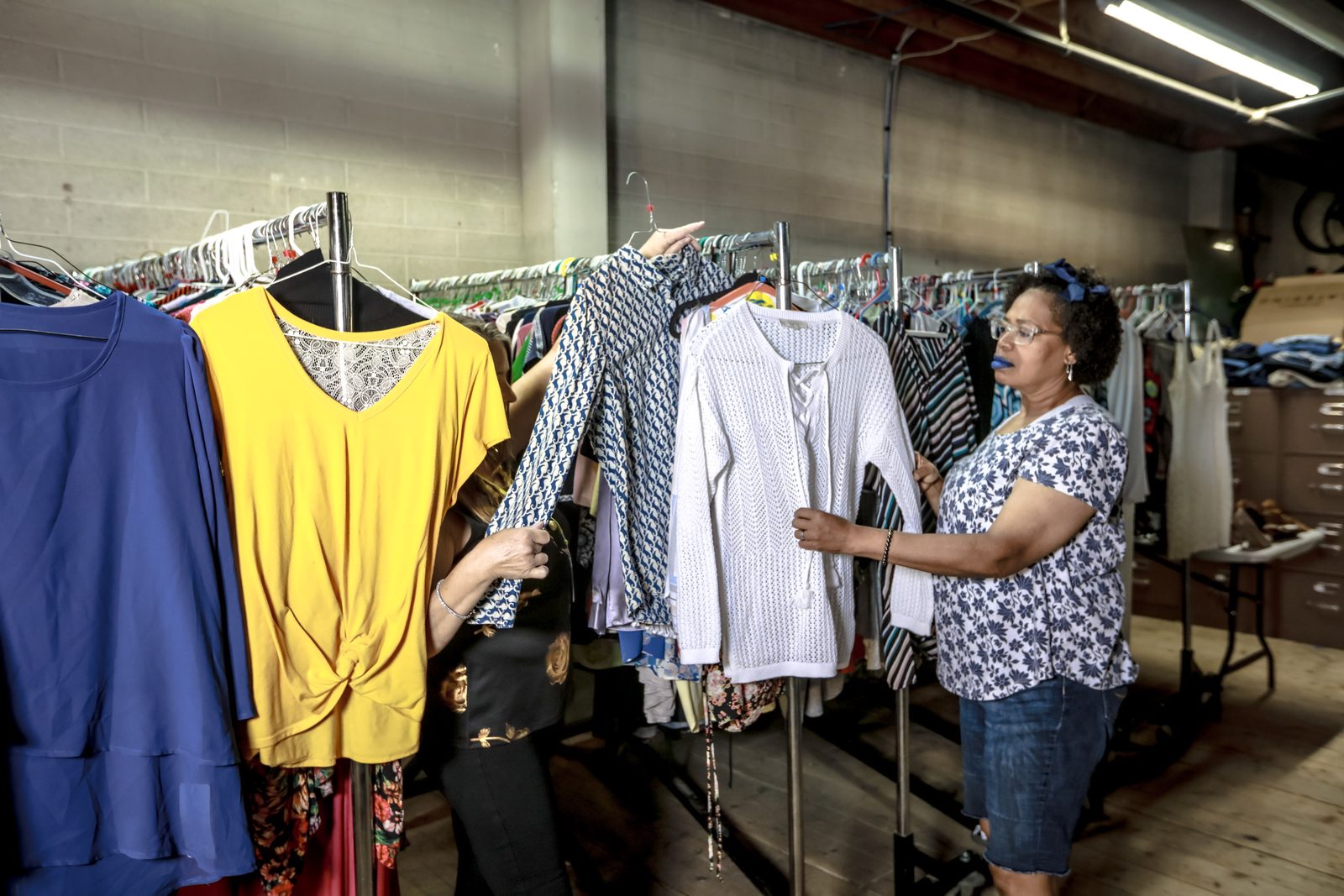
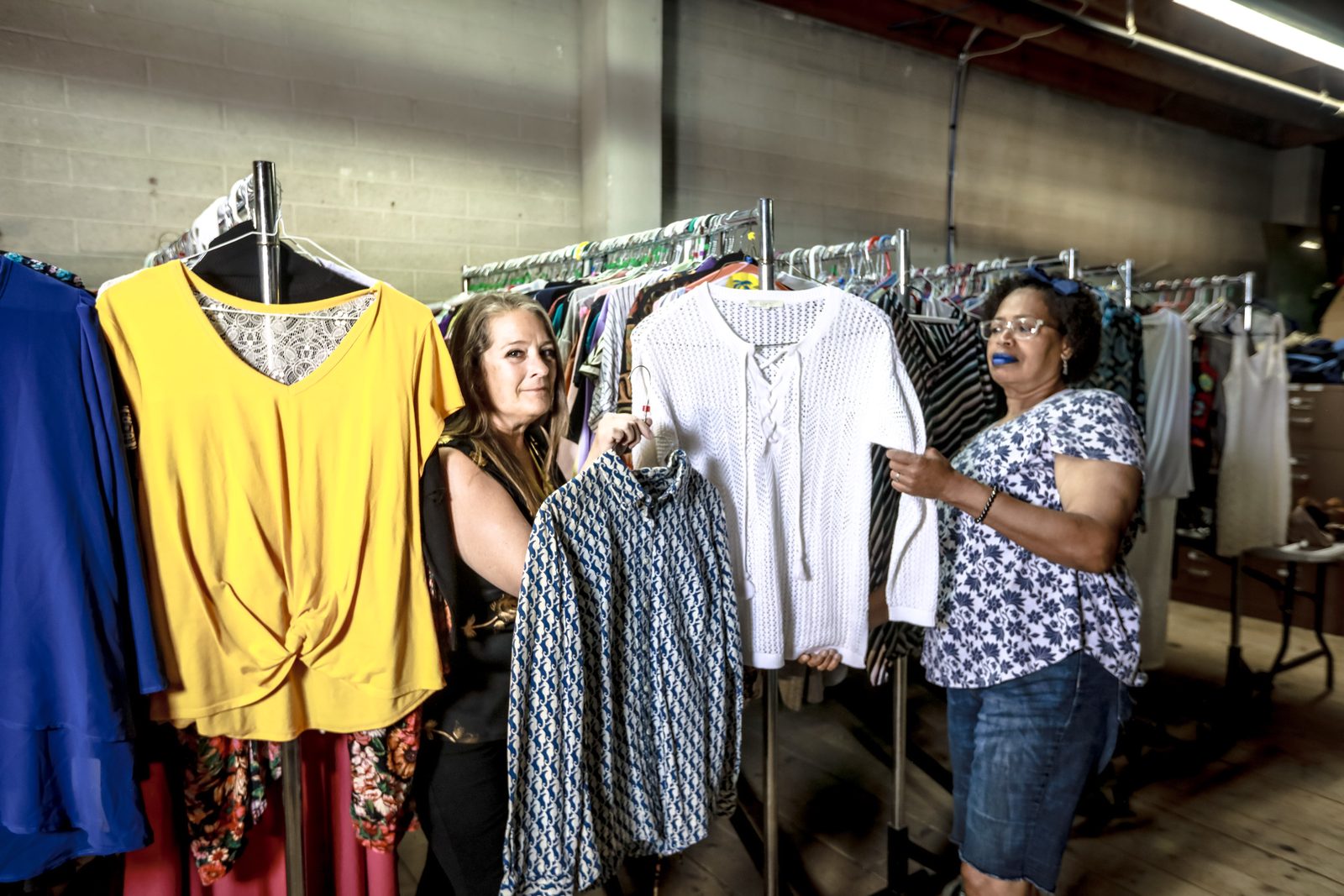
- Practice real workplace skills. Even without a career change in mind, volunteering lets you practice skills used in the workplace, such as teamwork, communication, problem solving, project planning, task management, and organization.
- Try before you commit. One of the best benefits of volunteer work for students and prospective career-changers is that it offers a chance to try out a new career without a long-term commitment, and is a great way to gain experience in a new field — for instance, volunteering at a hospital or nursing home if you’re considering nursing.
- Real training, real credentials. Just because volunteer work is unpaid doesn’t mean the skills learned are basic. Your experiences, adaptations, and people skills can help prepare you for countless important moments in life, both professional and personal.
- Open doors. Volunteer work can expose you to professional organizations or internships that benefit your career. More broadly, volunteers gain professional experience by testing out a career path firsthand.
Getting Started
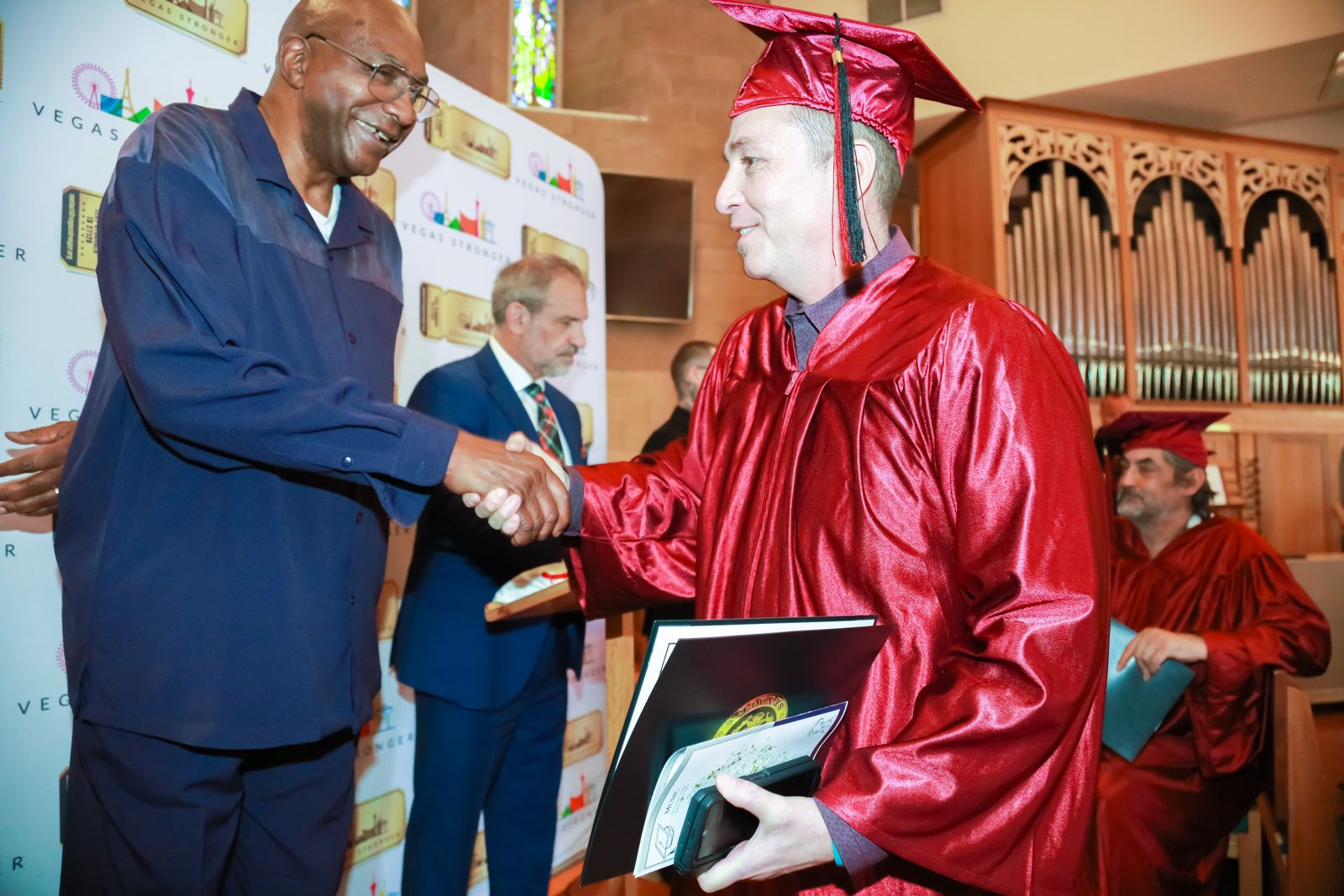
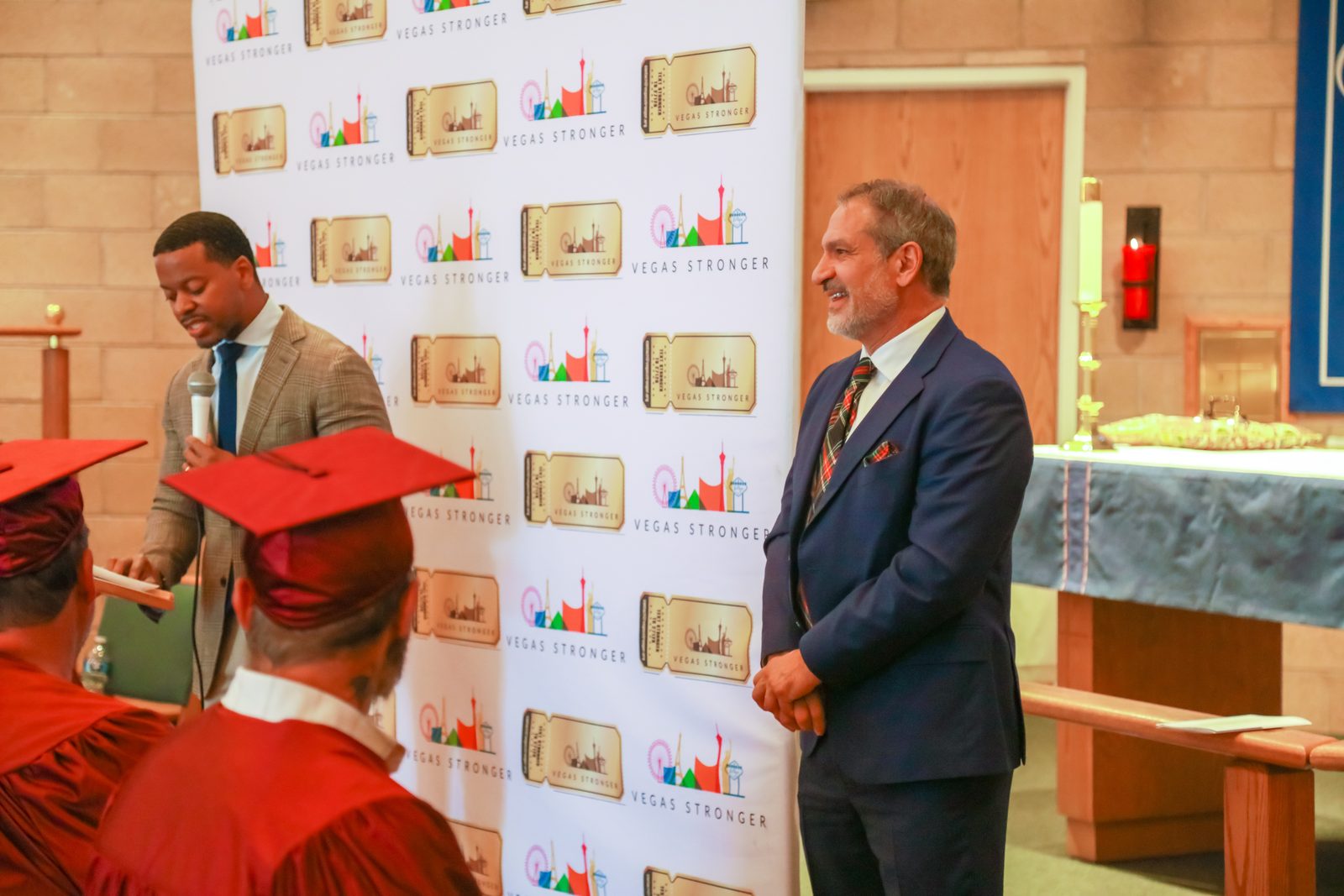
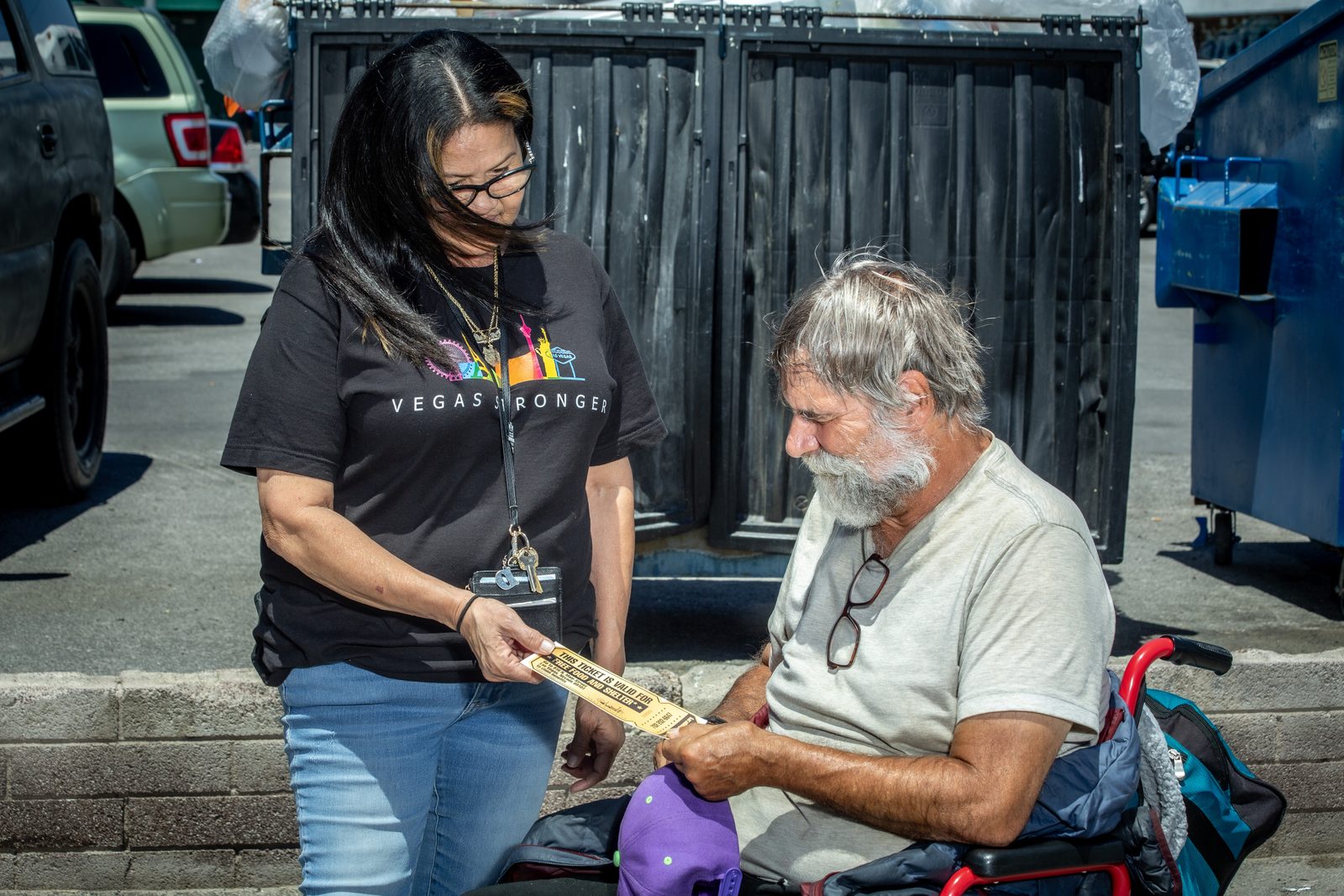
If you’re looking for a place to put your extra time to work, Vegas Stronger offers a natural fit. The Las Vegas nonprofit is focused on ending addiction and homelessness in the city, and it offers diverse opportunities that fit many abilities. One of the best ways to help your community is to serve its most vulnerable members. You can turn your time into real impact for your neighbors right here in Las Vegas.
Enjoy All the Benefits of Volunteering With Vegas Stronger
At Vegas Stronger, our mission is to end homelessness by addressing its root causes: substance use disorders and untreated mental health conditions. We are dedicated to providing comprehensive, integrated, and evidence-based treatment to the most underserved populations in Las Vegas. We aim to restore dignity, independence, and stability by addressing substance use disorders, mental illness, and social barriers to recovery.
Are you interested in giving back to the recovery community by donating your time to those that need it most? Or do you need to knock out some community service hours? Regardless of your age, background, personality or skill set, everyone has something solid to share and to contribute to our mission. Volunteer with us today, or consider supporting our work in a way that works for you.