
10 Questions Every Family Needs to Ask Before Choosing a Las Vegas Rehab
You toured a facility last week that had nice rooms and friendly staff, but when you asked how they handle someone who relapses twice, the intake coordinator changed the subject. When you asked what happens after 28 days, they handed you a printout of AA meetings. And when you asked what your insurance will actually cost, they said they would work with you, which is not a number. That knot in your stomach is telling you something: the wrong program will take your money, keep your loved one for a month, then send them right back to the same untreated trauma, unmet psychiatric needs, and unsafe housing that caused the crisis in the first place. The right questions to ask before choosing a rehab are the ones that separate a real recovery program from a nice-looking building, and this checklist from Vegas Stronger gives you all ten.
We wrote this the way we evaluate other programs when a family asks us whether a place is safe. We are Vegas Stronger, a nonprofit behavioral health center on North Main Street here in Las Vegas, and we have seen what happens to people when a program skips these steps. Print this page. Take it with you on every call.
How to Use These Questions to Ask Before Choosing a Rehab
Ask these questions on the phone before you ever set foot inside, write down the exact answers word for word, and compare them across at least three Las Vegas programs. That is the whole method, and it works because a program that dodges a straight question on the phone will dodge you again when your loved one is in crisis at 2 a.m.
Vague responses and redirected questions are themselves answers. When you ask a specific question and get a warm feeling instead of a fact, that is the program telling you to keep looking. Nice rooms and a friendly voice are easy to fake. Same-day access, real credentials, and a plan for the day after discharge are not. The federal government even publishes a short list for exactly this reason, and you can compare the 10 questions to ask treatment providers from the National Institute on Alcohol Abuse and Alcoholism against ours.
Bring a pen and a notebook, not just your memory. When you are frightened and exhausted, three phone calls blur together fast. If you can compare programs side by side on paper, the differences jump out, and you stop making a life-or-death decision on a gut feeling about who sounded kindest.
Question 1: Can My Loved One Start Treatment Today, or Is There a Waiting List?
Some programs offer same-day access with no waiting list. Every day your loved one waits is another day they can overdose, or lose the willingness to try. Addiction does not schedule its openness for two weeks from Tuesday.
At Vegas Stronger we run same-day access with no waiting list. When you call, the front desk helps sign a consent to treat and complete the first screens, and yes, they will offer food or a drink, because a lot of the people who walk through our door on North Main Street have not eaten. A licensed therapist then completes a full multidisciplinary clinical assessment that same day, followed by a psychiatric evaluation and medication-assisted treatment if it is indicated. A medical assistant orders medications and handles blood draws and observed urinalysis. Care starts that day. The first group is scheduled for the next morning, and we arrange transportation to and from wherever your loved one is sleeping.
Compare that to a program that quotes a two-week wait for intake. Two weeks can feel like an eternity when someone is ready right now. We at Vegas Stronger answer the phone 24/7 for a reason. If a program cannot see your loved one today, ask when they can, and write down the date. That date is the real answer.
Question 2: What Happens If My Loved One Relapses During Treatment?
Some programs treat a return to use as part of a chronic condition, not a reason to discharge someone. Programs with three-strikes policies abandon people at the exact moment they need help most, and then blame the person for leaving.
We at Vegas Stronger don’t have a three strikes rule. We’re the last house on the block, which means we keep working with people other programs have already given up on. Our participants often stay with us for around six months, not 28 days, because rebuilding a life takes longer than a month. We treated one man who came in talking big, connected with the whole team, then had multiple recurrences and even more than one stint in jail. He kept coming back. A program with a three-strikes rule and a 28-day clock might have discharged him after the first setback and called it his fault. His real barriers were housing, trauma, and untreated mental health, not a lack of willpower. Today he continues working on his recovery and rebuilding his life.
When you ask this question, listen for whether the program describes relapse as a clinical event they plan for, or a violation they punish. One answer keeps your loved one alive. The other puts them back on the street.
Question 3: Who Will Actually Provide My Loved One’s Care, and What Are Their Credentials?
Ask for names and licenses, because credentials are what stand between your loved one and unqualified staff making life-or-death decisions. A program that cannot tell you who leads its clinical team is a program hoping you will not ask.
Vegas Stronger is state co-occurring enhanced licensed and accredited by the Joint Commission. Our clinical director and clinical manager are both Licensed Clinical Social Workers with roughly 20 years of experience here in Las Vegas. Our Medical Director is an active MD with more than 20 years of his own recovery. Our CEO is a PsyD who also holds LADC-S, CPC, and PRSS-S certifications, with more than 30 years of recovery himself. That mix matters, because the people guiding your loved one have both the clinical training and the lived experience to know what has helped some people.
When you make these calls, ask who will run the assessment, who prescribes medication, and what letters come after their names. Then ask how long they have worked in Las Vegas. A team that has spent two decades doing this work in this city knows the local detox partners, the housing options, and the Medicaid maze in a way an out-of-state chain never will.
Question 4: How Does the Program Treat Co-Occurring Mental Health Conditions?
The program should treat substance use disorder and mental health together, in one place, not refer the psychiatric side out to someone else. Untreated depression, PTSD, or bipolar disorder is a common reason some people relapse after they leave rehab, so a program that ignores the mental health side may be setting your loved one up for additional challenges.
We provide integrated Behavioral Health Care at Vegas Stronger, which means we address the substance use disorder and the mental health condition as one problem, because for most of our clients they are one problem. The sequence matters. We stabilize the primary substance use and mental health first, get your loved one grounded, and build a real therapeutic alliance before we open up trauma, which we address later and one step at a time. Psychiatric care and medication-assisted treatment are available the same day, including long-acting injectables. Our staff are trained in cognitive behavioral therapy, dialectical behavior therapy, Seeking Safety, somatic approaches, and Eye Movement Desensitization and Reprocessing, all of it trauma-informed and evidence-based.
Ask any program you call whether the psychiatrist is on their team or across town. Ask whether trauma work starts on day one or after stabilization. A program that rushes into trauma before a person is grounded can sometimes do harm, and a program with no psychiatric prescriber at all is only treating half the problem.
Question 5: What Support Does the Program Provide for Housing, Medicaid, and Transportation?
Ask what the program does about housing, insurance enrollment, and rides, because someone discharged to a tent with no coverage may relapse no matter how good the therapy was. In Las Vegas, where so many of the people we serve are unhoused, this is not a side issue. It is the whole ballgame.
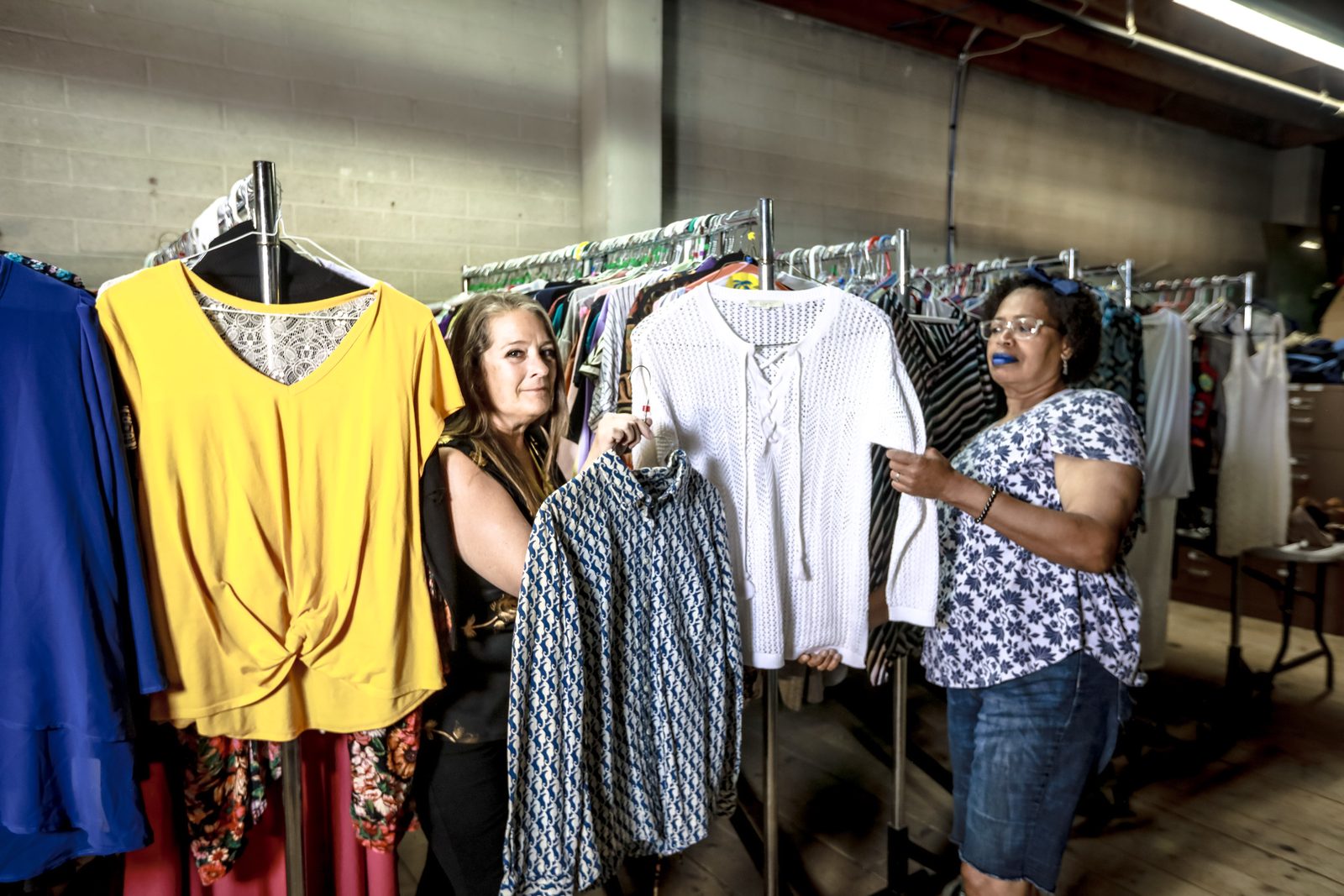
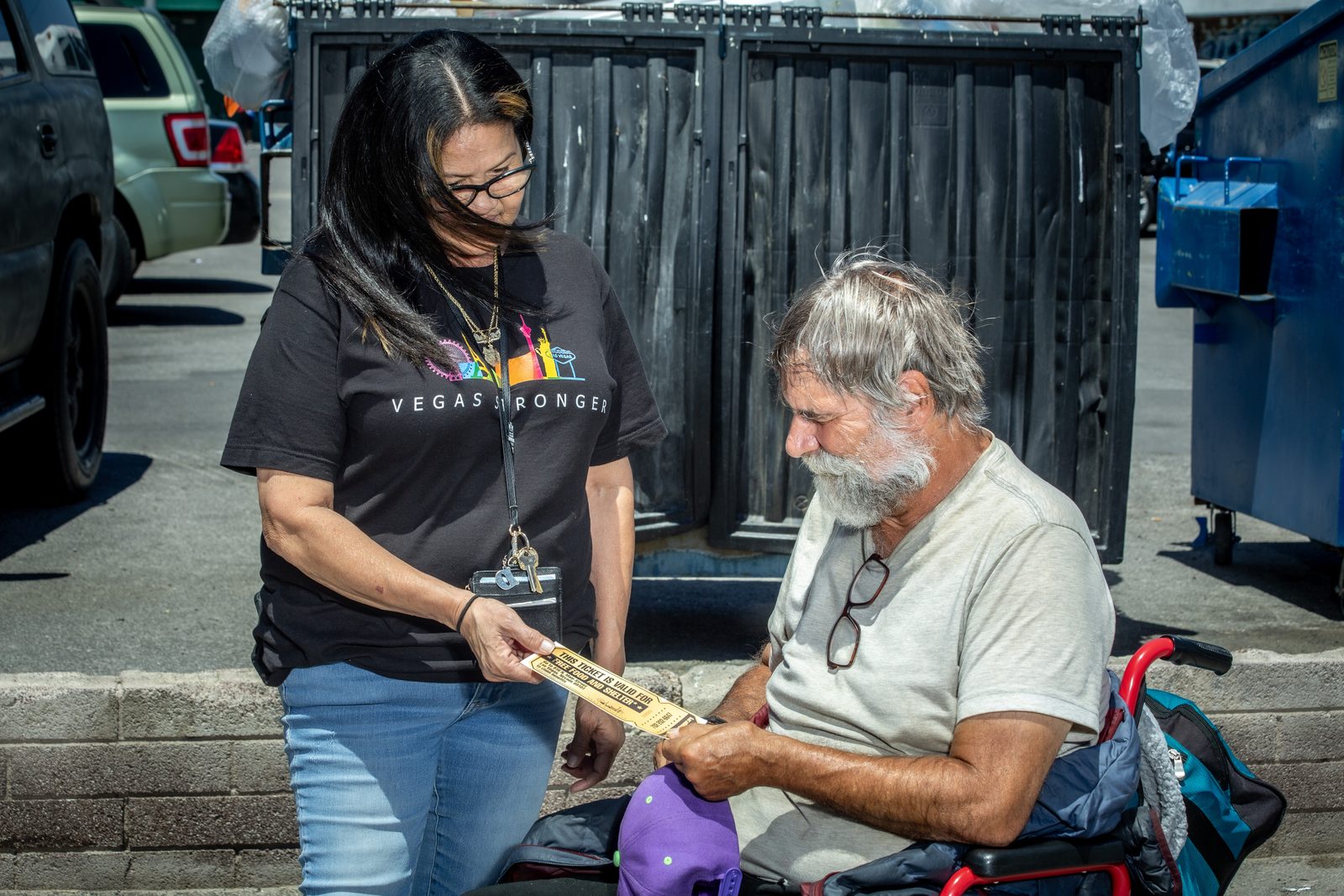
Our case managers at Vegas Stronger start with the basics of survival. They help replace a lost ID, enroll clients in Nevada Medicaid, and figure out where a person is going to sleep tonight. From there we build wraparound support: housing navigation, transportation to and from the place they sleep, clothes and shoes, even coordination for a client’s pet so they do not refuse care to stay with the animal that kept them company on the street. We use housing partners and our own transportation team to build a residential-like system of care for people who are unhoused, so treatment does not collapse the second the session ends. This is what addressing addiction and homelessness together can look like in practice.
When you call other programs, ask them point blank: where does my loved one sleep during treatment, and how do they get here every day? If the answer is a shrug, that program may work for someone with a stable home and a car, but may not work as well for someone without one.
Question 6: Can You Give Me a Written Breakdown of What My Insurance Will Pay and What I Will Owe?
Ask for a written benefits verification with real dollar amounts before you sign anything. “We accept your insurance” and “your insurance covers this” are two completely different sentences, and the gap between them is where families get a surprise bill.
Vegas Stronger accepts Nevada Medicaid, Blue Cross Blue Shield, Aetna, Cigna, and UnitedHealthcare. When you shop programs, ask each one for a benefits verification that spells out four things in writing: your deductible remaining, your coinsurance percentage, your out-of-pocket maximum, and your estimated patient responsibility in actual dollars for the recommended level of care. Not “we will work with you.” A number. If your loved one has Medicaid, coverage for mental health and substance use disorder treatment is a protected benefit, and you can read the plain-language basics of mental health and substance use coverage to know what to expect from public plans.
A program that will not put cost in writing before admission is protecting itself, not you. Programs that verify benefits and hand you the breakdown up front may help you trust the number rather than fight the bill later.
Question 7: What Evidence-Based Therapies Does the Program Use, and How Often?
Ask which specific therapies the program uses and how many hours per week your loved one will actually receive them. The modalities and the frequency together tell you whether the program follows clinical guidelines or just fills the day with busywork.
Ask whether the program uses cognitive behavioral therapy, dialectical behavior therapy, motivational interviewing, trauma-informed care, and medication-assisted treatment, which are approaches recommended by the Substance Abuse and Mental Health Services Administration and the American Society of Addiction Medicine. Then ask how many hours per week your loved one will spend in individual therapy, group therapy, and psychiatric sessions. Three hours a week is not intensive outpatient no matter what the brochure says, and a program that cannot give you a schedule is a program that does not have one.
At Vegas Stronger those same evidence-based therapies run through every level of our PHP to IOP to outpatient continuum, delivered by licensed clinicians, not by a rotating cast of untrained aides. When you compare answers across three programs, the difference in structure shows up fast. One will hand you a weekly schedule with named therapies and hour counts. Another will talk about their philosophy and never mention a single hour.
Question 8: How Long Do Most Clients Stay in the Program?
Ask how long participants typically stay, because the answer reveals whether the program treats addiction as a chronic condition or a quick fix. The National Institute on Drug Abuse has found that people with a substance use disorder often need at least 90 days of treatment to see lasting benefit, and many need six months or longer, though every person’s timeline is different.
If a program tells you most clients complete in 28 days, ask the obvious follow-up: what happens on day 29? If your loved one still has untreated trauma, no housing, and the same triggers waiting at home, a 28-day discharge may send them straight back into the crisis that started all this. We at Vegas Stronger are, on purpose, the antithesis of a 28-day rehab. Many of our participants stay with us for around six months because that is roughly how long the process of rebuilding a life can take for some people.
A short program is not automatically a bad program, but a short program with no plan for what comes after can become a revolving door. When you ask this question, listen for whether the length of stay is driven by your loved one’s real progress or by a calendar and an insurance authorization running out.
Question 9: Is the Program Accredited by Independent Organizations That Verify Quality and Safety?
Ask whether an outside body has inspected the program and confirmed it meets national standards. Third-party accreditation means someone other than the marketing department has audited the care, and it is one of the strongest signals you have as a family.
Ask specifically whether the program holds Joint Commission or CARF International accreditation, whether it carries LegitScript certification, and whether it has achieved Candid Platinum Transparency. Vegas Stronger holds Joint Commission accreditation, LegitScript certification, and Candid Platinum Transparency, and we are a designated Clark County Coordinated Entry provider. Each of those is an independent body verifying that we meet national standards for behavioral health care and submit to regular review. The Coordinated Entry designation also means we are plugged into the county’s official system for connecting unhoused residents to services, which matters a great deal in a city with the housing pressures Las Vegas has.
Do not take a program’s word that it is “fully accredited.” Ask by whom, and check the certifying body’s website yourself. You can also confirm a program’s basic licensing through the federal treatment locator at FindTreatment.gov. A real accreditation is public and verifiable. A vague claim is not.
Question 10: What Happens After My Loved One Completes the Primary Phase of Treatment?
Ask what the program does for the year after discharge, because that is when relapse risk can be highest for some people. A program that hands your loved one a printout of meetings and says good luck has done nothing to prepare them for the hardest stretch.
Ask four things: does the program offer step-down levels of care, can clients come back if they struggle, does case management continue after the primary phase ends, and will the program help coordinate sober living, ongoing psychiatric care, and peer support here in Las Vegas rather than telling your loved one to figure it out alone. At Vegas Stronger the continuum steps down through PHP to IOP to outpatient, our case managers stay involved, our peer support specialists and psychiatric prescribers keep going, and because we don’t have a three strikes rule, the door stays open if someone stumbles. That continuity is the whole point of a recovery oriented system of care.
When you compare programs, the discharge plan is where the differences become clear. One program plans for the year ahead. Another ends its responsibility at the exit door. Ask the question, write down the answer, and trust what the answer tells you.
These are the questions to ask before choosing a rehab, and the program that answers all ten in plain, documented terms may be worth trusting with your loved one. Call Vegas Stronger today at (702) 234-1356 to ask these questions and get specific, written answers that help you make an informed decision about your loved one’s care. If your loved one is ready right now, so are we, with same-day access and no waiting list. If you need to talk something through first, the free, confidential national helpline from SAMHSA is open 24/7 as well.
Find the Right Answers for Your Family
Choosing rehab is one of the most important decisions you’ll make, and you deserve clear, honest answers to every question that matters. If you’re still weighing your options or want to talk through what treatment at Vegas Stronger looks like for your loved one, our team is here to listen without pressure or judgment. A brief conversation can help you feel more confident about the path forward.
Individual results vary considerably. Every person’s recovery is different, and no program can predict or guarantee any specific outcome. The experiences described reflect individual cases and should not be interpreted as typical results.