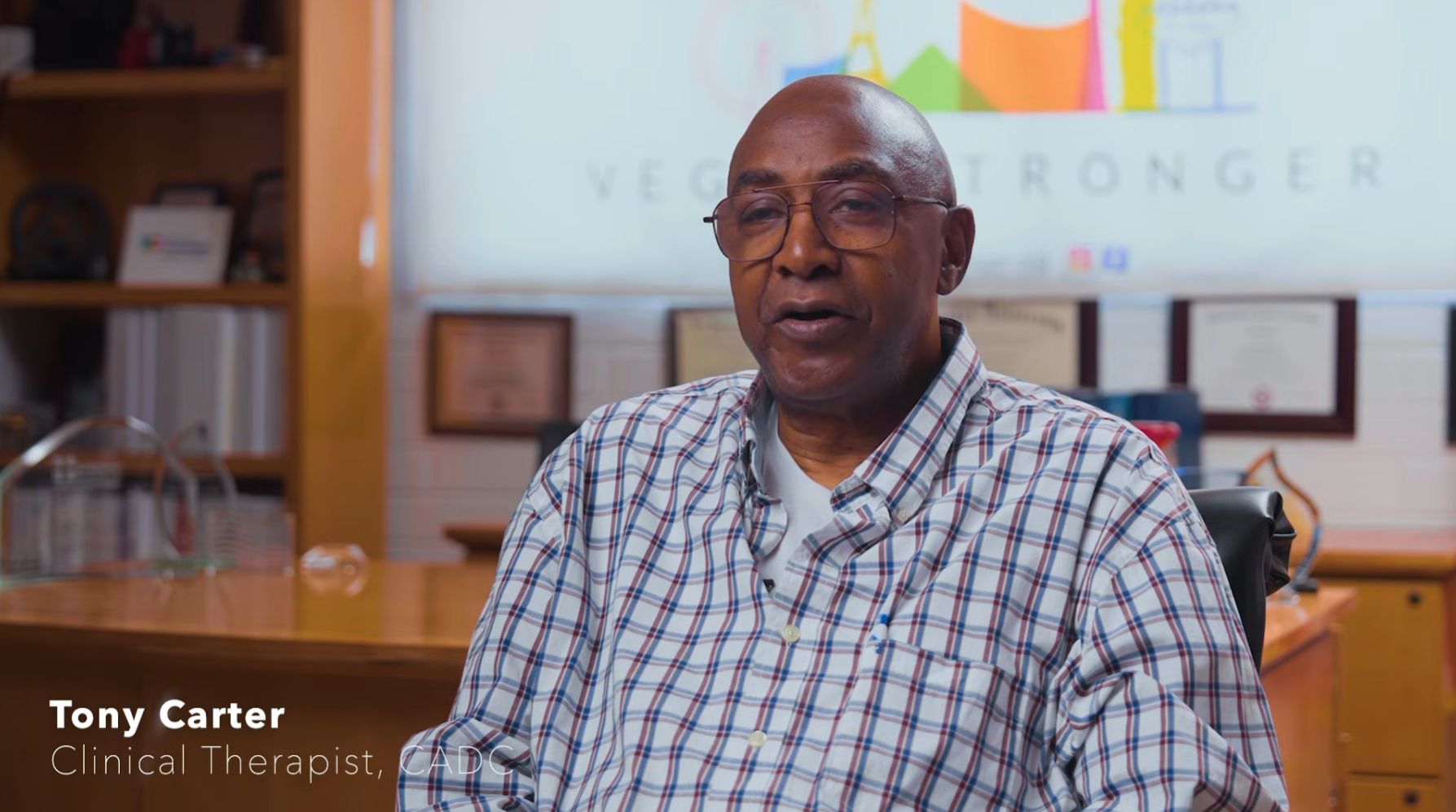
Expertise provided by David Marlon, Owner
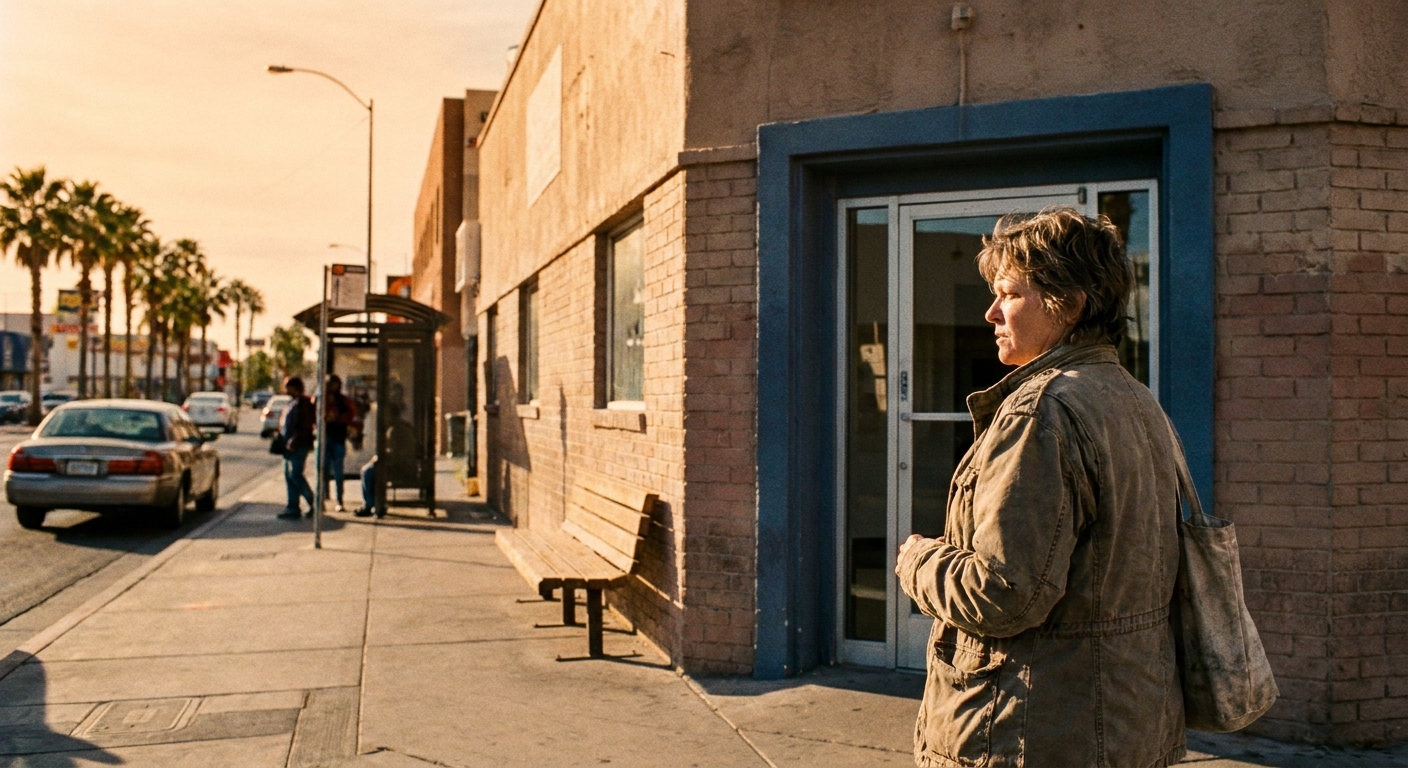
You walk into the lobby at 916 N. Main Street. You are not sure where the restroom is, and the first person who speaks to you is not behind a desk holding a clipboard. Often that person is a peer support specialist, and at Vegas Stronger the peer’s job starts right there, before anyone hands you a form. If you have been through programs before, you may expect a peer to tell a war story and then disappear. If you are a parent, spouse, or adult child reading this for someone you love, you may just want to know who will be sitting next to them. This guide walks you through what a peer support specialist in Las Vegas does at Vegas Stronger, from the first ten minutes to the sixth month.
Peers use that experience, plus formal training, to support people who are seeking recovery. SAMHSA’s peer support specialist fact sheet describes peers as part of the behavioral health workforce who offer non-clinical support grounded in their own recovery. A peer is not your therapist, your prescriber, or your sponsor. At Vegas Stronger, your peer is the person on the team whose whole job is to understand what this experience can feel like from your side.
1. The Job Starts in the Lobby, Seven Days a Week
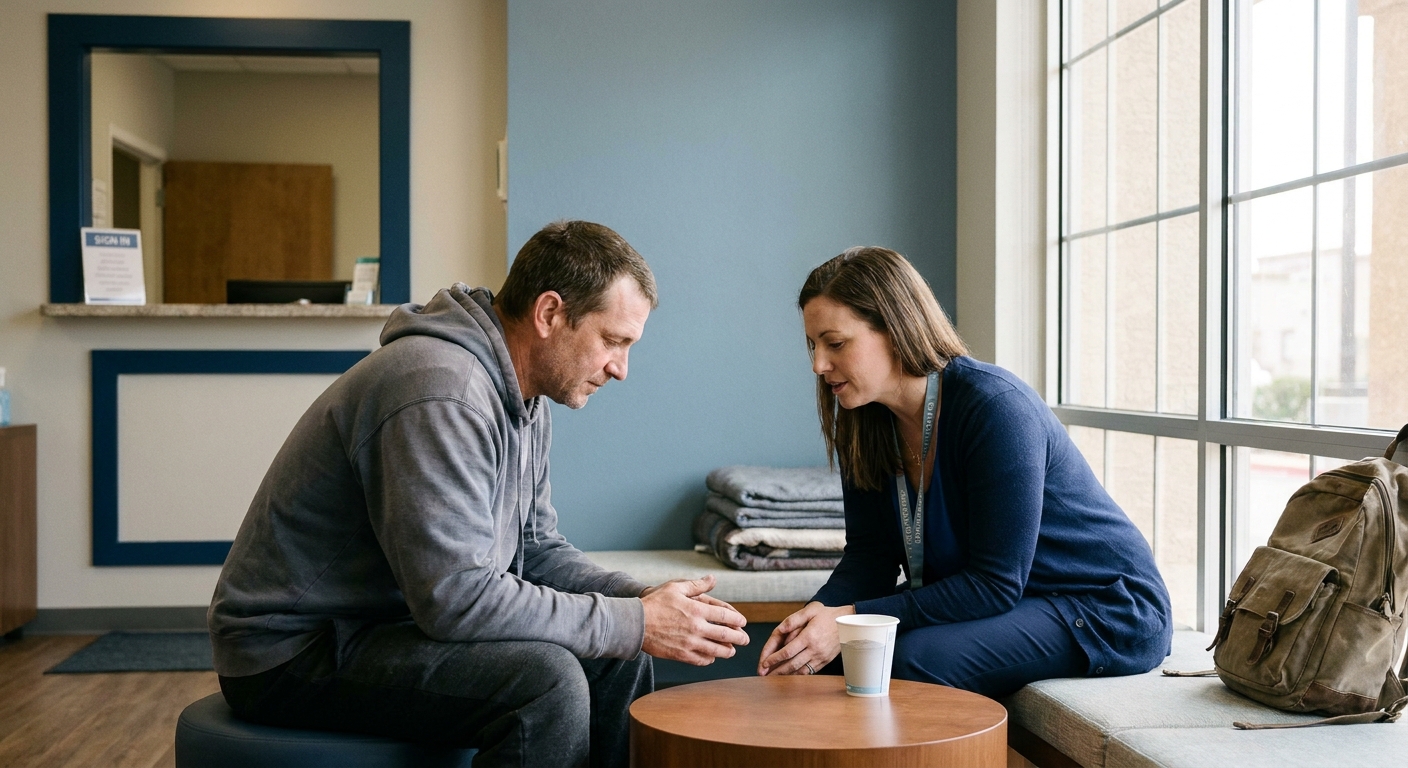
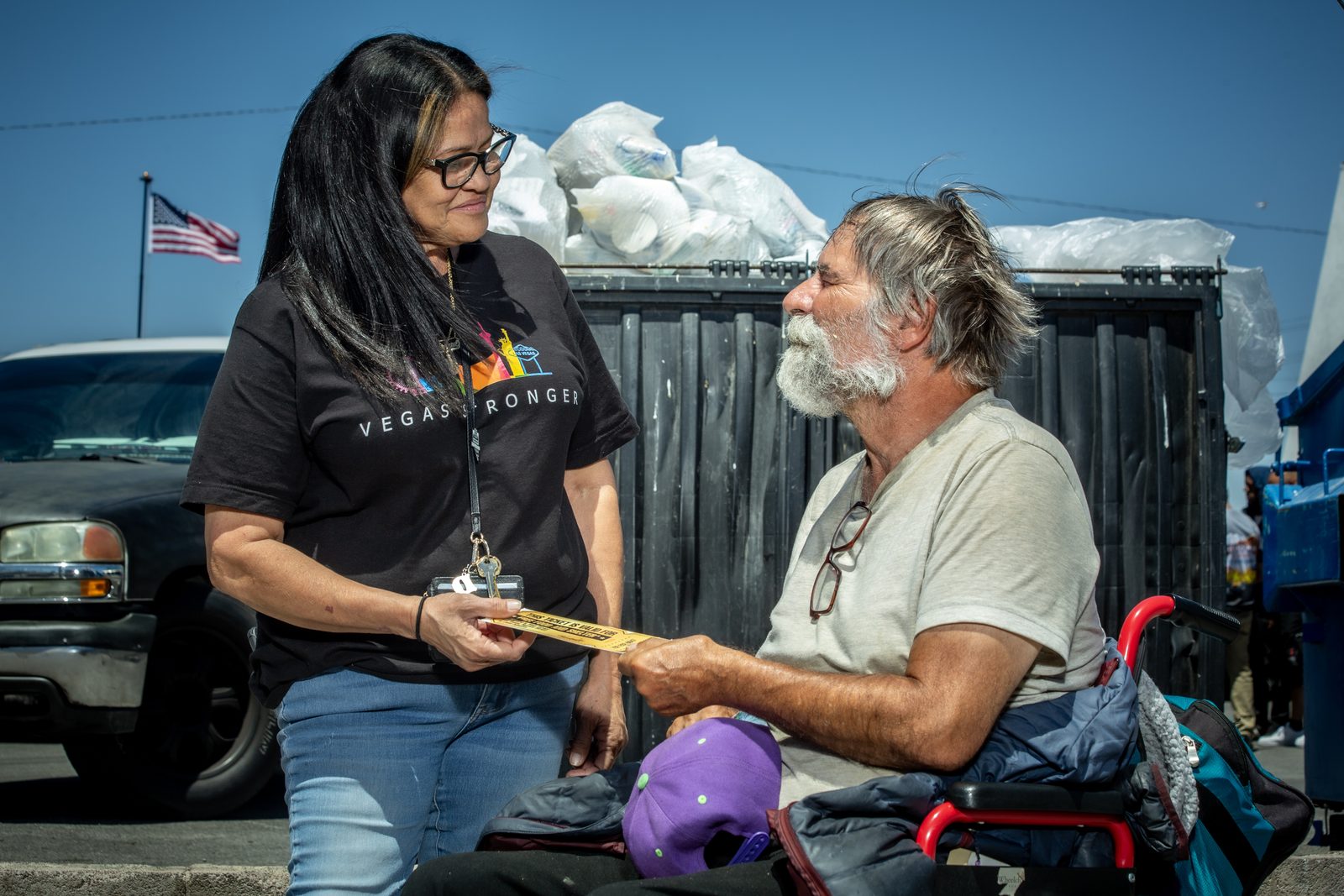
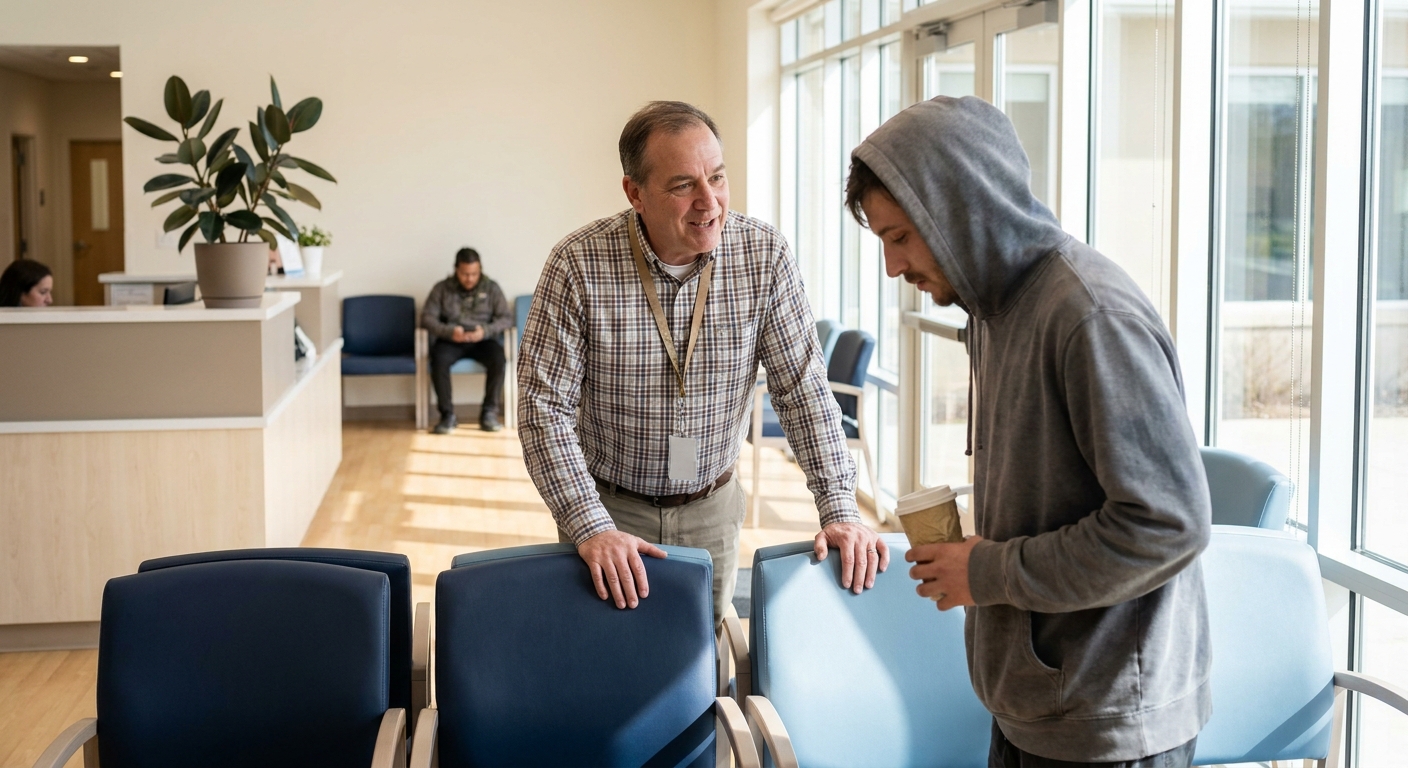
At Vegas Stronger, peer support specialists work the lobby and waiting room seven days a week, and their first job is to meet your basic needs before anyone talks about paperwork. They point you to the restroom, bring you food or clothes if you need them, and start building trust.
That order is on purpose, and it comes from where Vegas Stronger sits. The clinic is in the Corridor of Hope in downtown Las Vegas, where the shelters, outreach teams, and service agencies are, and where many unhoused people live. The clinic’s CEO has worked in the Corridor of Hope for 10 years. He has been in the tunnels under the city 100 times, he has been to all the shelters and most of the camps, and a lot of people downtown know him by name. That history shapes the lobby, because a person who slept outside last night and has not eaten since yesterday may find it hard to focus on a consent form, and nobody at Vegas Stronger pretends otherwise.
Once you and the peer have a connection, they do an assessment of their own. It is separate from the clinical assessment your therapist will do later. The peer often shares a piece of their own story and then explains how the process at the clinic works: who you will see next, in what order, and what each person is there to do. If you have ever sat in a waiting room with no idea what happens after your name is called, you know how much that explanation can matter.
The seven-day coverage matters because a crisis does not keep office hours, and the decision to walk in may only hold for one afternoon. Many people Vegas Stronger serves today have been through treatment before. Many have done intakes that opened with insurance questions and a pile of forms, so starting with the restroom, a sandwich, and a person who has been where you are may signal that this place works differently.
2. How Is a Peer Support Specialist Trained and Certified in Nevada?
A Nevada Peer Recovery Support Specialist (PRSS) is trained, not just experienced.
People sometimes assume a peer is just someone telling a war story, but the role involves formal training. The coursework Vegas Stronger describes covers understanding recovery, the disease of addiction, the different substances, and their signs and symptoms. That training helps a peer notice when something is off and know when to bring in the clinical team. Research on peer services, including this review of how peer support works, points to shared lived experience as a core part of the role, and the training is what turns that experience into skilled support.
Lived experience runs through the whole organization. The CEO and the medical director are both in long-term recovery, with 30+ and 20+ years, and each person on the transportation team is in recovery too. Peer support specialists often share a story of their own, so the people walking beside you know the road from the inside.
You may find yourself asking your peer how they got into this work. Here is the general path. Confirm current hours, fees, and forms with Nevada’s peer certification board before you enroll, because requirements change.
How to become a certified PRSS in Nevada:
- Be in your own recovery and able to talk about it with purpose. The board sets how long you need to be in stable recovery.
- Meet basic eligibility. Peer boards typically require you to be an adult with a high school diploma or equivalent.
- Complete approved training that covers recovery, the disease of addiction, different substances, and signs and symptoms, along with ethics and boundaries.
- Log your supervised practice hours. Vegas Stronger describes this as 400 hours for a Nevada PRSS.
- Pass the certification exam if the board requires one for your track.
- Apply, sign the code of ethics, and receive your state certification.
- Renew on schedule with continuing education, and work toward the supervisor level (PRSS-S) as you gain experience.
Lived-experience and training requirements to expect:
- Personal lived experience of recovery from substance use, a mental health condition, or both. Some peer tracks also recognize recovery from problem gambling, so ask the board which tracks it currently offers.
- A period of stable recovery set by the board.
-
Training hours in core recovery topics, ethics, and boundaries.
-
Ongoing supervision once you are working.
- Continuing education to keep the credential active.
How much do peer support specialists earn in Las Vegas? Vegas Stronger does not publish wage figures here, and pay changes often, so check current Las Vegas job postings for real numbers. These factors generally shape pay:
- State certification opens more jobs, and often better pay, than uncertified roles.
- Supervisor certification (PRSS-S) and years of experience tend to raise pay.
- The type of employer matters, since hospitals, government programs, and nonprofits budget differently.
- Evening, weekend, and street outreach shifts may pay differently than weekday clinic hours.
Where are peer support specialist jobs in Las Vegas? Peers work across the local system of care, including:
- Outpatient addiction and mental health programs, where peers support clients in PHP, IOP, and OP
- Medical detox and withdrawal management programs
- Hospital emergency departments and behavioral health units
- Homeless outreach teams, shelters, and coordinated entry programs
- Crisis response teams and crisis lines
- Jail reentry and specialty court programs
- Problem gambling treatment and recovery programs
- Recovery community organizations and recovery housing
If you are in recovery and decide down the road that this is work you want, Vegas Stronger helps clients who choose to change careers work through that change. Nobody is required to change careers.
3. Every Client Gets a Peer and a Separate Peer Plan at Same-Day Intake
Now that you know who peers are, here is when you meet yours. Every Vegas Stronger client is assigned a peer support specialist during same-day intake, and together you build a separate peer plan that sits alongside your clinical treatment plan, not inside it.
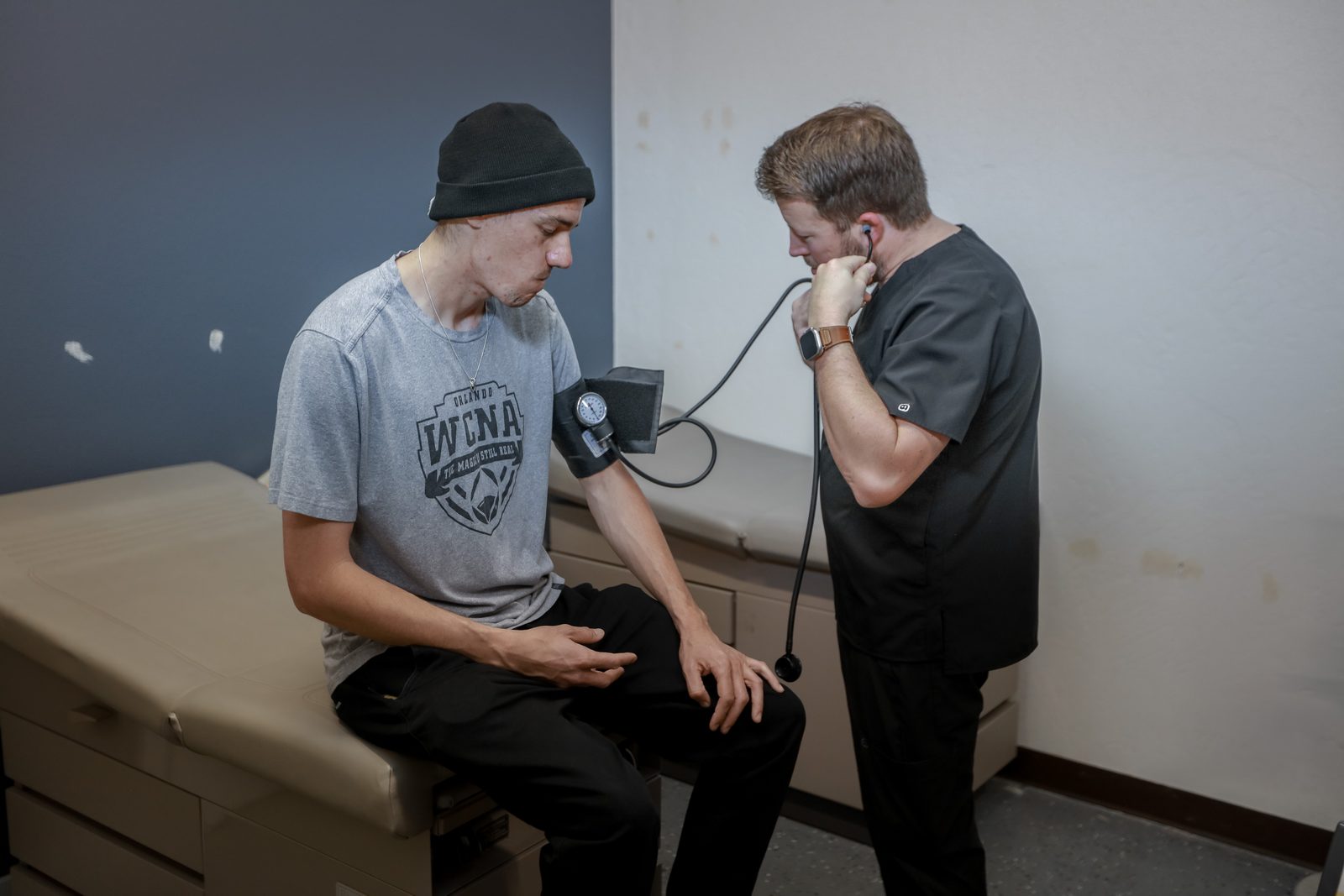
Knowing the full order ahead of time can lower the fear, so here it is step by step. Vegas Stronger offers same-day access with no waiting list. Front desk staff help you sign a consent to treat and fill out some screens, and someone asks if you are hungry or thirsty and gets you something. Then you are walked to a therapist for a clinical assessment, which starts your treatment plan. After that you see a psychiatric prescriber, who does an assessment and a psych eval and talks with you about medication assisted treatment. A medical assistant orders long-acting injectables whenever possible to reduce missed doses, arranges for medications to be delivered, and does blood draws and an observed urinalysis. Then you meet your peer support specialist and build your peer plan. Next, case management helps with your ID, makes sure you are enrolled in Medicaid, figures out where you will sleep, sorts out other medical issues, helps with your pets, and finds shoes or clothes if you need them.
The peer plan is different from the therapy plan. Your treatment plan is clinical, covering diagnoses, therapy goals, and medication. A peer plan is generally built around your recovery in your own words: what you want your life to look like, what has gotten in your way before, and what support might help you keep showing up. Federal guidance on integrating peer specialists into treatment teams stresses keeping the peer role distinct from clinical roles, and the separate plan is how Vegas Stronger keeps that line clear.
Vegas Stronger is also a designated Clark County Coordinated Entry site, so the team can start connecting you to housing resources during the same visit instead of sending you on a separate trip across town. Before you leave, staff tell you which group to attend tomorrow and at what time. The transportation team takes you to the place you will sleep and schedules your pickup. You walk out with a plan for the next 24 hours.
4. Why Does the Peer Sit on the Same Team as the Psychiatrist and Counselor?
Peers at Vegas Stronger sit on the same team as the psychiatrist, counselor, case manager, and fitness staff because, in the CEO’s words, it is “same team, same client, same treatment goals.” Peers connect with clients and often uncover information that the rest of the team needs to know.
Think about who you tell the truth to. You might downplay things to a prescriber because you are worried about your medication, or hold back with a counselor in the first few weeks. With someone who has been there, it may be easier to say you have not slept, you are worried about your housing, or you used over the weekend. When the peer is on the same team, that information can reach the people who can act on it, whereas when peer support is a separate add-on down the hall, it may not.
The CEO remembers one man, and we are leaving out any detail that could identify him. He came in talking a big game, but he connected right away with his psychiatrist, his case manager, his peer support specialist, the fitness trainer, the yoga instructor, his counselor, and the CEO. He was sure he could keep some recreational drug use going. He had multiple recurrences and multiple incarcerations between treatment episodes, and each time he came back he looked worse and more beaten up. He kept coming back anyway, because Vegas Stronger does not have a three strikes rule, as many commercial treatment centers do. He has told the team he is currently abstinent from drugs and alcohol and is working on rebuilding his life. The CEO says, “I wouldn’t call him a success story today but I would call him a work in progress.” This is one person’s experience, not a typical one.
That story is one reason the whole team stays connected. Vegas Stronger sees itself as “the last house on the block,” an integrated behavioral health care option for underserved people in Las Vegas, and some people need two, three, or ten treatment episodes. When you come back, the peer who knows your story is part of the same team that welcomes you back.
5. What Does Peer Support Look Like Across a Six-Month Stay?
Coming back is part of the picture, and so is staying. Across a long stay at Vegas Stronger, your peer can be a steady face from PHP through IOP and outpatient care, including through setbacks. The average Vegas Stronger client stays about six months, and many clients stay more than a year, though every person’s length of stay depends on their own needs.
Vegas Stronger is very different from a 28-day rehab. The program’s view is that people have real mental, behavioral, physical, and social rebuilding to do, and that a support system around them can help with that work. In PHP, you get five or six days a week of intensive counseling and individual sessions, supported by case management, psychiatric care, and peer support. When you are stable, you step down to IOP, which meets three days a week for three hours per group, with groups offered seven days a week in the morning, afternoon, and evening. Then you move to outpatient care.
The practical support is part of how the program is designed. Clients are fed during IOP, and the transportation team, each of whom is in recovery, picks people up and brings them back. Vegas Stronger’s leadership says feeding and transporting clients may support attendance, because integrated care depends on being in the room. Some clients have told the team that the drivers are the people they remember most. IOP also includes a personal trainer three times a week, recovery yoga, an entrepreneur class on managing money, and a theater program.
Here is what a hard week can look like. Say you miss a group because the place you were staying fell through. On a program with a strict attendance rule, that could be the end. At Vegas Stronger, your peer and case manager find out what happened and work the problem, and the transportation team can arrange a ride to group the next day. Your peer plan gets adjusted, not thrown out.
6. What a Peer Does Not Do: Clinical Limits and Detox Referrals
Knowing what your peer does also means knowing where the role stops. A peer support specialist does not diagnose, prescribe, or replace your therapist. At Vegas Stronger, those jobs belong to psychiatric prescribers, therapists, and case managers. Vegas Stronger is outpatient only, offering PHP, IOP, and OP, and does not provide detox.
Those clear limits are meant to protect you. SAMHSA’s fact sheet frames peer work as non-clinical support, and that is how Vegas Stronger uses it. Your peer can help you understand what your prescriber said, encourage you to bring up a side effect, or sit with you before a hard therapy session. Vegas Stronger’s trauma-informed PHP and IOP use CBT, DBT, Seeking Safety, and somatic approaches. More intensive trauma work like EMDR comes later, once you are stable and your primary substance use disorder is addressed.
Detox decisions follow the same logic. During same-day assessment, the therapist and prescriber look at your withdrawal risk using tools like the CIWA-Ar for alcohol and the COWS for opioids, along with your history of seizures, current medications, and vital signs. Vegas Stronger’s rule is that the right level of care comes before the treatment approach. If you drink heavily or take benzodiazepines every day, do not stop suddenly on your own. Get assessed first, because withdrawal from those substances can be dangerous.
When detox is needed, Vegas Stronger does not just hand you a phone number. The team checks your insurance and bed availability, calls and arranges the admission at one of the six detoxes in Las Vegas, and has a driver take you there. They ask you to sign a release of information so they can stay in touch while you are there, and they pick you up afterward to start PHP, IOP, or OP. Getting into detox on your own is often hard, which is why the team says it is often better to come to Vegas Stronger first to get assessed. When you come back, your peer plan picks up where it left off.
7. How Do You Get Started With a Peer Support Specialist in Las Vegas?
To start with a peer support specialist in Las Vegas, walk into Vegas Stronger at 916 N. Main Street any day of the week, or call, since the team takes calls 24/7. You do not need to have everything figured out before you come, and you do not need insurance authorization to begin getting help.
You may be worried this is one more place that will run your insurance and send you away. Vegas Stronger accepts Medicaid, and case management can help you enroll if you are not covered yet. Vegas Stronger also accepts Aetna, Blue Cross Blue Shield, Cigna, and UnitedHealthcare, though it is not in-network with those plans. If you have a commercial plan, federal mental health and addiction parity rules generally require that limits on substance use benefits not be stricter than limits on medical care.
You may also be worried about being judged, or about getting kicked out if you slip. Vegas Stronger does not have a three strikes rule. The program is abstinence-based, and medication assisted treatment is used as a tool to support recovery, not as a substitute for it. Options include buprenorphine, extended-release buprenorphine, oral naltrexone, Vivitrol, and acamprosate, all prescribed on site by psychiatric prescribers as part of evidence-based care. Your peer is there from day one to help you make sense of all of it.
If you are the one making calls for a son, a wife, or a parent, you are probably tired and scared, and maybe afraid they will refuse to go or walk out after a week. That fear makes sense, especially if you have watched them leave programs before. You can call on their behalf, and the team can help arrange an assessment. If they leave early or come back after a setback, the door is still open, because people often need more than one treatment episode, and the peer who met them the first time is part of the team that meets them again.
Here is the first visit in plain steps:
- Walk in or call, and tell the front desk you want to get started today.
- Bring any insurance card or Medicaid information you have. If you have none, come anyway.
- Meet the therapist, the psychiatric prescriber, and the medical assistant.
- Meet your peer support specialist and build your peer plan.
- Meet case management for ID, Medicaid, housing, pets, and clothing.
- Leave knowing your group time tomorrow and who is picking you up.
This is comprehensive support designed around people who have been through repeated cycles of treatment and relapse.
Call Vegas Stronger or walk in at 916 N. Main Street, Las Vegas, NV for same-day intake. Ask to meet a peer support specialist, and bring any insurance card or Medicaid information you have, or just bring yourself. Before you leave that first day, ask your peer to walk you through tomorrow: which group, what time, and who is picking you up.
Talk With Someone Who Understands the Road Ahead
If you have wondered whether a peer support specialist could make outpatient treatment in Las Vegas feel less lonely or less intimidating, you do not have to figure that out alone. Many people hesitate because they worry no one will truly understand what they are going through. Reaching out to the Vegas Stronger office is a simple first step toward learning how this kind of support could fit into your recovery.
Individual experiences and outcomes vary.