PTSD Treatment in Las Vegas: Trauma-Informed Care for Lasting Recovery
You were told you need trauma therapy for your PTSD, but the counselor also said you need to get stable first, and no one explained what stable means or how long that takes or what happens if you cannot afford to wait. You have maybe been living in your car, using something to keep the flashbacks quiet enough to sleep, and the last program you called refused to touch the trauma until you stopped using, which is the one thing keeping the trauma survivable. That is the trap almost every door puts you in, and it is exactly why PTSD treatment in Las Vegas so often fails the people who need it most: the substance use exists because the trauma is untreated, and the trauma cannot be treated while the substance use is running the show, so most programs pick one, send you away, and call it a referral. We built Vegas Stronger to be the last house on the block for people stuck in that exact bind.
What PTSD Treatment Actually Means When Your Life Is Falling Apart in Multiple Directions
Real PTSD treatment for someone in crisis is not one therapy appointment on a calendar. It is stabilizing everything that is on fire at once, the substance use, the psychiatric symptoms, and the fact that you do not know where you are sleeping tonight, so that trauma work can happen safely later instead of never.
Here is what most articles will not tell you. When trauma, addiction, and homelessness are tangled together, treating them one at a time in separate buildings can mean none of them get resolved in the way you hoped. You detox, then you are handed a list of therapists you have no way to reach, and by the time you find one you may be using again to survive the memories. Post-traumatic stress disorder and addiction feed each other, and treating co-occurring PTSD and substance use disorder together, in one integrated program, may help address both conditions in ways that treating them in sequence does not, because pulling these disorders apart clinically can leave each one to reignite the other in some cases.
That is what integrated Behavioral Health Care actually means in practice. We at Vegas Stronger do not treat you as an addiction case in one room and a trauma case in another. The National Center for PTSD describes trauma as something that reshapes how the whole nervous system responds to daily life after a traumatic event, which is why PTSD care has to account for everything a person is carrying, not just the symptom that is easiest to bill. In Las Vegas, where so many adults cycle through emergency rooms, jails, and short-term shelters without ever getting whole-person care, that difference matters.
How Does Trauma-Informed Care Actually Work Before You Are Ready for Trauma Therapy?
Trauma-informed care means we at Vegas Stronger work to stabilize your substance use, your psychiatric symptoms, and your housing situation first, and we only begin trauma processing once it appears clinically safe for you individually. We do not force you to relive the worst thing that ever happened to you while you are in withdrawal, under acute stress, or in the middle of a crisis, and while intrusive thoughts and flashbacks are still running the show.
The guiding question every day is simple: what is the safest level of care for you today? That answer can change hour by hour when someone first walks in. If you are still using, we at Vegas Stronger start medication assisted treatment and long acting injectables through same-day psychiatric evaluation, because you cannot do the deep work of recovery while your body is screaming. We work to stabilize the primary substance use disorder and the mental health symptoms, and we use housing partners and transportation to build a recovery oriented system of care around you, even though we are an outpatient program.
Only once you appear grounded, once there is a real therapeutic alliance and you are no longer in survival mode, do we start peeling back the trauma, one step at a time. In our Vegas Stronger PHP to IOP to outpatient continuum, the trauma work begins with approaches that build coping and safety first: cognitive behavioral therapy, dialectical behavior therapy, group therapy, Seeking Safety, and somatic approaches that may help you feel steady in your own body again. EMDR and exposure sessions come later, only after you are medically and psychiatrically stable and the substance use is addressed. People who promise you EMDR on day one, before any of that is in place, may not understand what is safe for most people in acute crisis.
What Happens When You Walk Through the Door at 916 N. Main Street
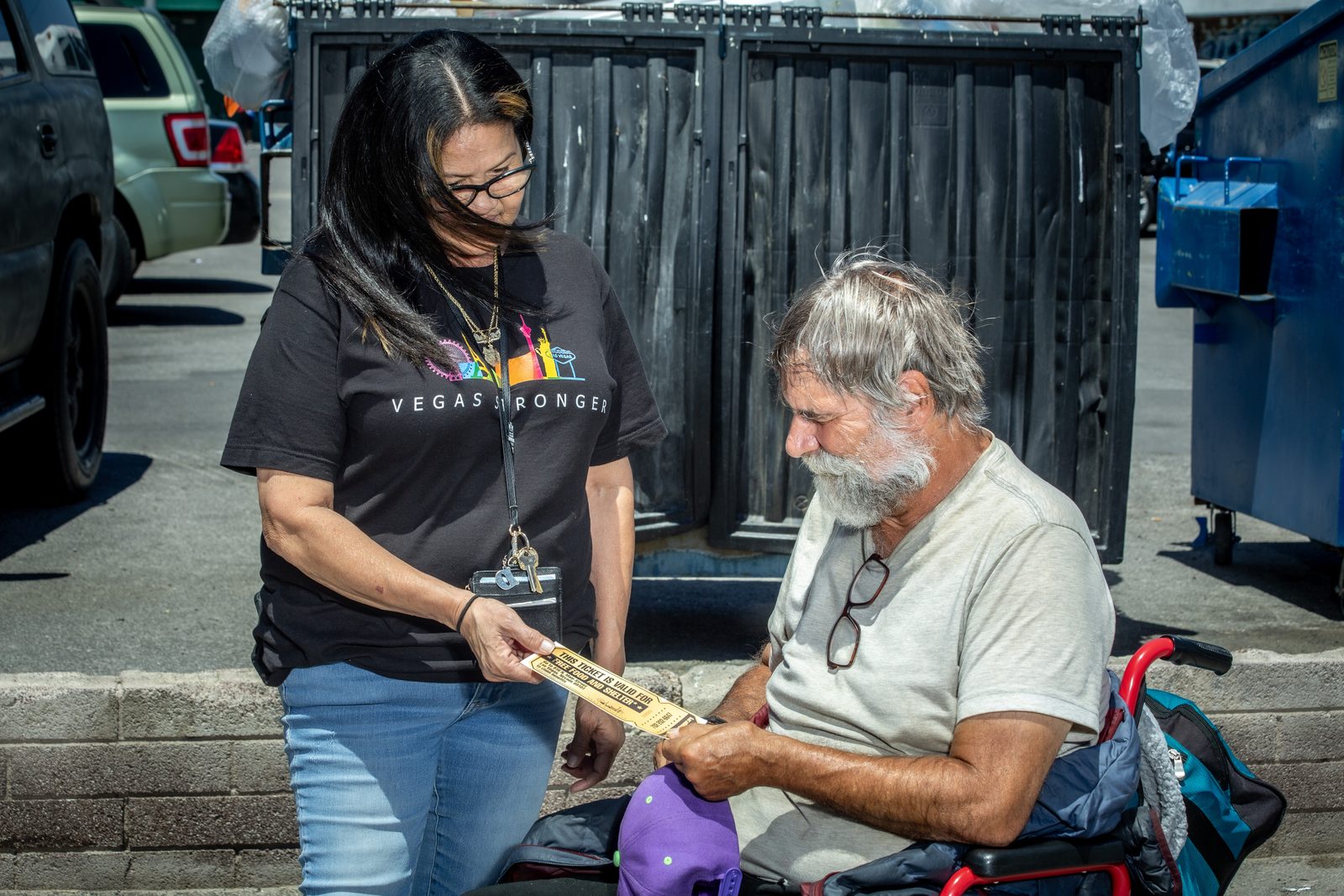
You get same-day access with no waiting list. You walk in to our Vegas Stronger location, you start care that day, and you leave with a plan and a ride, not a phone number and a two-week wait.
Here is how the hours actually go. The Vegas Stronger front desk helps you sign a consent to treat and complete your screens, and yes, they will offer you food or something to drink first, because you cannot think about recovery on an empty stomach. Then a licensed therapist sits down with you for a full multidisciplinary clinical assessment, including a suicide and violence risk screen and a mental status exam, so we understand what you are actually carrying and how acute it is. From there a psychiatric prescriber does a psychiatric evaluation that addresses medication assisted treatment right then, not next month.
A medical assistant orders your medications, draws blood, and does an observed urinalysis so the clinical picture is real and complete. And because treatment does not stick if the rest of your life is unmanaged, you also sit down with a peer support specialist who has walked this road, and a case manager who starts working on the things nobody else asks about: your ID, your Medicaid enrollment, and where you are going to sleep tonight. Care starts the same day. Your first group therapy session is scheduled for the next morning, and we arrange transportation to and from wherever you are staying. Our Vegas Stronger phone line is answered 24/7, so the moment you decide, there is a human on the other end.
Why the Real Barriers Are Housing, Not Willpower
Many adults leave PTSD programs not because those people did not want to recover, but because the real barriers were never willpower. They were housing instability, untreated psychiatric symptoms, and total social isolation, and a 28-day program with a three strikes rule has no answer for any of that.
One client we at Vegas Stronger treated came in carrying untreated trauma, no housing, and a substance use disorder that kept recurring, and he kept coming back. A typical three-strikes, 28-day program would have discharged him after the second return and blamed him for it. We do not have a three strikes rule. Instead he connected with the whole team over time, the psychiatrist, the case manager, the peer support specialist, the fitness trainer, the yoga instructor, the counselor, and even the CEO, because the thing keeping him sick was not a lack of trying. It was that he had nowhere safe to be and no one steady in his life.
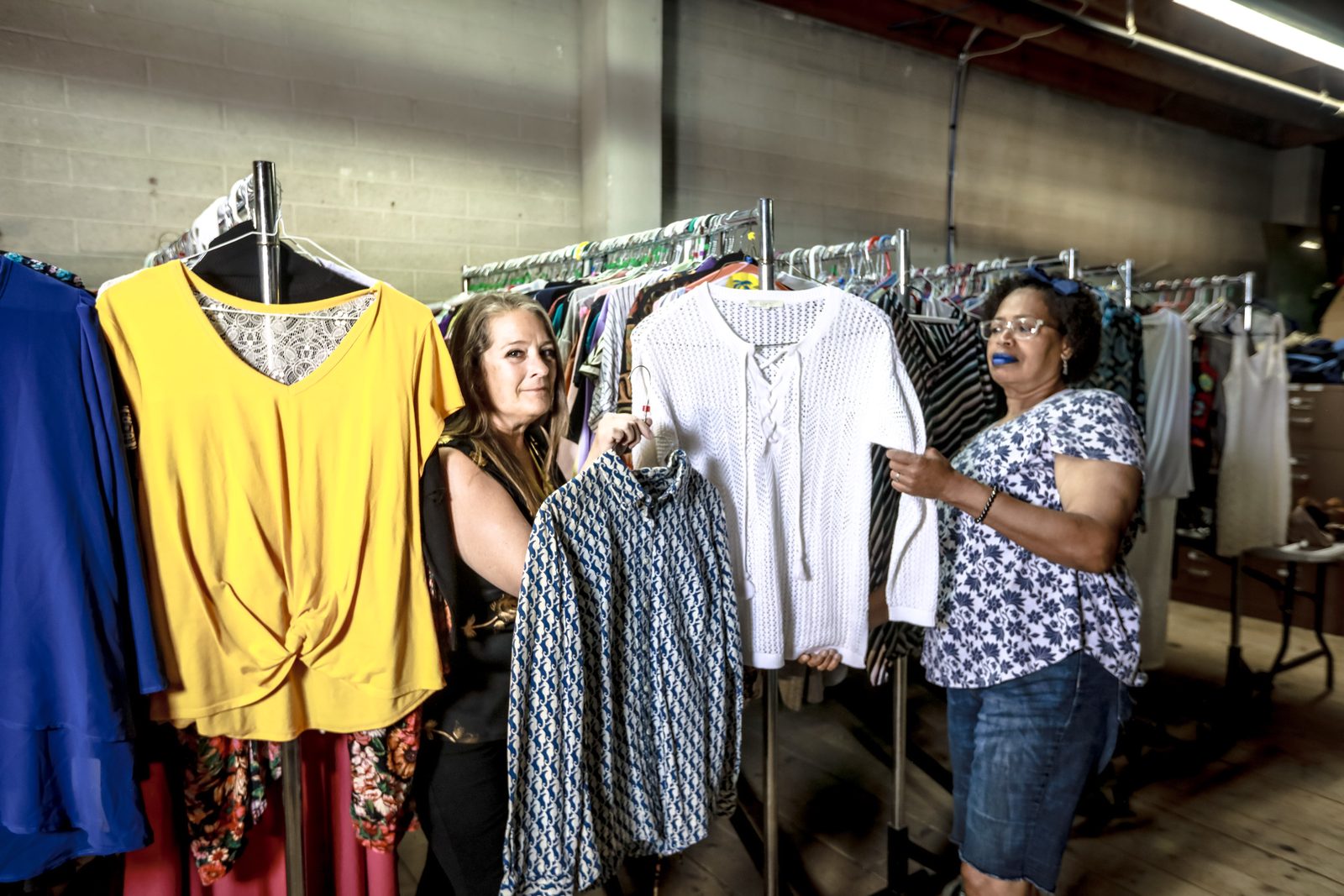
So the wraparound support went to work on the real barriers, because that is what gives clients the best chance to stay. Transportation to get him to group. Housing navigation through our Vegas Stronger housing partners. Psychiatric care and MAT to help quiet the symptoms enough to function in his case. Case management that handled his ID, his Medicaid, clothes and shoes, and even coordinating care for his pet, because those are the things that can make a person walk away from treatment. This is the antithesis of a 28-day rehab. One person we treated stayed around six months, because trauma recovery and the long road of rebuilding a life take time, not a fixed number of days. He is currently abstinent and rebuilding, still connected to the team that refused to give up on him, though his journey is not finished.
PTSD Treatment Las Vegas: Who Delivers Your Trauma Therapy?
Your trauma therapy at Vegas Stronger is delivered by licensed clinicians with decades of local experience and, in several cases, decades of their own recovery. This is not a rotating staff of strangers reading from a script.
The Vegas Stronger clinical director and clinical manager are both Licensed Clinical Social Workers with roughly twenty years each practicing right here in Las Vegas, so they know this city, its systems, and the population that keeps falling through its cracks. The Medical Director is an active MD with more than twenty years of his own recovery, which means the person overseeing your medication assisted treatment understands what you are facing from both sides of the desk. The CEO is a PsyD who also holds LADC-S, CPC, and PRSS-S certifications and carries more than thirty years of recovery. When we say we understand the whole problem and not just the symptoms, that is where it comes from.
Credentials only matter if someone independent is checking them, so ours are verified, not self-reported, and that is one measure of the quality of care behind every treatment plan. Vegas Stronger is state co-occurring enhanced licensed, Joint Commission Accredited, LegitScript certified, and holds Candid Platinum Transparency. We are also a designated Clark County Coordinated Entry site, which means we are embedded inside the county’s housing and crisis response system rather than standing off to the side of it. For anyone who has been turned away because they had no insurance or no address, that designation is why we can say yes when others say wait.
When Is It Safe to Start Trauma Therapy, and What If You Are Not Ready Yet?
It may be safe to start trauma processing once you are medically and psychiatrically stable, grounded in daily life, and have real support around you. If you are still in withdrawal, in a psychiatric crisis, or unsure where you are sleeping, it may not be time yet, and pushing you into exposure work to relive the traumatic event anyway could retraumatize you in some cases.
Think of trauma like an onion. Peeling back the outer layers before you are steady does not heal anything, it just opens the wound wider while you have nothing to hold on to. So the plan is built around helping you get grounded first. We treat the substance use, we work to get the psychiatric symptoms managed, we use housing partners and transportation to create stability even in an outpatient setting, and we build the social supports that keep you from facing the memories alone. Only then, layer by layer, do we begin the trauma work itself.
And if you are not ready today, that is not a failure and it does not get you sent away. The treatment plan adjusts. Some weeks the safest level of care is just showing up, eating, sleeping somewhere safe, and taking your medication. Southern Nevada has real crisis resources for the acute moments, and Clark County’s crisis stabilization options exist for exactly those situations. Our job is to meet you at whatever level you are at that day, keep you connected, and move forward only when it appears genuinely safe to. That is what honest PTSD treatment in Las Vegas looks like.
Frequently Asked Questions
Can I start PTSD treatment if I am still using substances?
Yes. We provide same-day MAT and stabilization so trauma therapy can begin safely once you are medically stable, not months down the road. You do not have to stop using before you walk in.
What does trauma-informed care mean in a real crisis?
It means we work to stabilize your substance use, psychiatric symptoms, and housing first, then treat the trauma only when it appears clinically safe for you. We do not force exposure work during withdrawal or crisis.
Do I need insurance or stable housing to start PTSD treatment at Vegas Stronger?
No. Same-day intake includes Medicaid enrollment support, housing navigation through our partners, and transportation, so you can start care the same day even if you are unhoused right now.
How long does PTSD treatment take at Vegas Stronger?
Some people stay around six months, though length of treatment varies by individual. We have no three-strikes discharge policy, because trauma recovery needs time and wraparound support, not a fixed 28-day clock.
What trauma therapy approaches does Vegas Stronger use?
CBT, DBT, Seeking Safety, group therapy, and somatic approaches in our PHP and IOP levels, stepping down to EMDR and exposure sessions once you are medically and psychiatrically stable.
Is Vegas Stronger accredited for co-occurring PTSD and substance use treatment?
Yes. We are state co-occurring enhanced licensed, Joint Commission Accredited, LegitScript certified, hold Candid Platinum Transparency, and are a designated Clark County Coordinated Entry site.
Call Vegas Stronger 24/7 at (702) 234-1356 or walk in to 916 N. Main Street in Las Vegas for same-day PTSD treatment, MAT, housing support, and trauma therapy with no waiting list. You do not have to get stable somewhere else first. Getting stable is what we do.
Take the First Step Toward Healing from Trauma
Living with PTSD can feel isolating, and reaching out for help takes real courage. At Vegas Stronger, our trauma-informed approach meets you where you are, without judgment or pressure. If you’re ready to explore how specialized PTSD treatment in Las Vegas can help you reclaim your life, our team is here to listen and guide you through your options.
Treatment outcomes vary by individual. Each person’s recovery is different, and no one person’s experience represents what another person will experience in care.