Your loved one finished detox three weeks ago and used again yesterday. Now someone in the family is saying “if they really wanted to stop they would just stop,” but that is not how opioid addiction works in the brain, it is not how methamphetamine works either, and pretending willpower is enough has cost lives in Las Vegas. People may benefit from medication, therapy, and a plan at Vegas Stronger that treats their substance use disorder like the chronic condition it is. If you are up late typing “what are the hardest addictions to quit?” into your phone, you probably do not want a ranking. You want to know whether your loved one is weak, whether you missed something, or whether something real is happening that nobody explained to you.
Something real is happening. Vegas Stronger is a nonprofit at 916 N. Main Street in Las Vegas that provides trauma-informed, evidence-based care for people living with substance use disorders, mental health conditions, and homelessness, and very often all three at once. Many of the families who reach out have heard some version of “just stop” from someone who loves the person. Those people mean well, but they could not be farther from the truth. Opioids, methamphetamine, and alcohol each change the brain in their own way, and each one calls for a different kind of help. This page walks through what each substance does, how opioid treatment programs work, why isolation makes every addiction worse, and what may help give your loved one a shot at breaking the cycle.
Why Do Opioids Make Quitting Feel Impossible, and Why Does Medication Change That?
Opioids are among the hardest addictions to quit because they change the brain’s own reward and pain-relief system, so after a while your loved one is not using to get high, they are using to feel normal. Medication-assisted treatment (MAT) may help steady that brain chemistry enough for counseling and real-life change to take hold, though experiences vary widely.
Here is what that looks like from the inside. With steady opioid use, the brain stops producing its own feel-good signals at a normal level. A good meal, a hug from their kid, a paycheck: none of it registers the way it used to. When the opioid wears off, your loved one gets body aches, sweats, chills, stomach cramps, anxiety, and nights with no sleep. The National Institute on Drug Abuse explains that drugs change the brain in ways that make quitting hard even for people who truly want to stop. So when your loved one used again three weeks after detox, that was not proof they do not care. Detox clears the drug from the body, but it does not reset the brain.
There is also a danger families are rarely told about. After detox, tolerance drops fast. If someone goes back to the amount they used before, their body can no longer handle it. The street supply in Las Vegas, like most of the country, often contains fentanyl. That combination is why the weeks right after detox can be among the most dangerous of all, and it is why sending someone home with a pamphlet and a “good luck” is not a plan.
Medication may change that picture for some people. There are three main medications for opioid use disorder, and each works differently:
- Buprenorphine partly activates the same receptors opioids use, which may ease withdrawal and cravings without producing the same high for many people. It comes as a daily dose taken by mouth or as a long-acting injection given weekly or monthly.
- Methadone fully activates those receptors in a steady, controlled way. Federal rules require that it be dispensed for opioid use disorder only through a federally certified opioid treatment program.
- Naltrexone blocks opioids from working at all. A person has to be fully off opioids first, usually for about a week or more. It comes as a daily tablet or a monthly extended-release injection.
Vegas Stronger offers medication-assisted treatment and pairs it with trauma-informed therapy, medication management, and case management so the medication is never the whole plan. You may hear people say MAT is “trading one drug for another.” It is not. It is treating a brain that was changed by a chronic condition, the same way insulin treats diabetes. If you want more detail on how this works locally, read our guide to how opioid treatment programs and MAT work in Las Vegas.
What Is an Opioid Treatment Program, and What Happens Inside One?
Once families understand that medication may help, the next question is usually where and how someone actually gets it. That is where the term “opioid treatment program” comes in, and it helps to know what it means before you start making calls.
What is an opioid treatment program?
An opioid treatment program, often called an OTP, is a clinic that is certified by the federal government and licensed by the state to treat opioid use disorder with medication, most often methadone and buprenorphine, alongside counseling and medical care. OTPs are the only places that can dispense methadone for addiction, which is why many of them see patients every day at first. The idea behind an OTP is simple: medication addresses the physical side of opioid use disorder, and it is paired with counseling, drug testing, and comprehensive support services, though outcomes vary widely and rebuilding stability is a long process with no guaranteed timeline. Not every person who considers MAT has to go to an OTP. Other MAT options can be provided through outpatient programs like Vegas Stronger, and if methadone turns out to be the right fit, our case managers can help your loved one connect with a certified program.
What is a common treatment for opioid addiction?
A common evidence-based treatment for opioid addiction is medication, usually buprenorphine or methadone, combined with counseling and ongoing support. Some people find medication by itself or counseling by itself works less well than the two together, though every person responds differently.
The reason is the brain chemistry described above. Counseling asks a person to learn new ways of coping, repair relationships, and face trauma, and that can be very hard to do while withdrawal and cravings are screaming at them. Medication works by interacting with opioid receptors, and some people report that the noise of withdrawal and cravings gets quieter, while for others relief is partial or takes time to stabilize. Counseling, case management, and recovery support then give the person something to build with once the noise is down.
What medications are used in opioid treatment programs?
- Methadone, a full opioid agonist given in a controlled daily dose, dispensed only through certified OTPs
- Buprenorphine, a partial agonist, often combined with naloxone, given as a daily dose or long-acting injection
- Naltrexone, an opioid blocker, usually given as a monthly extended-release injection after the person has fully withdrawn
- Naloxone, the overdose-reversal medication, which many programs hand out to patients and families as a safety measure
What services do OTPs provide?
Medication is the center of an OTP, but federal rules expect much more than dosing. Most programs provide:
- A medical exam and full intake assessment
- Medication dosing and regular dose adjustments
- Individual and group counseling
- Routine drug testing to guide treatment, not to punish
- Case management for housing, benefits, and practical barriers
- Overdose prevention education and naloxone
- Screening and referrals for mental health conditions, infectious diseases, and other medical needs
Who works at an OTP?
A program is a team, not a single doctor with a prescription pad. You will usually find:
- A medical director or physician who oversees treatment
- Nurses and dispensing staff who give medication and check in on how the person is doing
- Prescribers who handle medication management for co-occurring depression, anxiety, PTSD, and sleep problems
- Counselors and therapists who lead individual and group sessions
- Case managers who work on ID, insurance, housing, and transportation
- Recovery support staff, often people with their own lived experience
What does the first week of an opioid treatment program look like?
Every program runs a little differently, but the first week usually follows a pattern like this:
- Intake and assessment. Your loved one answers questions about their substance use, health history, mental health, housing, and insurance, and usually gives a urine sample.
- Medical exam. A prescriber checks their health and talks through which medication may fit best.
- First dose. The starting dose is usually low and given on site so staff can watch how the person responds.
- Daily check-ins. In the first days, many people come in every day so staff can adjust the dose until withdrawal and cravings may be better controlled.
- Dose adjustments. Over the rest of the week, the prescriber fine-tunes the dose based on how the person is sleeping, feeling, and craving.
- First counseling sessions. Your loved one meets a counselor and starts building a treatment plan with goals they actually care about.
- Case management begins. A case manager starts working on whatever could knock treatment off track, like a missing ID, a lapsed Medicaid card, or no ride to the clinic.
If your loved one makes it through that first week, that is a real accomplishment. It is also where the harder, slower work begins.
Why Does Meth Recovery Feel So Flat for So Long? What the First Year May Look Like
Opioids are not the only substance that rewires the brain. Methamphetamine floods the brain with dopamine and, over time, may damage the system that lets a person feel pleasure, so the first months without it often feel gray, empty, and depressed for some people. That flatness reflects changes in the brain’s reward system, and some people report it easing gradually, though the timeline varies by person. It is not a sign that your loved one has stopped caring about you or their life.
The first weeks after stopping meth usually bring a crash: sleeping for long stretches, eating everything in sight, then irritability and deep exhaustion. After that comes the stretch that catches families off guard. Your loved one may say things like “I don’t feel anything” or “what’s the point.” Clinicians call this anhedonia, the inability to feel pleasure. It can last many months, and for some people the first year is the flattest part of recovery. Cravings can hit hard when they drive past an old spot or see someone they used with. Some people also have lingering paranoia, poor sleep, and trouble focusing.
This is where a lot of people relapse, and it makes sense once you see it. If nothing feels good and one drug used to make everything feel good, the pull is enormous. Unlike opioids, there is currently no medication approved by the FDA specifically for methamphetamine use disorder. That means the work falls on structure, therapy, and treating the depression and anxiety that may come with it. Willpower alone, sitting at home with nothing to do and nobody watching, is a setup.
Vegas Stronger treats methamphetamine use disorder in our partial hospitalization program (PHP) and intensive outpatient program (IOP) with trauma-informed therapy and medication management. Medication management may address the depression, sleep problems, and anxiety that often accompany recovery. Our trauma-informed therapy works on the trauma that so often sits underneath stimulant use. If your loved one is two months in and telling you they feel nothing, that is not failure. That is the stretch where staying in treatment matters most.
Alcohol Withdrawal Can Kill: Why Do the First 90 Days Need Daily Structure?
Alcohol is one of the few substances where stopping suddenly can be deadly, because heavy drinking reshapes the brain’s calming system and the brain overreacts when alcohol disappears. Even after detox, that system stays unsettled for weeks or months for some people, which is why the first 90 days may call for daily structure, not an appointment every two weeks.
Alcohol works on GABA, the brain’s main “slow down” signal. When someone drinks heavily every day, the brain turns down its own brakes to make up for all that alcohol. Take the alcohol away suddenly and the brain has no brakes at all. That can mean shaking, sweating, a racing heart, vomiting, hallucinations, seizures, and a severe condition called delirium tremens that can be fatal. If your loved one drinks heavily every day, please do not let them quit cold turkey at home. They need a medical evaluation and, often, supervised detox.
Vegas Stronger does not provide detox on site. When someone needs medical withdrawal management, we help them find a medical detox provider, and then we help them step down into our partial hospitalization program. You can read more about what may happen in the first 72 hours of detox and what comes next. That handoff matters, because the danger does not end when the shakes stop. Sleep problems, anxiety, irritability, and strong cravings can stick around for months while the GABA system rebalances.
PHP typically means most of the day in treatment, five days a week, and going home at night. For someone coming out of alcohol detox, the Vegas Stronger program provides daily evidence-based therapy, medical monitoring, and frequent contact with the care team during a high-risk window, though how much that structure helps varies from person to person. It matters even more in this city. In Las Vegas, alcohol is in the grocery store, the gas station, the casino floor, and the break room after a shift, around the clock. A person in early recovery here may benefit from more than willpower. They may need a schedule that fills the hours alcohol used to fill.
Who Notices When Your Loved One Stops Showing Up?
Across opioids, meth, and alcohol, the person who pulls away from people may be at higher risk of using again. Connection is not an extra in recovery, it is part of the treatment, which is why Vegas Stronger builds care around case management, group therapy, and recovery and wraparound support services.
Addiction grows in secrecy. It usually starts small: a skipped group, a text that goes unanswered, an “I’m just tired” that turns into three days of silence. By the time a family knows something is wrong, the person has often already used. Disappearing is one of the clearest warning signs of relapse, and that is part of why case management matters so much: someone on the care team is tracking more than appointments.
Showing up to group, week after week, can do something that is hard to get any other way. Your loved one sits in a room with people who have lived through the same cravings and the same shame. The Harvard Health guide to overcoming addiction describes addiction as treatable and notes that many people need more than one attempt before recovery holds. A relapse may be a reason to adjust the plan and add support. It is not proof that recovery is impossible.
You have a role here too, and it is smaller and more doable than you might think. You do not have to be the counselor or the police. Ask simple questions like “did you make it to group today?” Keep the door open even when you are angry. Know that a federal privacy law, 42 CFR Part 2, protects substance use treatment records very closely. If you want to talk with your loved one’s treatment team, your loved one will usually need to sign a release first. Asking them to sign one early is one of the most useful things you can do.
The Las Vegas Barriers That Turn a Treatable Condition Into a Revolving Door
In Las Vegas, the substance is often not what breaks recovery. What breaks it may be a missing ID, no stable address, a graveyard shift, no car, or an insurance card that a program says it takes but cannot schedule for two weeks. Vegas Stronger was built to help address those barriers at the same time as the addiction.
Think about how this plays out. If your brother is sleeping outside, he may not have an ID, a phone that stays charged, or a mailing address for a Medicaid letter. If your daughter works swing shift at a casino restaurant, a program that only meets at 10 a.m. is not an option, no matter how motivated she is. If your dad does not drive, a bus ride across the valley twice a day can eat four hours. And if you have already called four programs and heard “we take Medicaid” followed by “earliest intake is two weeks out,” you know how fast a person’s willingness can disappear while they wait.
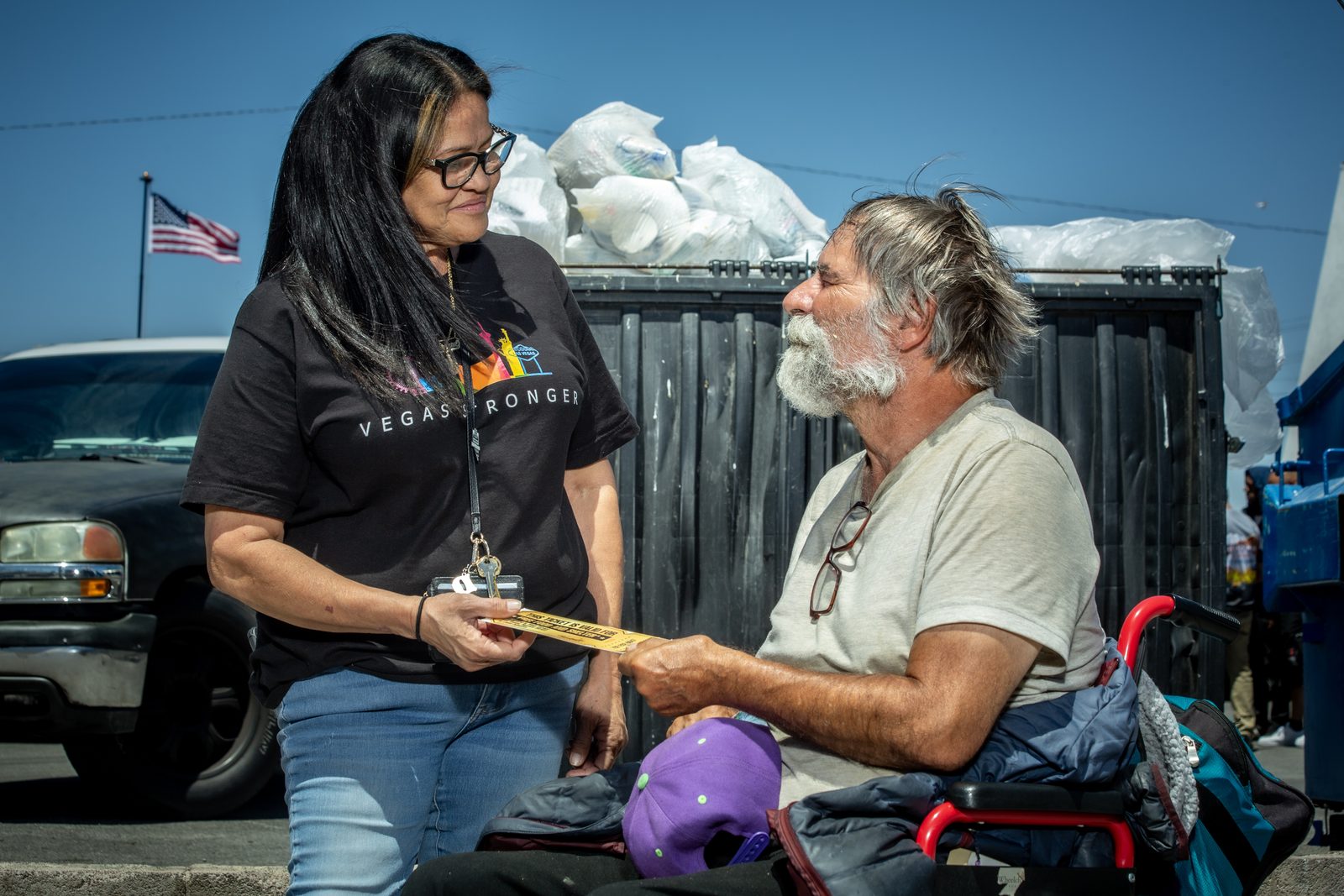
Vegas Stronger accepts Medicaid, Blue Cross Blue Shield, Aetna, Cigna, and UnitedHealthcare. Our case managers help people work through housing, benefits, and the paperwork that keeps them out of care. Our homelessness support and outreach work exists because we treat homelessness and addiction as problems that cannot be solved one at a time. If shift work is the problem, ask our team about how IOP and outpatient care can fit around your schedule.
We at Vegas Stronger are located at 916 N. Main Street in Las Vegas. Many people come to us after a short stretch of treatment that sent them straight back to the same street or the same apartment, where nothing about their life had changed. Our continuum moves people from PHP to IOP to outpatient care and aftercare, with MAT and case management alongside, so support does not stop the moment one level of care ends. As a nonprofit, our mission is comprehensive support that addresses addiction and homelessness together.
So What Are the Hardest Addictions to Quit? The Substance Is Only Half the Answer
If you rank substances by danger and grip, opioids, methamphetamine, and alcohol sit near the top, and nicotine belongs on the list for how many attempts it usually takes. But what may make any addiction hardest to quit is what the person is missing: medication when they need it, daily structure, trauma care, a stable place to sleep, and someone who notices when they slip.
Each substance is hard in its own way. Opioids carry high overdose risk, and the brain chemistry changes are strong enough that medication is often an important part of care for some people. Methamphetamine can leave people in a long, flat stretch where nothing feels good. Alcohol withdrawal can be medically dangerous on its own. Nicotine is hard in yet another way: the FDA notes that nicotine is the reason tobacco products are addictive, and the CDC explains that withdrawal and cravings are why quitting smoking often takes more than one try. Many people dealing with addiction are facing more than one of these at once, plus a co-occurring mental health condition.
That is why the Vegas Stronger intake assessment looks at the whole picture, including housing, insurance, transportation, and trauma, not just the substance. Treating addiction apart from the conditions that keep it going may not work. Someone with a treatment plan and no place to sleep tonight is going to struggle. Someone on MAT who has untreated PTSD is going to struggle. So our care brings together case management, trauma-informed therapy, medication management, and recovery support to address several barriers at once, though outcomes vary and some people still face setbacks.
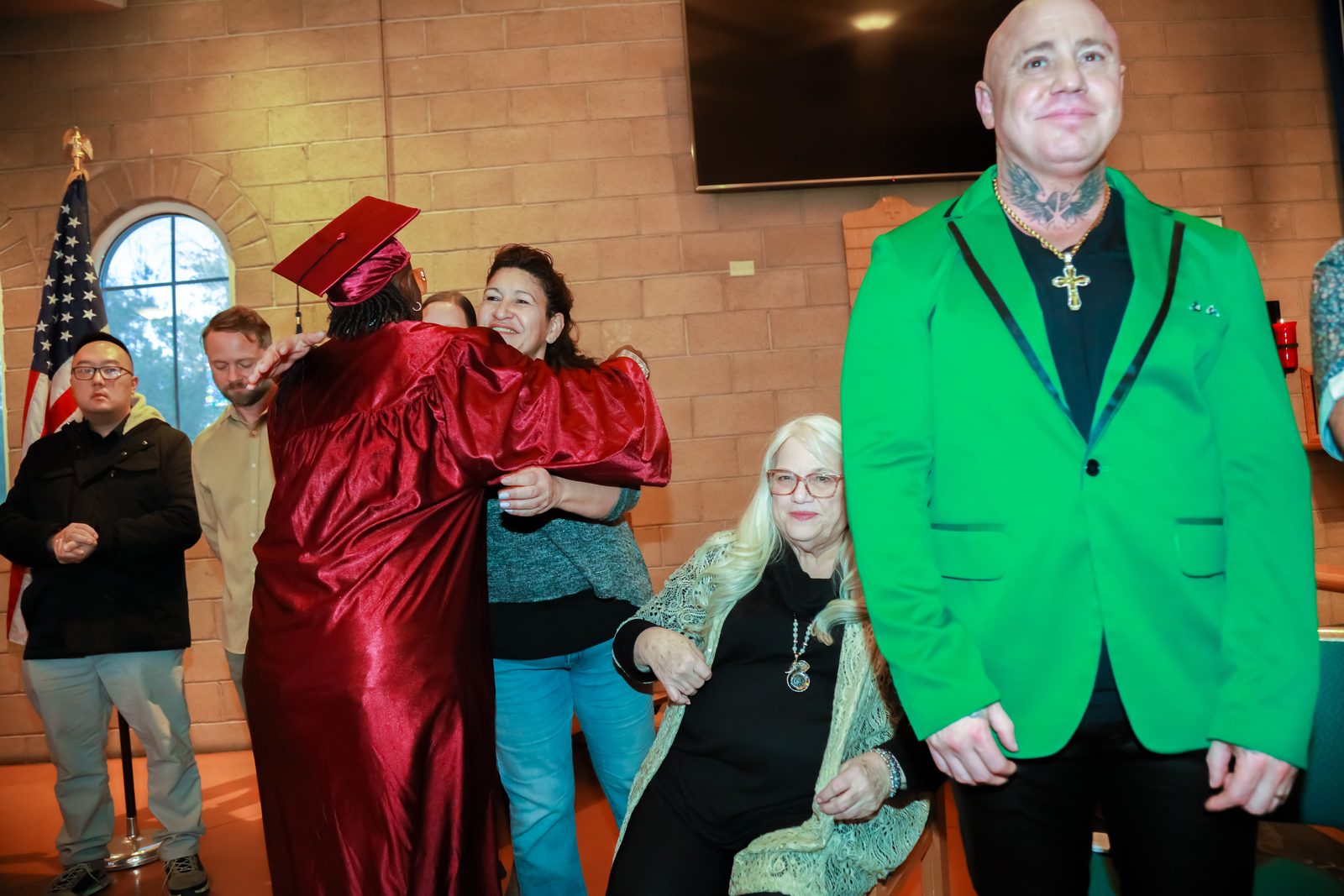
Recovery for most people is the long road of rebuilding a life, one piece at a time. At 30 days, very few people are a finished success story, but they can absolutely be a work in progress. Showing up, getting the medication they may need, getting housed, and staying connected: those are steps that may help someone manage a difficult condition.
Questions Las Vegas Families Ask Before They Call
What are the hardest addictions to quit?
Opioids, methamphetamine, and alcohol are among the hardest because they change brain chemistry for months, and nicotine is notoriously hard to quit as well. For any of them, a person’s experience may improve when they have medication where it fits, daily structure, and case management, not willpower alone, though every person’s journey is different.
Why do people relapse after detox?
Detox removes the substance, but it does not repair brain chemistry or deal with trauma, housing, or isolation. That is why stepping down from detox into PHP or IOP, with MAT when it fits, may be important for some people. Vegas Stronger does not provide detox on site but helps people move from a medical detox provider into our PHP.
Does medication-assisted treatment work for opioid addiction?
Research supports MAT with buprenorphine, methadone, or naltrexone as an evidence-based treatment for opioid use disorder. Some people who stay on medication and stay engaged in counseling may have a better chance of staying stable than people who try to quit without it, though every person’s experience is different.
How long does it take the brain to heal after methamphetamine use?
There is no single timeline. The brain’s reward system can take many months to recover for some people, and for some it takes longer than a year. That is why the early months may benefit from PHP or IOP structure and medication management for depression and anhedonia.
What does PHP mean in addiction treatment?
Partial hospitalization usually means most of the day in therapy, medical monitoring, and structured care, typically five days a week, while sleeping at home. It is for people stepping down from detox, or for people who may need more than weekly outpatient care.
Can someone in Las Vegas get treatment without insurance?
Vegas Stronger accepts Medicaid, and our case managers can help people work through benefits and enrollment questions. As a nonprofit, we focus on serving underserved and unhoused people who often struggle to find care anywhere else.
You Do Not Have to Figure Out the Whole Plan Tonight
Call Vegas Stronger today to talk about MAT, PHP, IOP, or case management that takes on the barriers keeping you or your loved one from recovery. Before you call, write down three things: what your loved one uses and how often, whether they have a valid ID and an insurance or Medicaid card, and where they are sleeping tonight. Those three answers help our Vegas Stronger team know where to start, and they turn a frightening, shapeless problem into a first step you can take today.
You Don’t Have to Figure This Out Alone
If you’re wondering whether what you’re facing is something you can handle on your own, that question itself often points to the answer. The addictions discussed here reshape how the brain prioritizes survival, which is why willpower alone rarely works. Vegas Stronger’s team understands the specific brain chemistry behind different substances and can help you find a path forward that actually addresses what’s happening beneath the surface.
This article is for education only and is not medical advice. Individual results vary and no treatment approach is guaranteed to work for every person. If someone is having a seizure, hallucinating during withdrawal, or not breathing normally, call 911 right away.